
- December 13 Pharmacy Week in Review (pharmacytimes.com)

Nicole Grassano, PTNN, Pharmacy Week in Review, this weekly video program provides our readers with an in-depth review of the latest news, product approvals, FDA rulings and more.
- Home Depot ties opioid crisis to recent surge in store theft (msn.com)

Home Depot Inc. executives said the nation’s opioid crisis could be contributing to an unexpected surge in thefts from its stores...The company said organized criminals are stealing millions of dollars’ worth of goods from it and other retailers and storing the merchandise in warehouses. The theft, which retailers call shrink, has gotten so bad that it will narrow Home Depot’s operating profit margins next year, executives said during a meeting with analysts and investors...“This is happening everywhere in retail,” Chief Executive Officer Craig Menear said. “We think this ties to the opioid crisis, but we’re not positive about that.”...READ MORE
- The State of Retail Pharmacy: Independent Pharmacy Economics Stabilize—But Dropping, Owner Salaries Are (drugchannels.net)

...I update our estimates of pharmacy economics and margins. Our analysis reveals that profits per prescription in 2018 were unchanged from the 2017 figures. However, the average pharmacy in the NCPA sample filled fewer prescriptions, causing the average pharmacy owner’s salary to decline for the fifth consecutive year...
- Overall independent pharmacy profit margins have stabilized.
- Independent pharmacies’ prescription profit margins also were stable.
- Independent pharmacies’ generic dispensing rates matched those of the overall market.
- The average pharmacist who owned a single pharmacy earned about $129,000 in 2018—down for the fifth consecutive year.
- By the NCPA's count, the total number of independent pharmacies continues to drop.
Retail pharmacies account for a majority of the pharmacy industry’s dispensed prescriptions but a decreasing share of the industry’s revenues...This means that most of them lack access to the specialty drugs that now make up one-third of the pharmacy industry’s revenues...READ MORE
- Hundreds of thousands of Nevadans will now be in network at major Las Vegas hospital (thenevadaindependent.com)
Two national health care industry behemoths have ended a yearslong standoff and reached an agreement that will bring a major Las Vegas hospital in network for hundreds of thousands of patients insured by some of Nevada’s largest health plans...Patients insured by Health Plan of Nevada, Sierra Health and Life and Sierra Health-Care Options — subsidiaries of insurance giant UnitedHealthcare — will be able to visit Sunrise Health System’s hospitals, urgent care centers, surgery centers and free-standing emergency rooms, part of the hospital giant HCA’s system, at in-network rates beginning Jan. 1...The lack of a contract between the two companies had left thousands of Nevadans insured under the plans vulnerable to out-of-network bills, particularly at Sunrise Hospital, which, as one of three trauma centers in Las Vegas, often receives patients in critical condition unable to make choices about which hospital they want to go to...READ MORE
- Industry ‘resistance’ to disruption by advanced therapeutics (biopharma-reporter.com)

Speaking at,,,the Pharma Integrates conference...Ettore Cucchetti, CEO of ACG Inspection, stated that the industry shows signs of ‘resistance’, which obstructs the resolution of challenges in the supply chain...“There is a fear among pharmaceutical companies facing the disruption that the advanced medicine have brought to the industry, and the changes required in the supply chain,”...According to Cucchetti, “Due to the existing profit model, leaders of big companies prefer to keep the focus on R&D and productivity,” and do not prioritize investment in the supply chain, even though “there is a lot of room for improvement.”...READ MORE
- PhRMA Statement on the United States-Mexico-Canada Agreement (phrma.org)United States-Mexico-Canada Agreement (usmca.com)

“The announcement made today puts politics over patients. Eliminating the biologics provision in the USMCA removes vital protections for innovators while doing nothing to help U.S. patients afford their medicines or access future treatments and cures. The only winners today are foreign governments who want to steal American intellectual property (IP) and free ride on America’s global leadership in biopharmaceutical research and development...“We cannot support abandoning provisions that protect American companies and raise standards abroad. We hope that Congress and the Administration will pursue international trade agreements that hold foreign governments accountable by ensuring that they protect and value the ongoing discovery of much-needed medicines to treat and potentially cure the world’s most devastating diseases.”...READ MORE
- Bayer reaches agreement to postpone more glyphosate lawsuits for settlement talks (reuters.com)

Germany’s Bayer has agreed with plaintiffs to postpone its next two U.S. lawsuits over the alleged cancer-causing effects of its glyphosate-based weed killers to allow more time for talks on a settlement...The company, which is facing 42,700 U.S. plaintiffs, is widely expected to eventually buy itself out of the litigation, with analysts currently estimating the size of a future settlement at $8-$12 billion...Bayer agreed with the plaintiff to delay for about six months a case in the California Superior Court for Lake County scheduled for Jan. 15, a company spokesman said in a written statement...READ MORE
- Opinion: Why you should worry about drug companies’ reliance on Chinese ingredients (latimes.com)2019 REPORT TO CONGRESS of the U.S.-CHINA ECONOMIC AND SECURITY REVIEW COMMISSION (uscc.gov)
China has become the world’s largest producer and exporter of “active pharmaceutical ingredients,”...China’s dominance puts both the health of Americans and our national security at risk...a new report from the U.S.-China Economic Security Review Commission...China’s pharmaceutical industry “is not effectively regulated by the Chinese government” and has been responsible for a number of drug safety scandals...Our dependence on Chinese pharmaceutical products, the commission concluded, means “the American public, including its armed forces, are at risk of exposure to contaminated and dangerous medicines.”...READ MORE
- Disruptor of the Year: The Federal Trade Commission (biopharmadive.com)
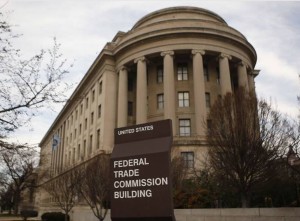
In 2018, $198 billion worth of acquisitions took place in the life sciences sector, which includes pharma and biotech, up by $20 billion over 2017 but well below big years between 2014 and 2016...The FTC's close scrutiny of potential antitrust violations in biopharma acquisitions seems to have cast a shadow over transactions large and small, from megamergers like Bristol-Myers Squibb-Celgene and AbbVie-Allergan to comparatively small plays like Alexion-Achillion and UCB-Ra...At its root is the regulators' concern that big pharma wants to hold onto overlapping projects to hedge against the risk of failure or market competition, which could have a detrimental effect if enough promising medicines don't get developed...READ MORE
- Has Physician Specialty Dispensing Peaked—And Should They Blame PBMs? Everyone wants to be a specialty pharmacy—but it’s getting harder to compete. (drugchannels.net)

Consider the boom in pharmacies operated by physician practices. The growth in oral and patient self-injectable specialty drugs has encouraged physicians to dispense these products from their offices and clinics. For example, almost half of all oncology practices now dispense specialty drugs to their patients...the share of oncology practices dispensing prescriptions has declined for the first time in at least six years. I suspect that we are at a turning point in the growth of physician practice dispensing...this development reflects how PBMs and their plan sponsor clients are managing specialty channels...PBMs offer financial carrots that entice plan sponsor to shift prescriptions into PBM-owned specialty pharmacies. This dynamic creates novel competitive conflicts between historically separate drug channel participants. Meanwhile, physicians are learning the perils of competing with vertically-integrated channel organizations...READ MORE