
- The new top 10 most expensive drugs on the planet (endpts.com)

Wholesale Acquisition Costs (List Price)
- Ravicti $793,632 – Horizon Pharma, glycerol phenylbutyrate, treatment for urea cycle disorders
- Brineura $702,000 – BioMarin, cerliponase alfa, treat of Neuronal Ceroid Lipofuscinosis Type 2 disease
- Lumizyme $626,400 – Sanofi – Genzyme, alglucosidase alfa, treat Pompe’s disease
- Carbaglu $585,408 – Recordati, carglumic acid, treats N-acetylglutamate synthase deficiency
- Actimmune $572,292 – Horizon, Interferon gamma 1-b, treats severe, malignant osteopetrosis and chronic granulomatous disease
- Soliris $542,640 – Alexion, eculizumab, treat paroxysmal nocturnal hemoglobinuria
- Alprolix $503,880 – Bioverativ, (Coagulation Factor IX [Recombinant], Fc Fusion Protein), treat hemophilia B
- Idelvion $500,000 – CSL Behring, albutrepenonacog alfa, treat hemophilia B
- Naglazyme $485,747 – Biomarin, galsulfase, treat mucopolysaccharidosis type VI
- Folotyn $450,540 – Spectrum Pharmaceuticals, pralatrexate, treat peripheral T-cell lymphoma
- Key lawmakers reject bulk of Sandoval’s proposed mental health cuts (rgj.com)

Key lawmakers building the state's next budget rejected more than half of the cuts Gov. Brian Sandoval proposed to mental health services in Northern Nevada...The sub-committee in charge of reviewing and altering Sandoval's mental health budget restored nearly $5.5 million when it "closed" the budget for Northern Nevada Adult Mental Health Services...Sandoval had proposed cutting $10.1 million from the mental health agency, arguing that demand for state services are dropping as more Nevadans obtain coverage through Medicaid that allows them to access private health care providers. Sandoval's budget includes increased funding for Medicaid...lawmakers weren't convinced that those with a mental illness are able to access adequate care in the private market, especially as Congress works to repeal the Affordable Care Act, which provides expanded Medicaid coverage...lawmakers refused to:
- Close the 10-bed rapid stabilization unit at the Dini-Townsend Psychiatric Hospital, restoring $3.7 million to the budget;
- Slash $1.2 million in funding to provide services to severely mentally ill patients who are "treatment resistant";
- Eliminate outpatient counseling services at NNAMHS, restoring $367,217 to the budget;
- Pharmacy Week in Review: April 28, 2017 (pharmacytimes.com)

Nicole Crisano, PTNN. This weekly video program provides our readers with an in-depth review of the latest news, product approvals, FDA rulings and more.
- In the debate over rising drug prices, both drugmakers and PBMs claim innocence (cnbc.com)
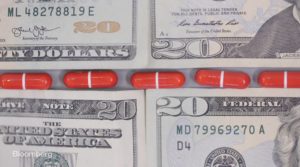
The battle over rising drug prices has become a full-blown he-said-she-said...Drug companies have pointed the finger at middlemen in the health-care system, saying they not only benefit from rising drug prices but contribute to their increases...Those middlemen — namely, pharmacy benefits managers (or PBMs) — have said the only parties responsible for drugs' list prices are the manufacturers...So who's right?...In a study released today, the PBM lobbying group, the Pharmaceutical Care Management Association, says an analysis it commissioned revealed no correlation between drug prices and rebates paid back to PBMs...The drug industry's lobby, the Pharmaceutical Research and Manufacturers of America...disagrees...
- Nevada Coalition Seeks Unprecedented Insulin Refund Law (ktvn.com)Nevada lawmaker strips refund provision from insulin bill (ktvn.com)
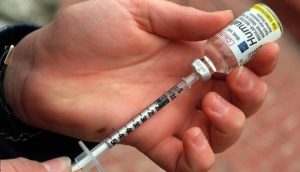
Aiming to rein in soaring prescription drug prices, an unlikely Nevada coalition is trying to force pharmaceutical companies to disclose how they set insulin prices - and issue refunds to diabetics or their insurance companies if annual price hikes surpass inflation...Las Vegas casino owners have banded together with their employees' unions of cooks, servers and other resort workers to support the unprecedented legislation in their effort to control their own medical insurance costs...The bill expected to face its first vote in early May would attempt to cap how much employers, insurers and corporate middle men pay for insulin...Lawmakers also hope the bill would cap what diabetics pay out of their own pockets near their current cost levels - typically between $50 and $600 per month, depending on diabetics' insurance coverage...It remains far from clear that the bill, if passed, would survive legal challenges or have the intended effect. But it would make Nevada the first U.S. state to force detailed release of drugmakers' proprietary information and effectively establish a price control on prescription drugs via the refund plan...
- This Week in Managed Care: April 28, 2017 (ajmc.com)
Laura Joszt, assistant managing editor at The American Journal of Managed Care. Welcome to This Week in Managed Care from the Managed Markets News Network
- Hiding Data And Other Criticisms Of Big Pharma (forbes.com)
If you have been a part of the biopharmaceutical industry, you’ve heard these criticisms hundreds of times:
- The industry hides negative data.
- Clinical studies paid for by pharma companies usually yield positive results.
- Doctors paid by pharma companies are beholden to them and will skew data in the company’s favor.
- Companies prefer "me-too" drug programs because they lack innovation.
Critics commonly use these arguments as they promote damning views of an industry that is supposed to be doing important and valued drug R&D... two recent publications in the New England Journal of Medicine show the fallacy of these claims...Despite the exciting early clinical results, Pfizer announced on November 1, 2016 that it was ending its bococizumab program... This was a devastating result...and undoubtedly cost close to a billion dollars. Unfortunately, it is not uncommon for a large clinical trial to fail...two extensive publications appeared in the NEJM comprehensively explaining the bococizumab study designs and results. So much for hiding negative data...Publishing negative studies like this was not all that common in the past, as many publications only focused on breakthrough research. As can be seen in this example, a lot can be learned from negative studies.
- China’s new foreign drug proposal: Pharmas excited, analysts cautious (fiercepharma.com)

China’s FDA proposed changes to its foreign drug registration regulation in mid-March, aiming at speeding up approvals. The changes have provoked anticipation for growth among Western drugmakers, particularly around two provisions having to do with drug trials…
- The CFDA would no longer require that a drug be tested through phase 1 elsewhere before being tested in humans in China, and
- ...foreign drugmakers can use data from international multicenter trials that have been conducted in China to directly file for marketing approval.
...the change would attract greater investment from drugmakers and dramatically reduce the time to introduce blockbuster treatments...the new regulation "allows the imported innovative drug to move forward more naturally in China and not be required to be tied to international[-only] processes…I think [the Chinese government] has removed some significant obstacles and at the same time wishes to retain flexibility...what is clear is China’s goal to take the lead in pharmaceutical innovation, to become a launch pad of new meds...it’s about a national pride that doesn’t want to forever be left out in a global innovation discourse..."There is less the need to protect domestic industry than to play a leading role,"…Western companies will remain an "ever-present competitive force," and gradually opening up that competition will force domestic firms to up their game, to stand on their own feet and not rely on subsidies, and gradually eliminate those who cannot keep up…
- Remedy for Threat to US Pharmaceutical Industry’s Profitability (forbes.com)

US pharmaceutical companies...are...very vulnerable to increasing political pressure from the Trump Administration. The good news is there are actions these companies can take…
- Pharma’s Vulnerability - Small number of US jobs vs. large US revenues...pharma companies’ largest market and largest profit pool is the US. But only a small percentage of the jobs it offers are in the US. The Trump Administration has already been vocal about returning jobs to the US...Pharmaceutical companies have taken full advantage of offshoring...The Administration can apply pricing pressure in the US, to get these companies to commit to move work back from offshore…
- What Can Pharmaceutical Companies Do In The Face Of This Pressure?...pharmaceutical firms will need to demonstrate substantial job growth in the US...this (is) possible without destroying their margins...Disruptive digital technologies and capabilities are now mature enough to allow them to migrate work from the traditional low-cost labor locations to the US into far more efficient, automated, digital processes.
- University Vending Machine Offers Morning-After Pill (drugs.com)
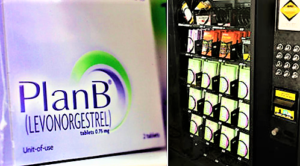
The morning-after pill is being sold in a vending machine at the University of California, Davis and many people support this type of availability...Along with condoms and pregnancy tests, the Wellness-To-Go Machine in a study lounge also dispenses the Plan B pill for $30 a box…It took economics major Parteek Singh nearly two years to get the vending machine into the lounge... Singh is getting calls from student across the country who want the same type of vending machine. "I want to see this on every college campus,"...