
- Cashing In on Opioid War: Alkermes and Its $1,300-a-Month Shot (bloomberg.com)

A decade-old drug that was once seen as a commercial flop is getting a second chance to thrive as the fight against the opioid abuse epidemic shifts toward medical treatment in the U.S...Alkermes Plc’s Vivitrol, a $1,300-a-month shot that helps kill the high from painkillers and heroin, is poised to get a sales boost after President Barack Obama’s recent push to give millions of Americans better access to addiction medicines through expanded Medicaid coverage and extra budget funding...Alkermes is getting support from governors, police chiefs and judges who helped start more than 100 programs offering Vivitrol with counseling across 30 states...Nobody steals Vivitrol. Nobody traffics it unless they want to get sober...Vivitrol’s sales revival 10 years after its introduction is unusual in the pharmaceutical industry...The active ingredient in Vivitrol, naltrexone, binds to the same receptors in the brain as opioids and blocks the pleasurable feelings associated with taking narcotics...Designing drugs for addicts comes with thorny challenges: How do you prevent addicts from becoming addicted to the addiction treatment, and how do you prevent them from selling it to other addicts?
- CRISPR Dispute Raises Bigger Patent Issues That We’re Not Talking About (realclearhealth.com)

The worlds of science, technology and patent law eagerly await the...government’s decision on who deserves patents on what many have referred to as the biotechnology invention of the century: the CRISPR/Cas9 gene-editing technique...Scientists hail CRISPR/Cas9 as more accurate and efficient than other, now-traditional genetic engineering methods...CRISPR has generated worldwide debate about how it could accelerate the manipulation of plants, animals and even human beings at the molecular level. That some DNA modifications can be passed on to future generations raises particular concern...But the patent dispute, focusing on whether scientists at the Broad Institute of MIT and Harvard or those at University of California, Berkeley invented the technology, seems far from these ethical concerns...the...Patent and Trademark Office, which will make a decision in the next few months...But amid all the breathless anticipation, we’ve been ignoring two important lessons from the CRISPR/Cas9 patent dispute: patent systems no longer fit the realities of how science works, and patents give their owners significant control over the fate and shape of technologies.
- Do we need patents to stimulate innovation?
- Power of patents, in absence of regulations
- CRISPR’s future use in one institution’s hands
- Engineers develop a pill for long-term drug release (news.mit.edu)
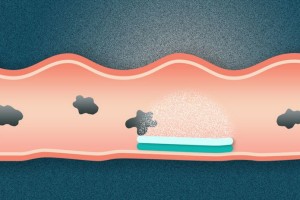
Researchers from MIT and Brigham and Women’s Hospital have designed a new type of pill that, once swallowed, can attach to the lining of the gastrointestinal tract and slowly release its contents. The tablet is engineered so that one side adheres to tissue, while the other repels food and liquids that would otherwise pull it away from the attachment site...Such extended-release pills could be used to reduce the dosage frequency of some drugs...The ability to precisely engineer the adhesiveness of a particle opens up possibilities of designing particles to selectively adhere to specific regions of the GI tract, which in turn can increase the local or systemic concentrations of a particular drug...In addition to delivering antibiotics, the two-sided material may help to simplify drug regimens for malaria or tuberculosis, among other diseases...The researchers may also further pursue the development of tablets with omniphobic coatings on both sides, which they believe could help patients who have trouble swallowing pills...Texturing the surfaces really opens up a new way of thinking about controlling and tuning how these drug formulations travel...
- Valeant CEO Pearson May Be Held in Contempt by Senate Panel (bloomberg.com)Valeant asks CEO Pearson to cooperate with U.S. Senate committee (reuters.com)
A Senate committee may start contempt proceedings against Michael Pearson, chief executive officer of Valeant Pharmaceuticals International Inc., for failing to appear to give testimony related to an investigation on drug pricing...Michael Pearson was under subpoena to appear for a deposition today related to the Senate Special Committee on Aging’s drug pricing investigation, and he did not comply with that subpoena...It is our intent to initiate contempt proceedings against Mr. Pearson...a lawyer representing Pearson said the executive will appear at the hearing but that the deposition subpoena was unfair in both timing and scope...Pearson shouldn’t be expected to give sworn testimony if the committee hasn’t been clear about what topics and documents he’ll be questioned about...Mr. Pearson looks forward to testifying publicly at the committee’s hearing on April 27, but has informed the company and the committee that he does not intend to also appear for private testimony in advance of the hearing...
- 9 Drugs That Cost Medicare a Fortune (fool.com)
...Medicare is in trouble...The program -- designed to protect our nation's senior citizens by covering some of the eligible costs tied to their hospitalization and outpatient care -- is on an unsustainable course...the Hospital Insurance Trust Fund stands just an estimated 14 years away from burning through its excess cash reserves...2030 would be the year Medicare's HI Trust exhausts its cash reserves...Once the cash reserves...are exhausted, hospitals would only be reimbursed at a rate commensurate to what the program brings in via payroll tax revenue...Medicare's prescription drug problem...prescription drug costs that Medicare Part B covers...include injections given on an outpatient basis by a physician...the real culprits the GAO report identified for rising Medicare Part B expenses are new Part B prescription drugs...between 2007 and 2013, new prescription drug introductions...83 in total, added $5.4 billion in costs to Part B...almost two-thirds of Part B new drug treatments are for ophthalmologic or cancer-based diseases...these are not inexpensive indications...Nine drugs wreaking havoc on Medicare's bottom line (total expenditures in 2013)...
- Lucentis: $1.37 billion
- Eylea: $1.09 billion
- Prolia: $665 million
- Treanda: $332 million
- Lexiscan: $257 million
- Yervoy: $224 million
- Privigen: $184 million
- Provenge: $183 million
- Soliris: $150 million
- Investor group launches campaign to curb antibiotic use in food (reuters.com)

Fifty four large investors managing 1 trillion pounds ($1.41 trillion) in assets have launched a campaign to curb the use of antibiotics in the meat and poultry used by ten large U.S. and British restaurant groups...McDonalds and JD Wetherspoon were among those to receive a...letter from institutions including Aviva Investors asking them to set a timeline to stop the use of medically important antibiotics in their supply chains...The other eight approached were Domino's Pizza Group, Brinker International, Darden Restaurants, Mitchells & Butlers, Restaurant Brands International, Restaurant Group, The Wendy's Company and Yum! Brands...The move follows warnings from the World Health Organization that the world is moving towards a post-antibiotic era in which many infections would no longer be treatable because of the overuse of antibiotics...Drug-resistant infections could cost the world about $100 trillion in lost output by 2050...
- Colorado lawmaker aims to outlaw pot-laced gummy bears (reuters.com)

A Colorado lawmaker (Dan Pabon) is trying to outlaw marijuana-laced gummy candies that resemble children's treats, the latest effort...to address the complexities and unintended consequences of pot legalization...In 2014 Colorado became the first state to allow the sale of marijuana for recreational use, and it has grown to be a billion dollar industry in the state...there are no distinguishing characteristics between the gummy bear that contains marijuana and one that does not...Numerous children in Colorado were hospitalized after becoming critically ill as a result of ingesting edible marijuana products after pot became legal...
- Medicare Plan on Payment for Cancer Drugs Stirs Battle (dddmag.com)

A Medicare proposal to test new ways of paying for chemotherapy and other drugs given in a doctor's office has sparked a furious battle, and cancer doctors are demanding that the Obama administration scrap the experiment...At issue are some of the most expensive drugs for treating life-changing diseases...Medicare now pays doctors and hospital outpatient clinics the average sales price of a drug, plus a 6 percent add-on, somewhat reduced by federal budget cuts. Naturally, 6 percent of a $15,000 drug is more than 6 percent of a $3,000 drug. But does that influence doctors' decisions, raising costs for the government as well as those on Medicare?... The new formula...combines a 2.5 percent add-on with a flat fee for each day the drug is administered...The experiment could become permanent policy if it lowers costs while maintaining quality...Specialist doctors, drugmakers and some patient advocacy groups are trying to compel Medicare to drop the plan. Primary care doctors, consumer groups representing older people, and some economic experts want the experiment to move ahead...Opponents say if that happens, cancer patients will be forced to go to outpatient hospital clinics instead of their local cancer doctor for the latest and most effective drugs. That's because smaller, doctor-owned clinics may no longer be able to afford the upfront costs of cutting-edge medications. In rural areas, patients may have to travel long distances to get to a hospital clinic...
- Drug price cuts in Japan sink in though details sparse (fiercepharmaasia.com)

Domestic and foreign drugmakers in Japan may cut spending on R&D as the scope of mandated price cuts for reimbursed products kicks in--suggesting that future investments are at stake...Pfizer and Eli Lilly have raised the issue as a combination of price reviews for pharmaceuticals hits in one of the top 5 reimbursement markets globally...Without stability and predictability in drug prices, investments will go elsewhere...cost cuts raise the risk of less investment in Japan...Reimbursement in Japan was a double-whammy this fiscal year that started April 1 for many drug firms, with price cuts for widely prescribed drugs by Japan's Central Social Insurance Medical Council, known as Chuikyo, reaching as much as 50 percent...Under the formula, drugs with annual Japan sales of more than ¥150 billion ($1.8 billion) and that see sharp sales gains can face cuts...On top of that, the every-other-year price-cut exercise by the government at the same time aims for savings of $1.5 billion. The exact revenue losses for companies won't likely be known until second-quarter results are released--although several companies flagged the issue in fourth-quarter earnings calls... Japan's Ministry of Finance has suggested the price cuts need to be every year as healthcare costs balloon along with a rapidly aging society that requires increasingly expensive care...
- Former Shkreli-led drug developer pledges responsible pricing (reuters.com)

A biotechnology company, previously led by controversial former drug executive Martin Shkreli, on Monday vowed not to engage in aggressive pricing and to develop a transparent and 'responsible' pricing model for its products...KaloBios Pharmaceuticals Inc, which fired chief executive Shkreli last December...is developing drugs to treat Chagas disease and cancer, said...that it intended to price its products at overall cost, plus a 'reasonable and transparent' profit margin, if and when they are ready for marketing...There exist no approved drugs for Chagas disease in the United States or Europe. However, benznidazole is cleared for use in Latin America, and is considered the standard-of-care treatment in the region...We are not conducting original research on benznidazole and therefore do not plan to incorporate an 'R&D premium' into the price...