
- Inventor Of Banned Drug Taken By Sharapova Insists It Protects Heart But Doesn’t Boost Performance (forbes.com)

Maria Sharapova has never met Ivars Kalvins, and it’s likely that she’s never even heard of the Latvian scientist, but the he has an offer for her…As pretty much the whole world knows by now, Sharapova announced last month that she had failed a drug test because she was found to have taken meldonium, which WADA, the World Anti-Doping Agency, banned...What isn’t as well known is that Kalvins invented meldonium, a heart drug…This is like insurance...explaining that the drug ensures that the heart gets enough oxygen, even when pushed to the limits of its capacity, as in elite-level sports...Athletes have to work very, very close to this border of the physical capacity of the human body...If they cross this border, there is no way back. Their hearts are damaged, their muscles are damaged, etc...He predicted that the WADA ban could lead to sudden deaths of athletes whose hearts aren’t able to get enough oxygen, resulting in permanent tissue damage...some scientists say that meldonium increases athletes’ endurance besides improving their recovery after exercise and protecting their hearts from stress…His (Kalvins) and WADA’s conflict over whether meldonium boosts athletic performance seems to rest on their different interpretations of "improves physical capacity." Kalvins says the drug doesn’t enable athletes to push themselves further, but it helps their hearts recover when they do so. WADA, on the other hand...determined that meldonium was being used by athletes with the intent of enhancing performance...
- Death with Dignity doctors thwart drugmaker’s price hike with new medication (seattletimes.com)
After a Canadian drugmaker doubled the price for the most commonly prescribed aid-in-dying drug, Washington Death-with-Dignity advocates created a cheaper new medication to help terminally ill patients who choose to end their lives under the law...They’ve come up with a new mix of medications that induces death for about $500...to ensure that cost doesn’t prevent terminally ill patients from making the choice they want under the state’s right-to-die law...The issue arose...when Valeant Pharmaceuticals...doubled the cost (secobarbital), from $1,500 to more than $3,000 — and up to $5,000...doctors in the state decided to seek an alternative to the high-priced drug...They turned to a compounding pharmacist...The result was a less-expensive mix of three medications: phenobarbital, chloral hydrate and morphine sulfate, all in powdered form to be mixed with water, alcohol, applesauce or juice...
- In Rare Turn, Competing Health Groups Agree on Drugs, Risk (morningconsult.com)
The strange dance between the pharmaceutical industry, insurers and the Obama administration has taken a new turn. When it comes to one of the wonkiest healthcare policies out there, all three seem close to agreement. They want prescription drugs to be included in determinations about whether a certain pools of patients are riskier than others...The determinations are important because insurers who take on riskier sets of patients are eligible to receive compensation under Obamacare. Right now, those determinations are made using just medical claims. Drug companies and insurers generally agree that prescription drugs should be included in the risk adjustment models. They currently are not... Improving risk adjustment by including data on whether beneficiaries are using certain classes of medicines could better compensate plans for taking on higher risk patients and so allow these plans to focus on helping patients manage their chronic conditions in a way that avoids costly complications...The goal is to create stability on exchanges regardless of the distribution of sick people. If it works, insurers, in theory, would be more willing to participate in the market and increase competition, which in turn could incentivize them to offer benefits that help less healthy people.
- US, Canada issue joint ransomware alert, discourage paying cyber attackers (healthcareitnews.com)

Warning comes on the heels of recent ransomware onslaughts on hospitals, businesses and private entities...United States Department of Homeland Security and the Canadian Cyber Incident Response Center issued a joint cyber alert...in response to the recent surge in ransomware attacks...The alert offered a breakdown and description of the ransomware variants for which healthcare and other organizations should be on the lookout...both government agencies strongly recommended that organizations and individuals not pay the ransoms demanded by cyber attackers...Paying the ransom doesn't guarantee the encrypted files will be released; it only guarantees the malicious actors receive the victim’s money and in some cases, their banking information...In addition, decrypting files doesn't mean the malware infection itself has been removed...Private security experts have predicted these types of cyber attacks will intensify in the near future, as hackers increase in experience and due to the outdated security measures in place at many organizations...
- Exclusive: Makers took big price increases on widely used U.S. drugs (reuters.com)
Major drug companies took hefty price increases in the U.S., in some cases more than doubling listed charges, for widely used medications over the past five years...Prices for four of the nation's top 10 drugs increased more than 100 percent since 2011...Six others went up more than 50 percent. Together, the price increases on drugs for arthritis, high cholesterol, asthma and other common problems added billions in costs for consumers, employers and government health programs...Routine price increases by bigger players may draw less attention, but they add up. Sales for the top 10 drugs went up 44 percent to $54 million in 2014, from 2011, even though prescriptions for the medications dropped 22 percent...At the top of the list was AbbVie Inc...which raised the price of...Humira (adalimumab) more than 126 percent...Amgen Inc and Teva Pharmaceutical Industries Ltd, which raised prices for arthritis treatment Enbrel (etanercept) and multiple sclerosis drug Copaxone (glatiramer) by 118 percent.
- Pharmacy Technology Integration Challenge (pharmacypodcast.com)
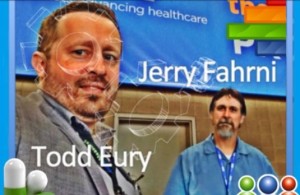
We interview Jerry Fahrni Pharmacy Infomatics consultant about his blog post from January 27, 2016 titled: "Integration no longer optional for pharmacy technology" (podcast 28:03 min)
- Drug Maker Reconsidering $20 Million North Carolina Factory (nytimes.com)
North Carolina's governor met...with gay-rights advocates bearing a letter signed by more than 100 corporate executives urging him to repeal the nation's first state law limiting the bathroom options for transgender people...Some companies are already reconsidering doing business in the country's ninth-largest state...Braeburn Pharmaceuticals said it is "reevaluating our options based on the recent, unjust legislation" whether to build a $20 million manufacturing and research facility in Durham County. The 50 new jobs paying an average of nearly $76,000 a year were announced two weeks ago....A silent majority of North Carolina businesses may well approve of North Carolina's new law...A company "is not going to say so publicly, since that could lead to angry demonstrators picketing or surrounding its headquarters or places of business...Corporations opposing the law may be expressing core corporate values, but they also need to be perceived favorably by customers, especially affluent gay ones, and to motivate highly educated, high-value employees who value diversity...
- Samsung brings in the lawyers for biosimilars push (reuters.com)Samsung Bioepis files lawsuit against AbbVie on Humira patents (koreaherald.com)

Samsung Bioepis Co Ltd, which aims to become a force in the fledgling biosimilar drugs industry, has filed a lawsuit against the originator of the world's best-selling drug, to stop it blocking the launch of its own version...Samsung Group...along with...Biogen, filed suit...against AbbVie Inc, maker of rheumatoid arthritis drug Humira (adalimumab), which generated sales of $14 billion last year...patent for Humira loses its exclusivity in the United States in December 2016...AbbVie...has been filing new patents in a bid to push back sales of biosimilars...more than a dozen firms have challenged AbbVie’s strategy through patent authorities or the courts...We believe that AbbVie has been attempting to obstruct market entry of competing products by applying for a large number of overlapping patents around Humira, which could affect patient access to affordable medication...
- Brand matters: Interbrand’s best in pharma ranks Pfizer, Roche and Merck at top (fiercepharmamarketing.com)

Global brand consultant Interbrand, author of the annual Best Global Brands list, has turned its attention to pharma. InterbrandHealth looked specifically at the pharma category and sifted through 25 companies to get the "Best Pharma Brands," a baseline top 10 in the industry.
- Pfizer - ranked highest at almost $20 billion ($19.99 billion) in brand value
- Roche Group - at $15.47 billion
- Merck & Co. - at $13.88 billion
- Janssen at $13.87 billion
- Novartis at $13.5 billion
- Amgen at $13.46 billion
- Gilead Sciences at $13.36 billion
- Novo Nordisk at $10.21 billion
- AstraZeneca at $8.12 billion
- GlaxoSmithKline at $6.78 billion
Interbrand looked at three factors in determining the dollar figure for the brands: financial analysis, brand strength and role of brand. The third factor measures brand influence and how likely customers are to recommend it--in this case, how likely are doctors and healthcare providers to recommend or prescribe the brand's drugs.
- U.K. industry lobby group to write pro-pharma features with newspaper that berates it (fiercepharma.com)

In one of the strangest tie-ups in recent memory, the U.K.'s pharma trade group the ABPI (Association of the British Pharmaceutical Industry) has signed a major editorial deal with The Guardian newspaper to write two dozen features on why the industry is so great and how criticism against it is unjustified...This is odd for a number of reasons, but predominately because The Guardian is a Left-leaning newspaper with a long history of an anti-corporate culture, much of which is in fact directed against the pharma industry...negative stories have irked the ABPI and its Big Pharma members, who pay a fee at the top range of around £750,000 ($1,067,000), and want more to be done to market the good things it does...The features...will be featured in the newspaper's online 'Partner's Zone'...The Guardian is increasingly turning to areas like the Partner's Zone to help it gain more advertising online as its print edition continues to struggle--and this comes in the same month that the U.K. daily newspaper The Independent announced that it will stop its print run entirely and move online to save costs--something reports suggest The Guardian may soon need to follow...