
- Letter: Easy to blame pharma firms, but insurance also implicated (rgj.com)
I read the letter you recently published regarding pharmaceutical costs ["Pharma costs leave cures out of reach for many," Voices, Dec. 11], and have to ask in response: Where is the accountability of insurance companies?...It’s easy to blame pharmaceutical companies, especially given the recent issues with one very bad actor from Turing Pharmaceuticals. But what about insurance companies deciding what drugs they will and won’t cover? The fact is that insurance companies play a role in this issue, and they need to be held accountable...my quality of life shouldn’t come down to my insurance company deciding what they will and won’t cover.
- The U.S. Pays a Lot More for Top Drugs Than Other Countries (bloomberg.com)
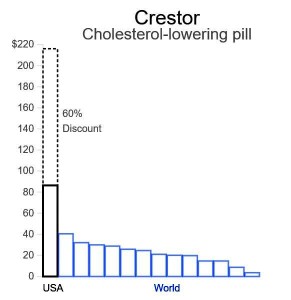
Prices for brand-name drugs are typically higher in the U.S. than other developed countries. The drug industry has argued it's misleading to focus on U.S. list prices that exclude discounts struck behind closed doors with insurers...A Bloomberg News analysis finds that even after these discounts, prices are higher in the U.S. than abroad. Seven of eight top-selling drugs examined still cost more in the U.S. than most other countries..."We can no longer sustain a system where 300 million Americans subsidize drug development for the entire world," said Steve Miller, chief medical officer for Express Scripts Holding Co...The drug industry sees it differently..."The entire health-care system in the United States is more expensive than other countries," said Robert Zirkelbach, a spokesman for the Pharmaceutical Research and Manufacturers of America trade group. "The difference in prices here in the U.S. compared to other countries is often vastly overstated," because comparisons don’t include all the discounts drugmakers give to various payers...In the U.S., list prices are just a little bit crazy, and even with discounts...
- The top 10 pharma companies in social media (fiercepharmamarketing.com)
Chatting with the public is not in pharma's comfort zone. Drugmakers are adept at the one-way communication known as direct-to-consumer advertising, and some of them deal well with the media. Some even know how to work with patient groups. Back-and-forth with doctors? Pharma's daily bread...But put your average, everyday drug company in the middle of a public conversation, and it freezes up. Worried it will say the wrong thing, sensitive to criticism, mindful of unintended consequences, drugmakers usually prefer to stand by the punch bowl and check their iPhones for messages...You could say pharma has social anxiety...Drugmakers' usual excuse for remaining social-media wallflowers is regulation, or lack of it. The FDA's guidance on the subject is piecemeal and tardy; the agency has slapped companies for overstepping bounds they didn't know existed.
- Drug Approvals and Priority Reviews Highlight Cancer Treatment News (specialtypharmacytimes.com)
- Atezolizumab/Nab-Paclitaxel Highly Effective in Breast Cancer
- Pembrolizumab Effective in ER-Positive Breast Cancer
- Neratinib 3-Year ExteNET Data Similar to Primary Analysis
- Buparlisib Modestly Effective in Breast Cancer
- Avelumab Effective in PD-L1-Positive Breast Cancer
- Adding Denosumab Improves DFS in Breast Cancer
- FDA Approves Alectinib for ALK-Positive NSCLC
- FDA Approves Cooling Cap to Prevent Hair Loss
- Priority Review Granted to Palbociclib Plus Fulvestrant
- FDA Approves Bendamustine Hydrochloride for CLL, NHL
- Priority Review to Crizotinib for ROS1 NSCLC
- FDA Approves Uridine Triacetate for Chemo Overdose
- Letter: Pharma costs leave cures out of reach for many (rgj.com)
Public programs such as Medicaid are a necessity – not only for low-income families but for all the public, which benefits from a healthier population...These programs need access to affordable prescription drugs to treat those suffering from diseases like hepatitis and HIV. Unfortunately, their services are threatened by recent price increases from pharmaceutical companies like Turing and Gilead...I worry that such prices for prescription drugs are driving up spending for critical public programs like Medicaid, Medicare, and Tricare at unsustainable rates. We need to be able to cure life-threatening diseases for the low-income, seniors and veterans. But at these prices, it’s simply not feasible. Clearly something needs to change...
- Drug costs soar as China tops world ranking in cancer (fiercepharmaasia.com)The Children of China's Cancer Slum: Drug Costs Putting Young Lives at Risk (bloomberg.com)

Jingjing at her home in Hefei /Bloomberg
As World Health Organization figures show China rising to the top of the list of countries with the most cancer cases, its people are facing increasing problems in trying to find ways to pay for their treatments. Healthcare costs are soaring in the nation despite the government's efforts to force drug prices lower...China spends $115 billion on pharmaceuticals annually, but stubbornly high prices mean some are having to make life-and-death decisions...China's cancer crisis takes an estimated 2.2 million lives each year...and the trials and tribulations of its people are exacerbated by the lack of insurance...cancer patients pay anywhere from 80% to 120% of U.S. prices for foreign medicines and also pay up to 77% of all private healthcare costs...China claims that it covers 95% of the healthcare coverage for its citizens, but costly foreign drugs for cancer treatments are often not covered. The country is undergoing a massive reorganization of its healthcare system that is expected to cost upward of $460 billion and is trying to cut drug costs and improve insurance coverage...China's efforts to slash spending on drugs is having a perverse effect on its public hospitals which rely on drug sales to add to their operating revenues.
- The continuing adventures of the “Wolf of Pharma Street”; Analysis: Shkreli Isn’t to Blame For High Drug Prices in U.S (nbcnews.com)
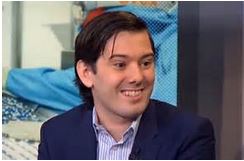
Martin Shkreli Says Drug-Price Hikes Led to Arrest
KaloBios Says Martin Shkreli Terminated as CEO
Fired by KaloBios, a chastened Martin Shkreli claims bad boy persona was just an 'experiment'
Martin Shkreli’s social media accounts hacked, posting vulgar messages days after his arrest
Martin Shkreli's co-defendant gets to go to Cancun on vacation
- Nevada ranks 38th in nation for overall health (rgj.com)
According to an annual report from the United Health Foundation, Nevada is ranked 38th in the U.S. when it comes to health...Nevada’s rank in 2014 was 39, so the state has improved over the past year. Here are some snapshots of how Nevada compares to national numbers for health-related topics:
- In Nevada, 17 percent of people smoke compared to the 18 percent national average.
- Drug deaths are significantly higher in Nevada, with 22.4 overdose deaths per 100,000 people compared to a 13.5 death average nationally.
- Nevada is average when it comes to the inactivity of adults. 22.5 percent of adults in Nevada are physically inactive compared with 22.6 nationally.
- Infant mortality is lower in Nevada, with 5.1 deaths per 1,000 live births compared to the 6 national average.
- In Nevada, 27.7 percent of adults are obese compared to the national average of 29.6. For diabetes, 9.6 percent of Nevadan adults have diabetes compared to 10 percent nationwide.
- For children’s vaccinations, 67.7 percent of children in Nevada are immunized compared to 71.6 nationally.
The top five healthiest states in the nation, according to the report, include Hawaii, Vermont, Massachusetts, Minnesota and New Hampshire
- New FDA policy gives its staff wide latitude on social media. Could pharma freedom follow? (fiercepharmamarketing.com)

Tweet at will, FDA employees. One of the most liberal social media policies in the federal government now belongs to the FDA. Just last month, the FDA finally set out its own departmental policy that encourages its scientists and other employees to use "social media technologies to enhance communication, collaboration, and information exchange in support of FDA's mission to protect and promote public health."...While many would argue that the guidelines for pharma and other medical regulated products on social media outlined so far by the FDA have had a chilling effect on the industry's social media use, especially Twitter, its own FDA employee guidelines should have quite the opposite effect...
- Risk Tool Helps Pharmacists Qualify Patients for Take-Home Naloxone (pharmacytimes.com)
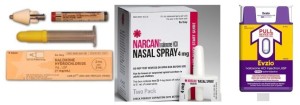
Alongside the growing prevalence of chronic pain and prescription opioid use, drug-related overdose continues to claim the lives of 17,000 Americans each year...Deaths from unintentional opioid overdose have increased 56% since 2010. In 2013, 83% of the opioid overdoses were unintentional...In 2010, there were approximately 136,000 emergency room visits related to opioid-induced respiratory depression and overdose. Needless to say, opioid overdoses are...drastically increasing health care costs...When naloxone is administered by first responders outside an institutional setting, it can improve outcomes for emergency opioid reversal prior to a patient reaching the emergency department. There are currently 2 FDA-approved naloxone formulations for take-home use: the auto-injector...and the new intranasal formulation...
- Who Should Receive Take-Home Naloxone?
- The Risk Index for Overdose or Serious Opioid-Induced Respiratory Depression (RIOSORD)
- Risk Factors Associated with OSORD (opioid-induced respiratory depression)
- How Can I Use RIOSORD in a Community Pharmacy?
- Risk Mitigation and Patient Education
- Conclusion
With the availability of naloxone for take-home use, no one should lament over the loss of a loved one because a life-saving medication was not easily accessible...We can’t agree that naloxone availability will end opioid overdose deaths, but it certainly is our professional responsibility to ensure that we’ve taken every step to reduce risks...Pharmacists, physicians, and student clinicians have an excellent opportunity to mitigate opioid overdose risks by employing the validated RIOSORD tool. RIOSORD can aid opioid prescribers in identifying at risk patients, and it can also help encourage a candid dialogue among pharmacists, patients, and caregivers to reduce patient harm.