
- The FDA needs to set standards for using artificial intelligence in drug development (statnews.com)

Artificial intelligence has become a crucial part of our technological infrastructure and the brain underlying many consumer devices....This progress has sparked the use of AI in drug discovery and development...Artificial intelligence can improve efficiency and outcomes in drug development across therapeutic areas...Misapplication of these technologies, however, can have unintended harmful consequences. To see how a good idea can turn bad, just look at what’s happened with social media...The FDA has already issued several proposals around the regulation of AI products, and it now has an opportunity to build on these efforts. The Center for Devices and Radiological Health has reviewed and cleared a number of devices that use AI. The center has also released a proposed framework, “Artificial Intelligence and Machine Learning in Software as a Medical Device.” These proposals, though, don’t necessarily apply to AI-based tools used as part of the drug development process. As a result, biopharmaceutical and technology companies aren’t sure how these tools fit into current regulatory frameworks..READ MORE
- CVS touts strong early performance of first HealthHUB stores (fiercehealthcare.com)
With eight months of data under their belts, CVS Health is seeing strong performance out of its early HealthHUB retail stores in the Houston area...CEO Larry Merlo said on the company's earnings call...that these concept stores, which dedicate more than 20% of retail space to health services, outperform control retail pharmacies in script volume, MinuteClinic visits, front store sales, foot traffic and store margin..."rapid rollout" of the HealthHUB stores is proceeding on track, he said, with the healthcare giant expanding into three additional metro areas by the end of this year. CVS plans to transform 1,500 of its stores into HealthHUBs by 2021...READ MORE
- China, U.S. to disclose details of rare cooperation against fentanyl drug scourge (reuters.com)

Drug law enforcement officers from China and the United States will jointly brief the media...on a fentanyl smuggling case, in an unusual disclosure of rare Sino-U.S. cooperation in cracking down on fentanyl crimes...China’s National Narcotics Control Commission and enforcement officers from both countries will give “detailed information” at a press conference in Xingtai city in northern Hebel province about a fentanyl smuggling case that was jointly uncovered by both sides, according to a notice circulated by the State Council Information Office...The sudden show of cooperation announced on Tuesday coincides with intense bilateral negotiations over a phase-one trade agreement which Trump said he hoped to sign with Xi...READ MORE
- CMS retains 340B, site-neutral payment cuts in final hospital payment rule (fiercehealthcare.com)CMS finalizes payment rules to spur greater use of innovative kidney drugs, home infusion (fiercehealthcare.com)

The Trump administration finalized a hospital payment rule...that retains proposed cuts to off-campus clinics and the 340B drug discount program...The changes outlined in the hospital Outpatient Prospective Payment System rule come despite both cuts being struck down in legal challenges and amid major pushback from providers...The goal is to bring payments to off-campus clinics in line with standalone physicians' offices...“With the completion of the two-year phase-in, the cost sharing will be reduced to $9, saving beneficiaries an average of $14 each time they visit an off-campus department for a clinic visit in [calendar year] 2020,” the Centers for Medicare & Medicaid Services said...CMS also finalized a proposed cut for the 340B program that cuts payments by 22.5% in 2020...READ MORE
- HHS sues Gilead for refusing to reach a licensing deal over patents for HIV prevention pills (statnews.com)
After more than a year of controversy, the federal government filed a lawsuit accusing Gilead Sciences of infringing patents on a pair of HIV prevention pills and unfairly reaping hundreds of millions of dollars from research funded by taxpayers...The patents are held by the Centers for Disease Control and Prevention, which helped fund academic research into HIV prevention that later formed the basis for a pair of pills — Truvada and Descovy — that are sold by the drug maker. The Department of Health and Human Services contended that Gilead refused to reach a licensing agreement despite “multiple attempts” at reaching a deal. “Gilead’s conduct was malicious, wanton, deliberate, consciously wrongful, flagrant, and in bad faith,” the suit states...READ MORE
- GOP, Dems agree on international reference price policy, but the devil is in the details (mmm-online.com)
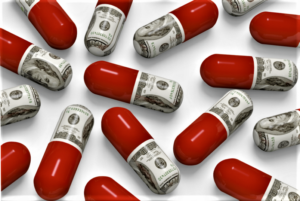
There is one drug-price policy that Republicans and Democrats can agree on: international reference pricing...Leaders from both parties have proposed the model, but with some differences...It’s an idea that works around the world. Nearly every member of the European Union uses some kind of international reference pricing model. Countries such as Australia, Brazil, Canada, Japan, New Zealand and South Africa also employ it to set prices for their government healthcare systems...a drug’s price would be based on the average cost in several countries. That price would then become the benchmark for U.S. prices...READ MORE
- Mexico’s drug gangs churning out deadly fentanyl-laced pills: DEA (reuters.com)

Mexican drug cartels are making “mass quantities” of fake prescription pills containing the synthetic opioid fentanyl with the intention of selling them to users throughout North America...Mexico’s cartels have for years diversified into a wide variety of illicit activity, helped by porous domestic law enforcement agencies as well as long-standing trafficking routes into the United States...READ MORE
- Generic Drug Pricing Trends (drugtopics.com)
According to the Association for Accessible Medicines 2019 report with data from IQVIA, generic drug savings totaled $293 billion in 2018, which resulted in a 10-year savings of almost $2 trillion. Other key findings include that 4 billion generic prescriptions were filled across the U.S. in 2018, which is 90% of all dispensed prescriptions. Additionally, 95% of generic prescriptions were filled at $20 or less with an average copay of $5.63 whereas the average brand copay is $40.65. In 2017, patients who were prescribed more expensive brand products were 2-3 times more likely to leave the pharmacy without their prescriptions...There were 68,353 pharmacy stores that provided cash prices for the study; results revealed that independent pharmacies and small chains had the highest cash prices for generic drugs, while big box pharmacies had the lowest prices compared with large chains...READ MORE
- FDA blames market failures for drug shortages (biopharmadive.com)Drug Shortages: Root Causes and Potential Solutions, A Report by the Drug Shortages Task Force 2019 (fda.gov)
An inter-agency U.S. task force looking into drug shortages found "a broken marketplace" and issued a set of recommendations that includes creating a rating system for manufacturers...Medicines that fall into shortage are often relatively inexpensive and can become unprofitable for manufacturers...Creating a manufacturer ratings system might be one way to incentivize higher prices... the rating system for manufacturers would address one key aspect of the broken marketplace...Manufacturers who have gone beyond basic requirements and have a "mature" quality management system are more likely to have reliable production, and purchasers who can identify these manufacturers through ratings may be willing to pay more for their drugs...The task force also advocated new approaches to contracts that might include financial incentives to make steady production of critical drugs worthwhile for drugmakers. Purchasers could pay higher prices for medications made at top-rated facilities or require a certain rating before entering a contract...READ MORE
- New capsule can orally deliver drugs that usually have to be injected (news.mit.edu)
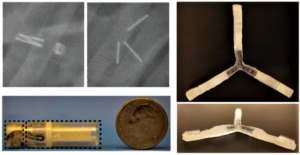
In hopes of coming up with an alternative to those injections, MIT engineers, working with scientists from Novo Nordisk, have designed a new drug capsule that can carry insulin or other protein drugs and protect them from the harsh environment of the gastrointestinal tract. When the capsule reaches the small intestine, it breaks down to reveal dissolvable microneedles that attach to the intestinal wall and release drug for uptake into the bloodstream...“We are really pleased with the latest results of the new oral delivery device our lab members have developed with our collaborators, and we look forward to hopefully seeing it help people with diabetes and others in the future,”...READ MORE