
- This Week in Managed Care: February 1, 2019 (ajmc.com)

Samantha DiGrande, PTNN, Pharmacy Week in Review, this weekly video program provides our readers with an in-depth review of the latest news, product approvals, FDA rulings and more.
- U.S. lawmakers request info from insulin makers on rising prices (reuters.com)
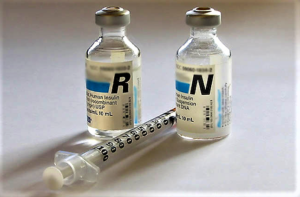
Two powerful U.S. lawmakers sent letters to the three leading insulin manufacturers...requesting information on why its cost has skyrocketed in recent years and how much the companies profit from the life-sustaining diabetes treatment...Democratic Representatives Frank Pallone and Diana DeGette, the chairman and a top-ranking member of the House Energy and Commerce Committee, respectively, wrote to the heads of Eli Lilly and Co, Novo Nordisk and Sanofi, the long-time leading manufacturers of insulin. The drugmakers have all raised the price of insulin at similar rates over the last several years...“Despite the fact that it has been available for decades, prices for insulin have skyrocketed in recent years, putting it out of reach for many patients,” the lawmakers wrote...
- Drug Prices Are NOT Skyrocketing—They’re Barely Growing at All (drugchannels.net)

The IQVIA Institute for Human Data Science today released a new report that reveals important realities about U.S. drug pricing trends...Too many politicians and journalists remain committed to the false narrative of “skyrocketing” and “soaring” drug prices...By contrast, IQVIA data reveal that list prices for brand-name drugs grew by less than 6% in 2018. What’s more, net prices (after rebates and discounts) increased by only 1.5%. The 2018 figures mark the fourth consecutive year that net drug prices have grown by low-single-digit amounts.
- Insulin has become so expensive that this diabetic is trying to make his own (cnbc.com)
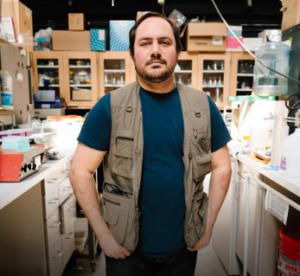
Anthony Di Franco
Insulin is a life-saving drug for diabetics. Since 2002, the price has more than tripled and some diabetics can’t afford it. People have died rationing their doses, and some are turning to other countries to buy it at a cheaper price...Now, there’s a team of biohackers called the Open Insulin Project in Oakland, California who are trying to make it...The project was co-founded by Anthony Di Franco. He’s a type 1 diabetic who is trying to prove there are easier, cheaper ways to make insulin rather than rely on the big manufacturers like Eli Lilly, Novo Nordisk and Sanofi.
- Exclusive: Facing crackdown in Canada, drugmakers offered billions in price cuts (reuters.com)

Canadian pharmaceutical industry lobby groups, in an effort to head off a planned crackdown on prescription drug prices, offered to give up C$8.6 billion ($6.6 billion) in revenue over 10 years, freeze prices or reduce the cost of treating rare diseases...Those industry offers did not impress federal officials, coming last year as Canada prepared to expand the powers of a little-known federal watchdog called the Patented Medicine Prices Review Board to reduce the cost of prescription drugs...The government proposals would change the countries Canada compares its prices to, dropping the United States where they are highest, and set a formula to assess cost-effectiveness of medicines...the new rules were scheduled to come into effect last month but have been delayed as the government reviews feedback, which has some wondering if they will ever be implemented...Unlike other countries with universal healthcare, Canada’s government-funded healthcare system does not cover prescription drugs. Most Canadians rely on an expensive patchwork of public and private insurance plans for that. Among industrialized nations, only the United States and Switzerland spend more on prescriptions per capita...
- February 1 Pharmacy Week in Review: Syphilis Increasing Among Pregnant Women, Pharmacies Offering Measles Vaccine in Outbreak Areas (pharmacytimes.com)

Nicole Grassano, PTNN, Pharmacy Week in Review, this weekly video program provides our readers with an in-depth review of the latest news, product approvals, FDA rulings and more.
- Skip the dentist’s office: Walgreens and CVS are offering ways to fix your teeth in their stores (cnbc.com)

This is another way CVS and Walgreens are adding health services to their stores to keep people coming in, with more and more dollars being spent online...SmileDirectClub has opened six locations inside CVS stores to fit people’s teeth for invisible aligners...Walgreens has opened an Aspen Dental office in one of its Florida stores in December...You can already get checked and treated for strep throat at many drugstores. You can now get your teeth cleaned and straightened at some...People are shopping more online. That’s a problem for drugstores, so Walgreens and CVS are getting creative...It all boils down to trying to diversify what they’re offering in the front of the store...
- FDA moving to ‘risk-based’ inspections even as valsartan scare adds new wrinkle to oversight (fiercepharma.com)
FDA inspections of generic drug plants are on the rise and should continue to increase through 2019...But the game has changed...with the number of pre-approval inspections growing more than surveillance inspections, in part to approve more generics in an effort to lower drug prices. This move to “risk-based” inspections...is expected to be more effective in a growing global manufacturing industry the FDA must oversee with limited resources...
- Opioid Lawsuits Are Headed to Trial. Here’s Why the Stakes Are Getting Uglier. (nytimes.com)

The judge presiding over all the federal cases had hoped to settle them by now. But the behemoth litigation is only becoming more bloated, contentious and difficult to resolve...Judge Dan Aaron Polster will preside over three consolidated lawsuits as a bellwether, or test case, in one of the most complicated legal battles in U.S. history...
Uncontested:The devastation from prescription opioids has been deadly and inordinately expensive
Contested: Who should foot the bill?
...litigation has ballooned to 1,548 federal court cases, brought on behalf of cities and counties, 77 tribes, hospitals, union benefit funds, infants with neonatal abstinence syndrome and others — in total, millions of people. With a potential payday amounting to tens of billions of dollars...
- Stunning evidence from D.E.A. records
- Going to trial is a win for plaintiffs
- The companies demand personal medical records
- Meanwhile, the plaintiffs pursue their own paper chase
- Drugstores could be held responsible for black-market fentanyl
- Why drug companies could have an upper hand
- But don't count out the plaintiffs
- But wait! There’s more! - Investors demand Walgreens explain how it’s managing opioid crisis risks (cnbc.com)

Walgreens Boots Alliance shareholders have instructed the company to explain how it’s monitoring and managing risks related to the opioid crisis, according to preliminary results announced...at Walgreens’ annual shareholders meeting...The measure requires Walgreens to prepare a report by June 30 detailing any changes the company has made to its corporate governance since 2012 in response to the opioid crisis. Investors want more specifics, including how Walgreens’ board oversees opioid-related programs and whether executive bonuses consider any opioid-related objectives like promoting ethical conduct...Walgreens’ board opposed the proposal, saying it already discloses how it’s handling the issue...Drugmakers, distributors and pharmacies have all come under scrutiny for their role in the crisis...Lax prescribing and monitoring of prescription painkillers is widely seen as fueling opioid addiction. Now these companies face lawsuits from thousands of state and local governments.