
- U.S. TV drug ads to carry information on prices (reuters.com)CMS Proposes Requiring WAC Prices to be Included in Pharma TV Ads (raps.org)
TV advertisements for drugs made by major U.S. companies will soon direct patients to information about the potential price of medicines, a pharmaceutical industry lobbying group (Pharmaceutical Research and Manufacturers of America) said...The move, which will help consumers find the list prices and out-of-pocket costs for drugs more easily, is aimed at increasing transparency and comes at a time of heightened political scrutiny into drug prices...all advertising that identifies a medicine by name should include direction relating to where one can find information about its cost, such as a company’s website...
- Hey, pharma: Data’s more than a ‘defense mechanism,’ ad executive says (fiercepharma.com)

...most pharma companies have begun to use data to make marketing decisions, one healthcare agency data veteran sees a recurring problem in the way that data is typically utilized...Pharma marketers too often only use data after the fact, said Kevin Troyanos...Saatchi & Saatchi Wellness. While post-campaign ROI analysis is important to find out what worked and what didn’t for the next effort, it can also lead to confirmation bias...That’s when data is used to validate the HiPPO—Highest Paid Person’s Opinion..True data-driven companies use information dynamically to inform decisions, identify what works and what doesn’t work and to make changes on the fly...Pharma typically puts a lot of research into one tactic, one channel or one creative and are almost locked in to it. What happens then is that teams are leveraging data in a defensive way, essentially using it to say that the decision they made was the right one and this is why,” he said. “Pharma needs to begin to use data as a driver, not as a defense mechanism.”...
- This Week in Managed Care: October 12, 2018 (ajmc.com)
Laura Joszt, Managing Editor at The American Journal of Managed Care. Welcome to This Week in Managed Care from the Managed Markets News Network
- CVS Health and Aetna $69 Billion Merger Is Approved With Conditions (nytimes.com)
The Justice Department’s approval of the $69 billion merger between CVS Health and Aetna...caps a wave of consolidation among giant health care players that could leave American consumers with less control over their medical care and prescription drugs...The approval marks the close of an era, during which powerful pharmacy benefit managers brokered drug prices among pharmaceutical companies, insurers and employers...The two companies say that they will be better able to coordinate care for consumers as the mergers help tighten cost controls...critics worry that consumers could end up with far fewer options and higher expenses...Just last month, the Justice Department also approved the takeover of Express Scripts, a major CVS rival, by the big insurer Cigna...This type of consolidation in a market already dominated by a few, powerful players presents the very real possibility of reduced competition that harms consumer choice and quality...Facing the prospect of competition from outsiders like Amazon, whose tentative forays into the pharmacy business have already shaken up the industry, established players have also been looking for ways to stay relevant to their customers and enlarge their share of the health care market...The companies “are feeling pressure to do something different or it will be done to them,”...
- EU places China’s Zhejiang Huahai under increased supervision (reuters.com)
European authorities are placing Zhejiang Huahai Pharmaceutical Co Ltd under higher supervision, the European Medicines Agency said...the latest crackdown on the Chinese firm after a probable carcinogen was found in its blood pressure drug valsartan...EU authorities will now supervise the manufacture of other active substances produced by Zhejiang Huahai more closely...European authorities said late last month they had found that Huahai did not comply with good manufacturing practices and that the company’s factory in Linhai, China, was no longer authorized to produce valsartan...European and North American regulators last month found a second toxin in Valsartan that may cause cancer in humans...low levels of a carcinogen have now also been found in irbesartan made by Aurobindo Pharma, with the supply in the EU...being suspended.
- USP Launches Impurities for Development Program (contractpharma.com)Impurities for Development (usp.org)

USP is launching a new program, Impurities for Development (IfD), to assist manufacturers in their drug development efforts and help them meet quality standards and regulatory requirements to control impurities that may be harmful to patients...Characterizing and controlling impurities in drugs under development can present significant challenges to manufacturers because they can occur for several reasons: arising naturally within the source materials, being added as part of a product’s synthesis, occurring inadvertently during processing and manufacturing, or forming during the shelf life of the product...The new IfD program aims to help pharmaceutical manufacturers with custom-designed services to identify, isolate, synthesize and characterize impurities in medicines under development, allowing manufacturers to focus on other development processes...
- October 10 Pharmacy Week in Review: Women Pharmacists Day Celebrated, HPV Vaccine Use Expanded (pharmacytimes.com)
Nicole Grassano, PTNN, Pharmacy Week in Review, this weekly video program provides our readers with an in-depth review of the latest news, product approvals, FDA rulings and more.
- Nearly 800 Dietary Supplements Tainted With Unapproved Ingredients Such As Viagra And Steroids (techtimes.com)
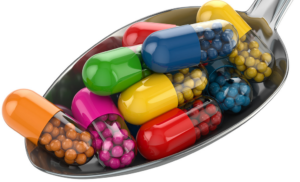
...researchers of a new study published in JAMA Network Open found that nearly 800 dietary supplements were found to be adulterated with unapproved drugs. Specifically, from 2007 to 2016, there were 776 dietary supplements identified to contain one or more hidden drug ingredients, implicating 146 dietary supplement companies...Most of the adulterated dietary supplements were marketed for sexual enhancement, weight loss, and muscle building. The most common hidden drug ingredient in sexual enhancement supplements is sildenafil, the active ingredient in Viagra, while the most common additive in weight loss supplements is banned weight-loss drug sibutramine, and synthetic steroid drugs for the muscle building supplements...experts are now urging the FDA to take urgent action to have these products removed from the market. Such products pose serious health risks, especially to users who are unaware that the supplements they are taking are actually adulterated with drugs...
- In public, lawmakers scold drug distributors. Come campaign season, they accept their cash willingly (statnews.com)

In the run-up to next month’s midterm elections, the country’s three largest distributors alone have given nearly $3 million to congressional campaigns. Key lawmakers from both parties — including many of the ones who publicly shamed the companies for their role in the crisis — have accepted the contributions eagerly...analysis of the current cycle’s campaign finance disclosures, two of the three largest distributors are on pace to exceed their campaign donations from 2016 — a notable increase, since campaign spending tends to stagnate in years without a presidential election...the largest contributions have gone to lawmakers who oversee investigations into those distributors or who play key roles in determining health care and drug policy...From drug companies to insurers, lawmakers routinely accept campaign contributions from the companies across the health care industry that they are tasked with regulating...Sen. Claire McCaskill, who has not accepted campaign cash from distributors, has spoken of the pharmaceutical industry’s ability to sprinkle cash “like fairy dust” around the Capitol — and to use their curried favor to stall legislation that isn’t industry-friendly...
- Price increases on top drugs drove majority of recent growth, analysis finds (biopharmadive.com)

Price increases accounted for roughly 60% of recent sales growth recorded in the U.S. for many of the pharmaceutical industry's top-selling drugs...Between 2014 and 2017, U.S. sales for 45 leading products increased by 28%, or about $23 billion. More than $14 billion of those newly won dollars stemmed from price increases during that span...the findings highlight just how reliant drugmakers have been on price hikes to drive growth. Without the boost from higher prices, eight of the drugs examined...would have posted revenue declines...While scrutiny on the industry has remained close since 2014, there are signs that government pressure could change the calculus for larger pharmaceutical firms...Growth is already a key question for many large-cap pharmas and biotechs, a number of which also face competition from biosimilar rivals to their top drugs in the coming years. Removing price increases from the equation could reveal just how precarious a position some companies are in...