
- July 13 Pharmacy Week in Review: Coffee Linked to Decrease in Mortality Risk, Nutritional Pilot Program (pharmacytimes.com)
Nicole Grassano, PTNN, Pharmacy Week in Review, this weekly video program provides our readers with an in-depth review of the latest news, product approvals, FDA rulings and more.
- Drugmakers try evasion, tougher negotiations to fight new U.S. insurer tactic (reuters.com)

In the escalating battle over U.S. prescription drug prices, major pharmaceutical companies are scrambling to limit the economic damage from a new U.S. insurer tactic that coaxes patients away from expensive drugs...The latest move by insurers - which effectively forces drug companies to pay more to assist patients with their copays - is causing a decline in real U.S. drug prices this year, and is expected to become more widely adopted...Drugmakers are working on ways to counter copay accumulator programs, fearing that more employer health plans will adopt them...They include new payment options to evade detection by the pharmacy benefits managers so that a patient still benefits from the financial aid...Larger drugmakers may have the financial flexibility to monitor how these accumulator programs affect revenue over time, while those reliant on a small number of drugs may not be able to wait it out...Drugmakers are also taking a tougher stance when negotiating prices or new discounts for payers, according to insurance industry executives and pharmaceutical consultants...
- This Week in Managed Care: July 6, 2018 (ajmc.com)
Laura Joszt, Managing Editor at The American Journal of Managed Care. Welcome to This Week in Managed Care from the Managed Markets News Network
- July 6 Pharmacy Week in Review: FDA Approves Drug Treatment for Schizophrenia, Device for Patients With Severe Emphysema (pharmacytimes.com)
Nicole Grassano, PTNN, Pharmacy Week in Review, this weekly video program provides our readers with an in-depth review of the latest news, product approvals, FDA rulings and more.
- Pfizer Caving to Trump Has Wall Street Asking Who’s Next (bloomberg.com)Sen. Wyden probes 'secret, sweetheart' deal between Pfizer, Trump (fiercepharma.com)

Pfizer’s decision to delay planned drug price hikes after President Trump attacked the company on Twitter may cause another shakeout throughout the health-care industry. Analysts at Goldman Sachs, Morgan Stanley and SunTrust expect other drugmakers will have to show more restraint on price increases, and say drug distributors may also find themselves under pressure. Height Capital Markets earlier cautioned about the risk to pharmacy-benefit managers, saying that Pfizer’s move ups the ante for the White House to propose policy changes on the use of rebates...“Drug stocks will not react favorably to this news, given the chilling effect this will likely have on others looking to take price increases. On the one hand, the price increases taken in July are only a small number of increases taken over the past year or several years, so the impact of the rollback to the healthcare system is insignificant in the big picture. However, the impact on the broader [dialogue] is much larger.”
- Trump administration halts billions in insurance payments under Obamacare (reuters.com)
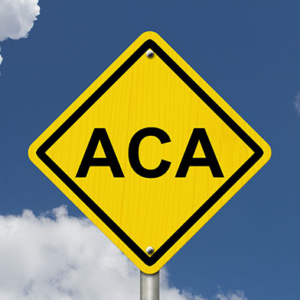
The Trump administration...halted billions of dollars in payments to health insurers under the Obamacare healthcare law, saying that a recent federal court ruling prevents the money from being disbursed...The Centers for Medicare and Medicaid Services, which administers programs under the Affordable Care Act, said the action affects $10.4 billion in risk adjustment payments...President Donald Trump’s administration has used its regulatory powers to undermine Obamacare after the Republican-controlled Congress last year failed to repeal and replace the law. About 20 million Americans have received health insurance coverage through the program...The payments are intended to help stabilize health insurance markets by compensating insurers that had sicker, more expensive enrollees in 2017. The government collects the money from health insurers with relatively healthy enrollees, who cost less to insure...
- British Doctors Lack Transparency Where Big Pharma Pays (bloomberg.com)

Half of British doctors who received payments from the pharmaceutical industry last year remained anonymous -- prompting a call for greater transparency from drugmaker AstraZeneca Plc...About 128 million pounds ($169 million) flowed to medical professionals or organizations in consulting fees, travel expenses, donations and other items, the Association of the British Pharmaceutical Industry said...Disclosing which doctors got them is tricky due to data-privacy laws...Gaps in reporting have drawn increased scrutiny across Europe. Countries such as France and Portugal have moved to shed more light on pharma companies’ financial ties to doctors, which have been shown to sway prescribing habits. Health-care advocates are pushing for a system like that in the U.S., where legislation requires companies to fully divulge the relationships with medical practitioners...Pharma groups say there’s no need for more regulation. Doctors provide crucial insights on new medicines, often while collaborating with companies on clinical research, and they should be paid for their time, according to the European Federation of Pharmaceutical Industries and Associations...“There are numerous inefficiencies in the way that America does health care, but there’s one thing which I think America historically and consistently is pretty good at -- that’s transparency,”...“Clear rules are the only things that change behavior.”
- What Does a Drug Cost? It Depends on Where You Live. (nytimes.com)Here are the Most, and Least, Expensive Cities for Prescription Medications (goodrx.com)

A new analysis finds the price of certain drugs varies widely depending on what city they are sold in...Thomas Goetz, the chief of research at GoodRx, said many factors are likely playing a role, like the prevalence in some areas of big-box stores like WalMart and Costco, which sell generic drugs at cheap prices...But that can’t entirely explain what’s going on. Much can still be chalked up to the “drug prices make no sense” theory, he said. Generic drug manufacturers often charge different prices for versions of the same drug, and pharmacies can then mark up the drug in a variety of ways...The study, which looked at 500 commonly used drugs in 30 American cities...differ significantly from coast to coast...
...average cash prices are at pharmacies in five major cities - Paroxetine - Generic for Paxil, used to treat depression
- Birmingham — $50.53
- Boston — $47.34
- Columbus — $20.87
- New York — $73.55
- San Francisco — $53.78
- EMA Recommends First CART-T Cell Therapies (biopharminternational.com)
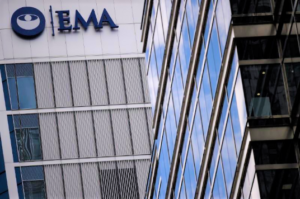
...the European Medicines Agency recommended Novartis’ Kymriah (tisagenlecleucel) and Kite Pharma’s Yescarta (axicabtagene ciloleucel), chimeric antigen receptor (CAR) T-cells therapies for blood cancer, for approval in the European Union...Kymriah and Yescarta are the first CAR T-cell treatments to be recommended by the agency. In August 2017, Kymriah became the first CAR-T therapy approved by FDA in the United States, with Yescarta becoming the second in October 2017...Both drugs are also the first treatments supported through EMA’s Priority Medicines scheme to receive positive opinions from the Committee for Medicinal Products for Human Use...
- Malaria eradication: tackling counterfeit and substandard drugs (pharmaceutical-technology.com)

Although malaria is beginning to be eradicated, it remains a global health issue and this is partially due to the existence of counterfeit and substandard drugs in the regions where malaria remains most prevalent: South East Asia and Africa...malaria still exists in many countries worldwide, and is an especially serious problem in Africa. Part of the explanation for the persistence of malaria in developing countries is the prevalence of substandard and counterfeit drugs being used to treat the disease...The WHO estimates one in ten medical products circulating in low and middle-income countries are substandard or falsified, with antibiotics and antimalarials being the most commonly reported...Taking low-quality or fake medicines can delay clinical recovery and increase mortality rates in patients. They can also promote resistance to the drug by introducing small, insufficient proportions of the active ingredients into the body...The GSMS (Global Surveillance and Monitory System ) published data from its first four years of operations in June 2017. 920 suspected products have been reported from 83 countries, and the most common were fake antimalarials, with 286 products reported from 26 countries.