
- Swiss drugmaker Novartis faces bribery allegations in China (globaltimes.cn)

A foreign pharmaceutical company has become entangled in bribery allegations in China, in spite of efforts in fighting rampant commercial corruption in the medical sector...An employee at Swiss multinational pharmaceutical company Novartis International AG's affiliate in China (Beijing Novartis Pharma Co., Ltd) accused the drugmaker of money laundering via funding fake academic activities…To promote the company's new drugs such as benazepril and DIOVAN tablets, the company held fake academic activities and paid clinical doctors kickbacks…Novartis...agreed to pay $25 million in 2016 to settle charges that it violated the US Foreign Corrupt Practices Act when its China-based subsidiaries engaged in pay-to-prescribe schemes to increase sales...Novartis said...that the company has launched an investigation into the claim, and promised to take serious measures against any practices that violate rules and regulations...
- Study Estimates Nonoptimized Medications Cost the U.S. $528.4 Billion Annually (ptcommunity.com)

Researchers propose that pharmacists can help improve medication-related care and lower costs...the actual cost of prescription medications is more than just the dollars and cents on the bill, according to a recent study. Researchers...estimate that illness and death resulting from nonoptimized medication therapy costs $528.4 billion annually...when you’re sick, a health care professional prescribes you a medication, you take it as directed, and you get better...But what happens a lot of the time is the medication regimen is not optimized...the prescription may not be exactly appropriate for your indication—not quite the right medication or dose—or you just don’t take the medication for whatever reason, don’t take them as directed, or the medication causes an adverse event or a new health problem...the current cost of each possible consequence...illnesses and deaths that result from nonoptimized medication therapy to be $528.4 billion...Nonoptimized medication therapy is a massive avoidable cost. If medications were prescribed, monitored, and taken properly, we wouldn’t face this cost, and patients would be healthier...To improve medication-related care...authors...would like to see a systematic and coordinated effort to break down prescriber–pharmacist silos and expand comprehensive medication management programs, in which clinical pharmacists have access to complete medical records, improved dialogue with other members of a patient’s health care team, and input as a medication is prescribed—similar to what is now taking place at many U.S. Veterans Affairs clinics.
- Come for your drugs, leave with more shopping: Walmart’s new growth strategy? (reuters.com)
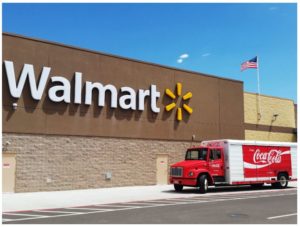
Walmart Inc’s efforts to develop closer ties with health insurer Humana Inc, which came to light...point to a brave new world of retail where superstores become healthcare centers offering basic medical care...They are also aimed at boosting Walmart’s slowing growth in brick-and-mortar store sales as it faces increasing pressure online from Amazon.com Inc. Deepening its existing partnership with Humana, or even acquiring the company outright, could be a step toward turning its 4,700 or so U.S. stores into healthcare centers that aim to attract more shoppers over 65...The end goal here is to get more people in their stores, get them to buy drugs and make an additional purchase while they are in the store...If Walmart can offer “competitive rates” on primary care and other health services...it “can grow traffic and push store visits.”...“It allows them to get ahead of everybody from warehouse club operators like Costco, Target and other retailers who run chain drugstores as well as food and drug combo operators like Kroger and Wegmans.”...
- Legislation looks to limit length of opioid prescriptions (biopharmadive.com)
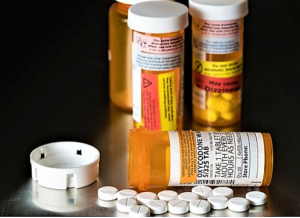
Senate Health Committee Chairman Lamar Alexander...is offering drafts of two pieces of legislation aimed at addressing the opioid crisis...One measure would attempt to limit overprescribing by allowing the Food and Drug Administration to require drug manufacturers to package certain opioids in blister packs, which would allow for a set dose, such as a seven-day supply...Rather than restrict the number of days on opioid prescriptions, James Madara, CEO of the American Medical Association, wrote a letter...suggesting further research "that specifically identifies best practices in settings ranging from surgical to the emergency department."...Alexander's other proposal involves improved coordination between the FDA and Customs Border Protection. The bill would look to improve the ability to find and seize illegal drugs, such as fentanyl, at the border. It would seek to ensure the two agencies have the technology, facilities and staffing needed...
- ‘Penny-a-pill’ funding fades under pressure from pharmaceutical industry (mprnews.org)

When supporters rolled out what they called "penny-a-pill" legislation last month, they described it as a bipartisan effort to raise needed money to combat the opioid overdose epidemic ...But the legislation faces an uncertain future after strong opposition from pharmaceutical companies and some business interests...The legislation...would charge pharmaceutical companies a fee for every opioid painkiller they sell. That would raise an estimated $20 million in continued funding for abuse prevention efforts, wider access to the overdose medication naloxone and more resources for treatment...the House version of the bill no longer includes the fee on manufacturers. Instead, money for the programs would come out of the state general fund, which would be one-time funding.
- Insurers will study blockchain to fix their provider lists (cnbc.com)

As a patient, finding a doctor in-network on your health plan can make a big difference when it comes to out of pocket costs. For insurers and the doctors they contract with, finding a better way to keep provider lists up to date, could make a big difference when it comes to administrative costs...The administrative costs of updating and tracking down that information are estimated to be more than $2 billion dollars a year for the health-care industry...in 2016 federal health officials found that nearly half of provider listings for Medicare Advantage plans were inaccurate, with incorrect provider addresses and phone numbers...Now, UnitedHealth Group and its Medicare rival Humana are launching a pilot program together to study whether blockchain technology, with its system of decentralized ledgers, can help fix the problem...Regulators at...the Centers for Medicare and Medicaid Services, may start fining Medicare insurers up to $25,000 a day for inaccurate provider lists, so it's a problem the industry is anxious to resolve for their doctors, their patients and their bottom lines...
- This Week in Managed Care: March 30, 2018 (ajmc.com)
Laura Joszt, Managing Editor at The American Journal of Managed Care. Welcome to This Week in Managed Care from the Managed Markets News Network
- Ohio regulator orders insurers, benefit managers to give lowest drug price (reuters.com)
The Ohio Department of Insurance said...that pharmacy benefit managers and insurers would have to disclose the lowest price for a prescription drug for Ohio consumers, part of a move to prevent insured consumers potentially paying more than those without insurance...Two of the largest pharmacy benefit managers, Express Scripts Holding Co. and CVS Health Inc said their contracts include clauses by which members receive the lowest cost automatically...The agency said it would ban the practice in which some insurers and pharmacy benefit managers use contractual provisions to prevent pharmacists from discussing with consumers if low-cost options are available for prescriptions, effective immediately...It would also prohibit them from charging customers a higher amount for prescription drugs than what it would otherwise cost without insurance coverage
- Drug Supply Chain Security: OIG Finds Pharmacies Received Most Tracing Information (raps.org)

A new report from the Department of Health and Human Services’ Office of Inspector General found that among a sample of 40 pharmacies, all received at least some of the required drug product tracing information from their supply chain partners, though many said they are not reviewing the information...Under the Drug Supply Chain Security Act, dispensers, including independent, chain and hospital pharmacies, are required to receive complete tracing information before accepting ownership of a drug shipped from a manufacturer or wholesaler...“Although dispensers are generally implementing the requirements for drug product tracing, missing information and a lack of awareness of DSCSA requirements raise concerns that a complete tracing record for a drug product may not always be available to support investigations of suspect and illegitimate drug products in the supply chain,” OIG said...OIG recommends (and FDA concurred) that FDA offer educational outreach to dispensers of drugs to ensure they understand their responsibilities in receiving complete tracing information from supply chain partners before accepting ownership of such pharmaceuticals...
- Pharmacy Week in Review: March 30, 2018 (pharmacytimes.com)
Nicole Crisano, PTNN. This weekly video program provides our readers with an in-depth review of the latest news, product approvals, FDA rulings and more.