- New Big Data Approach Predicts Drug Toxicity in Humans (weill.cornell.edu)

Researchers can now predict the odds of experimental drugs succeeding in clinical trials, thanks to a new data-driven approach developed by Weill Cornell Medicine scientists. The method detects toxic side effects that may disqualify drugs from human use, giving drug developers an early warning before initiating clinical trials, according to a new study...The approach upends conventional wisdom about the criteria on which to evaluate new drugs for their safety. Rather than exclusively examining molecular structure to determine viability, this new computational method combines a host of structural features and features related to how the drug binds to molecules in the body...We looked more broadly at drug molecule features that drug developers thought were unimportant in predicting drug safety in the past. Then we let the data speak for itself…The method, known as PrOCTOR, was inspired by an approach that baseball statisticians adopted to better predict which players would be successful offensively...a strategy known as "Moneyball."...Similarly, researchers developed a computational method that analyzes data from 48 different features of a drug — from molecular weight to details about its target — to determine whether it would be safe for clinical use...this approach could improve the drug discovery pipeline, save money and save lives — but only if more data on toxicity results become available. After all, only 50 percent of clinical trial results are fully reported...if we don't have data, we can't build these models...
- EpiPen, Channel Economics, and the Great PBM Rebate Debate (drugchannels.net)
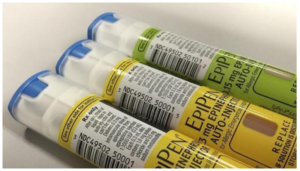
For better or worse, Mylan’s EpiPen controversy has started an intriguing dialogue about my favorite subject: the economics of U.S. drug channels. Many news stories have tried to explain how a prescription drug’s list price differs from the ultimate net price paid by insurers and the government. A few brave souls have even dug into the role of such intermediaries as pharmacy benefit managers, wholesalers, and pharmacies...I highlight aspects of the EpiPen story that raise crucial questions about our healthcare system, including: Who benefits from big gross-to-net spreads in drug prices? How do benefit design and payer decisions alter channel economics? Are patients benefiting from manufacturer’s rebates to PBMs? How (if at all) should manufacturers alter their pricing strategies?...And I wonder: Will we look back on the EpiPen incident as the beginning of the end for manufacturers’ gross-to-net drug pricing models and PBMs’ traditional role in the flow of rebates?...
- Big Pharma Spends Millions to Keep Prices High for California Agencies (thestreet.com)

California's attempt to curb drug prices, Proposition 61, could cause drug companies including Merck, Pfizer and Johnson & Johnson to raise prices, according to analysts, and the companies are already taken steps to block the bill's passage…According to analyst David Larsen...the major drug companies could choose to extend the prices they offer to the Department of Veterans Affairs to the state, while offsetting the discounts by raising the prices of other drugs...drug companies could risk a domino effect of having to discount other states...manufacturers could raise the prices they offer to the VA, which was threatened in 1992 when Congress considered doing something similar on a federal level...While drug companies stand to benefit politically from opposing this bill, they likely won't see an impact on their bottom lines if Proposition 61 passes - at least at first...Prop 61 addresses such a narrow portion of the California population - state agencies and non MCO Medi-Cal, the revenue and earnings exposure for the distributors and PBMs is minimal...likely that California's legislature will realize that companies can raise prices elsewhere, and will ultimately repeal the ballot measure.
- Halloween Already? Big Pharma Marketers Try Terror Tactics to Scare Up Sales (adage.com)

Grandma as a menacing wolf. Parents whose carelessness leads to cancer in their kids. A teenager hospitalized after sharing a seemingly innocent kiss. Halloween may still be over a month away, but Big Pharma is already out to scare consumers...In recent months, several fear-instilling, often ominous commercials for medical devices, products and vaccines from drugmakers including Pfizer, GlaxoSmithKline and Mylan are airing in fairly heavy rotation…If you increase an individual's feeling that they're susceptible to a threat, and increase the perceived severity of that threat, people are more likely to take action...a trend with companies, especially ones with injectable drugs and vaccines, which also have big price increases, is to scare people into buying their product or getting their vaccine...Fear can be motivating until it's demotivating...There's a threshold at which we turn off and say, 'That's not me, that's someone else—my brain can't handle this level of risk and information.'...
- Lawmakers ask HHS to probe the Medicaid drug rebate program (statnews.com)
In the wake of the controversy over EpiPen pricing, a group of lawmakers is demanding a probe into the Medicaid Drug Rebate Program, which requires drug makers to pay rebates in exchange for having their products covered...In a letter sent...to the Inspector General at the US Department of Health and Human Services, 15 House Republicans want to know the extent to which the Centers for Medicare and Medicaid Services is properly overseeing the program and how medicines are classified. The probe should include, "but not be limited to" EpiPen...Their interest was sparked by concerns that Mylan Pharmaceuticals...may not have paid all of the rebates to which Medicaid is entitled. This is an issue for taxpayers because the states and the federal government use the rebates from drug makers to offset the cost of covering medicines...The drug maker has denied shortchanging Medicaid, but the situation remains unclear...To what extent the EpiPen episode is an isolated incident is uncertain, but the lawmakers are not the only ones who are concerned that other companies owe rebates to Medicaid...
- The pluses and minuses of drugmakers’ discount cards (hosted.ap.org)
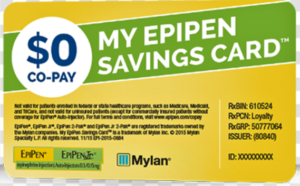
Facing public furor for the price of its emergency allergy shot EpiPen, Mylan Pharmaceuticals quickly pointed to a familiar industry solution: copay discount cards...Copay coupons or cards have become a ubiquitous part of the pharmaceutical business, offered through websites, mobile apps and doctor's offices. Patient advocates say they can bring down out-of-pocket expenses for patients who face high copays and deductibles...But they also have a clear business purpose: steering people toward brand-name drugs when cheaper options are often available. Researchers say those higher costs ultimately drive up expenses for insurers, employers and the health system at large...A look at the pros and cons of copay discount cards:
- PRO: LOWER OUT-OF-POCKET COSTS
- CON: HIGHER-PRICED DRUGS
- PRO: PRESCRIPTIONS FILLED
- CON: SHORT-TERM SOLUTION
- ‘Extraordinary’ generics price hikes hit Medicare Part D amid big reduction overall (fiercepharma.com)
Generic drug prices in Medicare Part D decreased significantly in recent years, a new report from the U.S. Government Accountability Office says. So why the worry about price hikes? Hundreds of products saw “extraordinary price increases," that's why...For a group of 2,378 generic drugs--including those that entered or exited the market from 2010 to 2015--Medicare Part D prices fell overall by 59%...But “established generics"--the 1,441 drugs that stayed on the market the entire time--fell by just 22%. More than 300 cases of “extraordinary price increases” kept prices from falling further...Those extraordinary hikes amounted to at least 100%…The Generic Pharmaceutical Association is praising the newest GAO report. “At a time when everyone is looking for cost saving solutions, it is important to note that the GAO findings are consistent with the prevailing market trend--generic drug prices overall continue to decline year over year,”…
- Mylan Agrees to Hand Over EpiPen Documents to Congress (fortune.com)
Mylan has been in the hot seat since reports of its extravagant price hikes for the EpiPen, a device which millions of Americans, including 1 in 13 children, rely on as a life-saving backstop, emerged last month...Now, the company has agreed to hand over documents to indignant lawmakers seeking to probe its pricing practices...Several members of Congress have been demanding more information from the generic drug giant about its pricing practices since the EpiPen scandal broke. Some, including Minnesota Sen. Amy Klobuchar, have even called for Federal Trade Commission investigations into the company...The U.S. House Committee on Oversight and Government Reform specifically asked for more detailed information about Mylan’s pricing habits, including discounts given to patients, at the end of August...That information is expected to reach lawmakers by the end of the week...
- UN panel urges wider access to medicines, but pharma slams the report (statnews.com)

United Nations...released a lengthy report that urges governments to take various steps to ensure greater access to needed medicines. And the list contains several proposals that have previously caused struggles with the pharmaceutical industry, suggesting the agency effort may be difficult to actually implement...Among the recommendations: the UN panel suggested countries should pursue compulsory licenses, which allow countries to sidestep patents and arrange for an alternative version of a medicine to become available...governments have shied away from pursuing licenses over concerns about repercussions…Consumer and patient advocacy groups largely praised the UN report. Doctors Without Borders...called it a "landmark report." But some complained that the panel did not go far enough in some ways...the UN should have "condemned trade agreements and national laws" that do not make clear that countries have the right to issue a compulsory license...The panel also said countries should require drug makers to disclose certain costs — such as R&D, production, and marketing…Another recommendation is for companies that receive public funds to publish their research findings...drug makers should make publicly available all anonymous patient data from completed and discontinued clinical trials...recommended data sharing and data access should be a condition for public grants for R&D.
- Google, Sanofi launch joint diabetes venture (healthcareitnews.com)

The partners will develop a comprehensive diabetes platform and combine software, devices, medicine and professional care to improve diabetes management for patients...Verily Life Sciences, a subsidiary of Google’s parent company, Alphabet and Sanofi, a French multinational pharmaceutical company launched Onduo - a joint venture to improve diabetes care...The collaboration will leverage Verily’s miniaturized electronics, analytics and consumer software with Sanofi’s clinical expertise to create innovative treatments for diabetes patients…Onduo is designed to...help people with diabetes live full, healthy lives by developing comprehensive solutions that combine devices, software, medicine and professional care to enable simple and intelligent disease management...