- Pharmacy Week in Review: May 20, 2016 (pharmacytimes.com)
Mike Glaicar, Business Development: Pharmacy Times...(PTNN) This weekly video program provides our readers with an in-depth review of the latest news, product approvals, FDA rulings and more.
- Targeting cancer (video.cnbc.com)
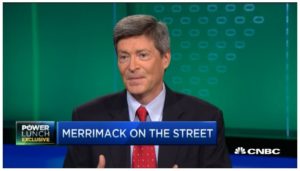
Robert Mulroy, Merrimack Pharmaceuticals CEO, discusses the company's oncology pipeline and clinical basket trial.
- Kentucky Anesthesiologist Sentenced to 8+ Years for Unlawful Distribution of Controlled Substances, Health Care Fraud and Money Laundering (dea.gov)
...anesthesiologist Jaime Guerrero, who had practices in Kentucky and Indiana, was sentenced to 100 months in prison...according to...plea agreement, Guerrero agreed to forfeit his license to practice medicine, and to forfeit real property owned by Guerrero Real Estate Investments...Further, Guerrero agreed to pay $827,000 in victim restitution to nine health care benefit programs...pleaded guilty to 31 counts of a 35 count Superseding Indictment...including unlawful distribution or dispensing of controlled substances, health care fraud, conspiracy and money laundering...Guerrero conspired with others to knowingly and intentionally distribute and dispense Schedule II and III controlled substances to patients, without a legitimate medical purpose and beyond the bounds of professional medical practice... Guerrero...fraudulently submitted over 100 claims to various health care benefit programs for office visits at a higher code than the service provided; for office visits that were not medically necessary or within the course of usual medical practice; submitting claims for services that were not sufficiently documented in the patient’s medical record; and making claims for office visits as though a physician saw the patient...
- Valeant discounts on heart drugs may be a hard sell to some hospitals (statnews.com)
Seeking to blunt criticism of its pricing, Valeant Pharmaceuticals...announced a new program to offer discounts of at least 10 percent to hospitals for a pair of life-saving heart drugs. The move comes after the company caused a firestorm last year by raising prices for the medicines – Nitropress and Isuprel...The price hikes sparked outrage over the cost of pharmaceuticals, in general, and led to several congressional hearings last fall that focused on Valeant’s strategy of buying drugs from other companies and then quickly jacking price tags to previously unseen heights. Valeant responded by signaling it would offer up to 30 percent discounts to hospitals, but never followed through and continued raising its prices, upsetting hospitals still more...It’s definitely much more information than we got last time, but we’re still going to pay a huge markup...A 10 percent discount is helpful, but not meaningful...It’s really like a slap in the face, because you have to buy a lot more to get a 30 or 40 percent discount...
- Colombia to Novartis: Lower the price of your cancer drug, or else (statnews.com)
The Colombian government and Novartis appear to be headed toward a showdown over the widely used Gleevec cancer treatment. In the latest twist, Health Minister Alejandro Gaviria is giving the drug maker a few more weeks to reduce its price for the medicine, or he will issue a so-called "compulsory license" that will allow generic companies to sell lower-cost versions...For us, it’s a question of survival...The ultimatum comes amid heightened tension over the government’s plan to widen access to the medicine...Novartis has consistently maintained that it is "actively seeking a resolution" to the dispute, while arguing that compulsory license should not be used to force price negotiations. The company has also insisted that the price for Gleevec in Colombia is subject to government controls and that generics are available in the country...The episode has quickly become another heated example of the clash over intellectual property rights and access to medicines between the pharmaceutical industry and cash-strapped governments. Global drug makers argue that compulsory licenses should be reserved for public health emergencies and as a measure of last resort, not a tool to use in negotiations for a lower price...
- Rural Hospitals Often Safer, Cheaper for Common Surgeries: Study (realclearhealth.com)

Having a commonplace surgery...may be safer when done in a rural hospital compared to a suburban or city hospital...This study gives credence to what rural surgeons long suspected -- that well-done rural surgery is safe and cost-effective...the researchers reviewed 1.6 million surgeries. They were performed at 828 rural hospitals or 3,600 larger hospitals. Specifically, the researchers compared outcomes for Medicare patients who had one of four common operations: gallbladder removal, colon surgery, hernia repair and appendix removal...the risk for developing a major complication after surgery -- such as heart attack, pneumonia or kidney damage -- was lower at rural hospitals...Patients who had surgery at rural hospitals were also less likely than patients in larger hospitals to use skilled nursing facilities after their operations...patients operated on in rural hospitals tended to be healthier than those treated at larger hospitals, suggesting that rural doctors select low-risk surgical patients and send more complicated cases to larger medical centers...many rural hospitals are facing the threat of closure. That's because national policies that set medical and surgical rates for these hospitals are under scrutiny...
- Drug price increases lower so far in 2016: Analysts (fiercepharma.com)
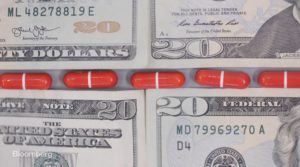
Drug price increases are lower so far in 2016 than in 2015, according to a note from Deutsche Bank analysts. The trend comes as some pharma companies such as Valeant face pushback for hiking prices on certain branded meds...Pharma raised list prices on average by 5% through April 2016, compared to 7.8% for the same period a year ago. Valeant's "significant change in pricing behavior" was a key factor behind this change, analysts said...The company's list price increases dropped to 1.2% in January to April 2016 from 25.8% during the same period last year...There were a couple caveats to the analysts’ findings. Their analysis was only based on list prices, which don’t factor in rebates or discounts that go into final pricing for a drug...The findings also don’t "consider how reliant companies have been on price for growth in the past, or how changes to pricing behavior could affect future growth...We are not making any stock calls based on this analysis...
- Valeant Said to Weigh Sale of Skin, Cancer Drugs to Cut Debt (bloomberg.com)
Valeant Pharmaceuticals International Inc. is exploring the sale of some of its smaller cosmetic and pharmaceutical assets...as the Canadian drugmaker scrambles to raise cash and reduce debt...The company is considering the disposal of Obagi Medical Products Inc., a dermatology company it acquired in 2013, as well as Provenge, a treatment for advanced prostate cancer that was purchased last year...Valeant may also sell drugs acquired from Marathon Pharmaceuticals last year, one of the people said. Those treatments include Isuprel and Nitropress...The divestitures could raise as much as $1 billion...The process is at a preliminary stage, no decision is imminent, and the company may decide against selling some or all of the assets...
- Novartis splits drugs business into two, pharma chief to leave (reuters.com)
Novartis is splitting its pharmaceuticals division into two business units, one focused on cancer and the second on other drugs, while switching out its current pharma head in the second high-profile management reshuffle this year...David Epstein, the American head of Novartis Pharmaceuticals...will leave the company to "explore new challenges from the U.S."...Epstein's re-location to the United States implies he is not in the running to replace Andrew Witty as chief executive of British drugmaker GlaxoSmithKline next year...Novartis' reorganization of its main drugs unit, which accounts for about two-thirds of its $49 billion in annual sales, shows the growing importance of oncology to the company...Cancer drugs tend to enjoy high profit margins and the therapy area is highly valued by investors at present, thanks to recent advances in fighting the disease and the premium prices commanded by cancer treatments...A split makes sense because oncology now has critical mass, following the GSK deal, and oncology is in many ways becoming a differentiated business from the rest of pharmaceuticals...
- Small State Takes Big Steps in Opioid-Overdose Reversal (ashp.org)
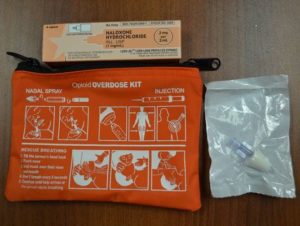
A public health campaign in Vermont is getting naloxone into the hands of those who may need it, and pharmacists at the state's major academic medical center are doing their part to help...a pilot program operated by the Vermont Department of Health distributed 8723 "naloxone rescue kits" or kit refills from a network that now includes 10 sites around the state...The sites, which are operated by drug treatment, harm reduction, and recovery centers, get the kits at no cost from the health department and distribute them to patients who are at high risk for an opioid overdose. Friends and family members may also pick up the kits...Meghan Groth, emergency department pharmacist at the University of Vermont Medical Center...developed a similar protocol for dispensing naloxone rescue kits to patients in the ED...Mark DiParlo, manager of UVMC's outpatient pharmacies, expects to have a pharmacy-based naloxone dispensing plan in place by summertime...