
- Pharmacy Week in Review: November 20, 2015 (pharmacytimes.com)

Mike Glaicar, Business Development: Pharmacy Times...(PTNN) This weekly video program highlights the latest in pharmacy news, product news, and more. (video)
- 4 Ways Pharmacists Can Fight Antibiotic Resistance (pharmacytimes.com)
Pharmacists can play a critical role in coordinating better strategies to enhance antimicrobial stewardship. Often, they are already working directly with medical and nursing staff to ensure that patients are prescribed the best treatment by advising on drug selection, dose, and administration method…“Pharmacists can’t just expect others to do it,”…“We must make our own contributions if we want to fix this problem.”...Here are some ways pharmacists practicing in all care settings can continue to fight antibiotic resistance:
- Counsel Patients in Community Pharmacy Settings
- Make Sure Everyone Knows How Important Immunizations Are
- Prevent Unnecessary Antibiotic Use for Non-Bacterial Infections
- You Can’t Spell “Hospital Health Care Team” Without “Team”
- UnitedHealth Considers Reversing Course on Obamacare (bloomberg.com)UnitedHealth Lowers Forecast, Blaming Affordable Care Act (nytimes.com)
UnitedHealth, the biggest health insurer in the United States, is considering quitting offering coverage under Obamacare, just one month after discussing expanding coverage in 11 new markets. Bloomberg's Drew Armstrong examines the move and how it may impact the insurance industry and the future of the Affordable Care Act. He speaks on "Bloomberg Markets."
- French proposal for ‘Made in EU’ labels threatens to divide drug industry (statnews.com)Decree on the specification of the place of manufacture on the external packaging of pharmaceutical products (ec.europa.eu)
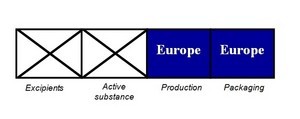
Increasing public confidence?
In a controversial move, France has asked the European Commission to allow new labeling on medicines that would indicate whether products and ingredients come from Europe or elsewhere. But the effort is likely to divide drug makers amid concerns about the quality of prescription drugs…The stated reason for the request is to bolster transparency, because French consumers may have “doubts” about their medicines, according to the filing by the French government. And the notice singled out generic medicines, in particular…The filing also follows the recent suspension of some 700 mostly generic drugs by the European Union. The EU acted after French regulators questioned the reliability of clinical trial data generated by GVK Biosciences, a contract research organization in India that conducts studies for drug makers.
- Post-antibiotic era draws closer as new resistant bacteria discovered (pharmatimes.com)Emergence of plasmid-mediated colistin resistance mechanism MCR-1 in animals and human beings in China: a microbiological and molecular biological study (thelancet.com)
The world is drawing closer to a “post-antibiotic era” after bacteria resistant to last-resort drugs are discovered in China…The report in the Lancet Infectious Diseases identified bacteria resistant to the antibiotic colistin in patients and livestock…the new mutation is able to be easily shared between bacteria…"If this mutation becomes global…and the gene aligns itself with other antibiotic resistance genes…then we will have very likely reached the start of the post-antibiotic era.”… “To advise policy makers on the best way to tackle antimicrobial resistance, robust scientific data on how antimicrobials are used across the EU and how resistance emerges and transfers are needed,”…“This requires close cooperation between the various European agencies that have responsibilities in this area.”
- Pharmacies Settle with Feds for Narcotics Mishandling (pharmacytimes.com)

A group of San Diego, California, pharmacies and their owners have paid $750,000 to the federal government to resolve drug diversion claims…pharmacies had been accused of mishandling prescription narcotics and ephedrine/pseudoephedrine products…The settlement was with Park Medical Pharmacy Inc…and owners Joseph Grasela and John Grasela…Drug Enforcement Administration alleged that the pharmacies had violated the Controlled Substances Act by diverting a “significant” amount of controlled substances, not taking adequate inventory of controlled substances, and not maintaining records of the pharmacies’ distribution of products.
- Why Inversion Deals Are All the Rage in Health Care (bloomberg.com)
Marshall Sonenshine, Sonenshine Partners chairman, comments on Pfizer possibly being in advanced talks to buy Allergan for as much as $380 per share. He speaks with Bloomberg's Betty Liu on "Bloomberg Markets."
- FIP issues new resource to arm pharmacy’s fight against antibiotic resistance (fip.org)Fighting antimicrobial resistance: The contribution of pharmacists (fip.org)
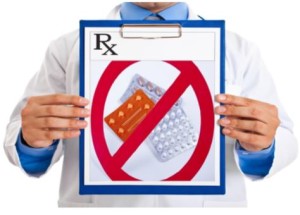
Involving pharmacists in preventing antimicrobial resistance makes the implementation of successful policies more likely. This is the view of the International Pharmaceutical Federation…to mark the start of the first World Antibiotic Awareness Week…“Fighting antimicrobial resistance: The contribution of pharmacists” presents the causes and consequences of AMR, and points to the need for better management and policies. Antimicrobials are used in inappropriate ways all over the world…The cost to lives and to health care systems resulting from suboptimal antimicrobial medicines use cannot be afforded…The federation also warns that the responsible use of antimicrobials remains crucial; or else new medicines may become ineffective too soon.
- Pharmacy Podcast – Pharmacy Cloud Accounting Technology – Sykes & Company (pharmacypodcast.com)

We are joined by independent pharmacy business accounting expert – Ollin Sykes founder of Sykes & Company, P.A. (podcast 21:45 min)
- Nepal facing medicine shortages due to fuel crisis, blockade (hosted.ap.org)

Shortages of life-saving medicine because of political protests in Nepal that have blocked key roads could lead to a crisis, as hospitals have started to cut services…Hospitals are rescheduling surgeries by weeks, and patients are finding it difficult to get to medical facilities due to fuel shortages…Truckloads of medicine have been blocked at the main border crossing with India for the last few months by Nepal's Madhesi ethnic protesters…adding that Indian authorities were also not allowing the shipments across even at points where there are no protests…The...Madhesis have been protesting Nepal's new constitution, demanding to be given greater autonomy over local matters…Nepal imports about 60 percent of its medicine from India. The remaining locally made drugs also get most of the raw material and packaging from India.