
- How Technology and Legislative Issues Could Affect Pharmacy (pharmacytimes.com)
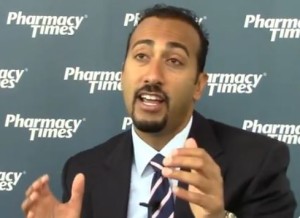
Pat Basu, MD, MBA, chief medical officer of Doctor on Demand, discusses legislative issues and technology that could affect pharmacy.
- Potential Barriers to Inhaled Insulin (pharmacytimes.com)
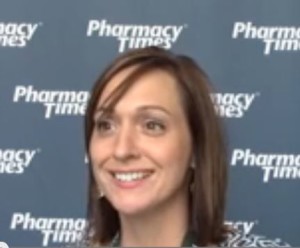
Jessica Kerr, PharmD, CDE, and assistant department chair at Southern Illinois University Edwardsville discusses potential barriers to inhaled insulin, like Afrezza.
- FDA staff flag likely dosing errors with Purdue’s opioid painkiller (reuters.com)

Food and Drug Administration…have expressed concerns over likely errors in administering Purdue Pharma's fast-acting oxycodone…(Avridi) that could result in inadequate relief…The drug is designed to be taken every 4-6 hours on an empty stomach…absorption…can be substantially delayed in the presence of food,.. "food effect" may reduce the effectiveness and safety of the drug,.. Inadequate pain control caused by presence of food could lead to overdosing…
- How Community Pharmacists Can Best Leverage Electronic Health Record Technology (pharmacytimes.com)
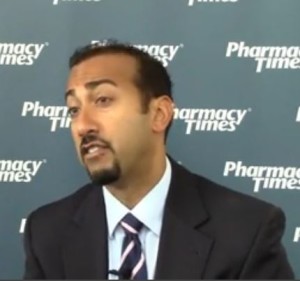
Pat Basu, MD, MBA, chief medical officer of Doctor on Demand, discusses how community pharmacists can best leverage EHR technology.
- 4 Nontraditional Jobs for Pharmacists (pharmacytimes.com)
Stuck in a pharmacy career rut? Not interested in the traditional job options in retail, independent, or hospital pharmacy? Here are 4 nontraditional jobs for pharmacists:
- NASA Pharmacist
- Nuclear Pharmacist
- Prison Pharmacist
- Medical Writer
- Roche CEO attacks Britain’s ‘stupid’ cancer drug system (reuters.com)

Roche Chief Executive Severin Schwan criticized Britain's health system…after two of the company's cancer drugs were dropped from use, calling it a "stupid" way to control costs that could jeopardize research in the country… Schwan said there would be also knock-on effects for research in Britain, since if drugs like Avastin were not available as standard then Roche would not be able to do certain clinical trials in the country…Eventually, this will hurt us on the research side in the UK…
- Vote for the 2015 PTCB CPhT of the Year! (ptcb.org)
PTCB (Pharmacy Technician Certification Board) invites you (certified pharmacy technicians) to vote now for the 2015 PTCB CPhT of the Year. PTCB's CPhT of the Year Program honors and recognizes individual achievement in patient care, leadership, and innovation to encourage and support excellence among all pharmacy technicians….PTCB selected eight CPhT candidates to appear on the online ballot.
The 2015 honoree will receive:- a $1,000 honorarium
- travel and accommodations to attend a special evening event on October 27, 2015 in Washington, DC to recognize the CPhT of the Year for leadership, innovation, and excellence in patient safety, and to celebrate PTCB's 20th anniversary
- Polypharmacy in Elderly Patients: A Pervasive Problem (pharmacytimes.com)

Because current health care practice focuses on diagnosing and prescribing, the need to taper, reduce, or discontinue inappropriate medication therapy receives relatively little attention. Few clinical guidelines cover drug deprescribing, and this lack of evidence-based direction contributes to prescribers’ hesitancy or reluctance to touch treatment regimens that may have originated from a different practice setting. But failure to deprescribe medications that are contributing to adverse side effects can have serious consequences,...
- Ways Smoking Cessation Can Improve Patient Health and Manage Chronic Conditions (pharmacytimes.com)

Lisa Kroon, PharmD, CDE, professor and department chairperson of clinical pharmacy at University of California, San Francisco, School of Pharmacy, talks about some ways smoking cessation can improve patient health and manage chronic conditions.
- Obstacles Hindering Community Pharmacists From Playing a More Active Role in Transitions of Care (pharmacytimes.com)Pharmacist Role in Care Transitions Expanding (pharmacytimes.com)
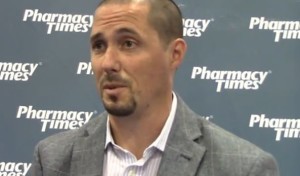
Eric A Wright, PharmD, MPH, investigator I for Geisinger Health Research and associate professor at Wilkes University, discusses communication obstacles that hinder community pharmacists from playing a more active role in transitions of care.