
- CMS eyes Part D catastrophic coverage reforms that would shift risk to insurers (fiercehealthcare.com)

The Trump administration is looking for ways to change the Medicare Part D drug program that would shift more risk to plan sponsors when members reach the final catastrophic coverage stage...The catastrophic coverage tier of Part D kicks in when a member reaches $5,000 in out-of-pocket costs. At that point, patients pay a flat fee or 5% of the negotiated retail drug cost, and the federal government picks up 80% of the remaining costs and plan sponsors pay 15%...That could change. Catastrophic coverage under Part D was initially developed to encourage private insurers to participate, Centers for Medicare & Medicaid Services Administrator Seema Verma said...A lot has changed since then, and now it’s “one example where Part D could be updated or modernized.”...We’re at the point now where it would be better for Part D plans to manage that portion of the benefit,” she said. “That way we could bring competition and negation to that piece as well.”
- October 19 Pharmacy Week in Review: Drug Prices in Television Ads and Possible Link Between Weight Gain and CRC in Women (pharmacytimes.com)
Nicole Grassano, PTNN, Pharmacy Week in Review, this weekly video program provides our readers with an in-depth review of the latest news, product approvals, FDA rulings and more.
- FDA Warns Vape Company Over Vape Liquids With Erectile Dysfunction Drugs (techtimes.com)

....the FDA released a statement announcing that it issued a warning letter to China-based vape company HelloCig Electronic Technology Co. Ltd over several violations of FDA regulations...the company produces two products containing undeclared tadalafil and/or sildenafil, the active pharmaceutical ingredients in erectile dysfunction drugs...Such drugs are approved by the FDA as pharmaceutical drugs but not approved to be included in vape liquids, and are therefore considered illegally sold. Further, the agency learned that the company is marketing the products in such a way that may mislead consumers into thinking that the adulterated vape liquids are FDA approved, placing Cialis bottles and pills alongside their product...
- Nearly 800 Dietary Supplements Tainted With Unapproved Ingredients Such As Viagra And Steroids (techtimes.com)
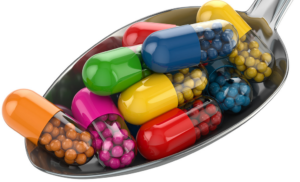
...researchers of a new study published in JAMA Network Open found that nearly 800 dietary supplements were found to be adulterated with unapproved drugs. Specifically, from 2007 to 2016, there were 776 dietary supplements identified to contain one or more hidden drug ingredients, implicating 146 dietary supplement companies...Most of the adulterated dietary supplements were marketed for sexual enhancement, weight loss, and muscle building. The most common hidden drug ingredient in sexual enhancement supplements is sildenafil, the active ingredient in Viagra, while the most common additive in weight loss supplements is banned weight-loss drug sibutramine, and synthetic steroid drugs for the muscle building supplements...experts are now urging the FDA to take urgent action to have these products removed from the market. Such products pose serious health risks, especially to users who are unaware that the supplements they are taking are actually adulterated with drugs...
- Advancing Toward the Goal of Global Approval for Generic Drugs: FDA Proposes Critical First Steps to Harmonize the Global Scientific and Technical Standards for Generic Drugs (fda.gov)
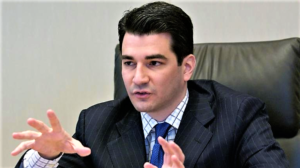
Scott Gottlieb, M.D., Commissioner of Food and Drugs
...FDA launched a Drug Competition Action Plan that focuses on three key areas designed to facilitate more generic competition, promote patient access, and improve the economics of developing generic medicines...While we’ve made substantial progress in fostering more competition by resolving obstacles that can make it difficult to win approval of generic versions of certain complex drugs, increasing the speed of generic approvals, and closing down ways that branded companies game the system to prolong drug monopolies, there’s still more work to be done...So we’re opening up some new policy fronts when it comes to our Drug Competition Action Plan. And we’re re-launching that plan for 2019 with some additional initiatives. Chief among them is a new effort that FDA has proposed to the International Council for Harmonization of Technical Requirements for Pharmaceuticals for Human Use (ICH), a key international body comprised of other regulatory authorities and the pharmaceutical industry: The pursuit of common global development standards for generic drugs...The ultimate goal of this global harmonization of scientific and technical requirements would be the attainment of a single global generic drug development program that can support simultaneous regulatory filings across multiple markets. Harmonization of these requirements is foundational to achieving a future goal of enabling global approval for high quality generic drugs.
- 5 questions on the Trump admin’s bid to mandate prices in drug ads (biopharmadive.com)

The Trump administration took one of its more combative moves on drug pricing Monday, when Health and Human Services Secretary Alex Azar introduced a proposal requiring drugmakers to disclose list prices in television advertisements...The proposal sets up what is expected to be a confrontation between the drug industry and the federal government. It also raises a slate of legal, political and regulatory questions that will be debated in the coming months. Here are five of the most pressing, and what experts are saying about them:
- Can the administration actually do this?
- Would putting prices in TV ads actually help?
- Will PhRMA sue?
- Why did the Trump administration choose to make this a signature proposal?
- Which drugmakers would hate this most?
- U.S. TV drug ads to carry information on prices (reuters.com)CMS Proposes Requiring WAC Prices to be Included in Pharma TV Ads (raps.org)
TV advertisements for drugs made by major U.S. companies will soon direct patients to information about the potential price of medicines, a pharmaceutical industry lobbying group (Pharmaceutical Research and Manufacturers of America) said...The move, which will help consumers find the list prices and out-of-pocket costs for drugs more easily, is aimed at increasing transparency and comes at a time of heightened political scrutiny into drug prices...all advertising that identifies a medicine by name should include direction relating to where one can find information about its cost, such as a company’s website...
- This Week in Managed Care: October 19, 2018 (ajmc.com)
Laura Joszt, Managing Editor at The American Journal of Managed Care. Welcome to This Week in Managed Care from the Managed Markets News Network
- Azar deals woe to DTC—and a slap to Big Pharma—with vow to force prices into drug ads (fiercepharma.com)U.S. TV drug ads to carry information on prices (reuters.com)
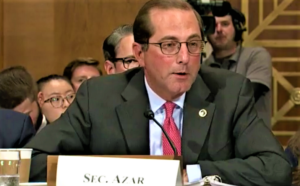
HHS Secretary Alex Azar
Pharma might have thought it could fend off the Trump administration's bid to get drug prices into consumer advertising, but it was wrong...Even a last-ditch set of concessions—announced by PhRMA Monday morning—couldn't forestall HHS Secretary Alex Azar's own proposal Monday afternoon. The pharma plan was "a small step," Azar said, before saying he'd require DTC television ads to include the list price on all $35-and-up drugs covered by Medicare or Medicaid, which is essentially every drug in the pharmaceutical universe...And Azar didn't just counter. He took direct aim at the just-announced PhRMA idea.
- EU places China’s Zhejiang Huahai under increased supervision (reuters.com)
European authorities are placing Zhejiang Huahai Pharmaceutical Co Ltd under higher supervision, the European Medicines Agency said...the latest crackdown on the Chinese firm after a probable carcinogen was found in its blood pressure drug valsartan...EU authorities will now supervise the manufacture of other active substances produced by Zhejiang Huahai more closely...European authorities said late last month they had found that Huahai did not comply with good manufacturing practices and that the company’s factory in Linhai, China, was no longer authorized to produce valsartan...European and North American regulators last month found a second toxin in Valsartan that may cause cancer in humans...low levels of a carcinogen have now also been found in irbesartan made by Aurobindo Pharma, with the supply in the EU...being suspended.