
- White House: Trump’s drug pricing plan will make the rest of the world pay its fair share (cnbc.com)
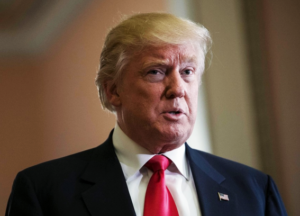
President Donald Trump
First, the president's plan would cut domestic drug prices by dismantling the burdensome government approval and reimbursement policies that inhibit healthy competition. Second, the plan would combat foreign government policies that devalue intellectual property rights and create unfair pricing systems that force drug manufacturers to sell to foreign buyers at unreasonably low prices...President Trump's plan would stop overpricing of drugs at home and underpricing abroad...Government policies that restrict competition...the lengthy drug approval process erects large entry barriers for both brand-name drugs and their cheaper generic counterparts. FDA's work to facilitate timely generic entry is estimated to have saved Americans billions of dollars...doctors are given precisely the wrong incentive when prescribing: the system reimburses them at higher rates when they prescribe more expensive drugs, ultimately funded by our tax dollars...There is no free lunch. If neither Americans nor foreigners pay for the R&D to develop new drugs, then soon nobody will receive new treatments...
- EU plan to boost off-patent manufacturing, create 25,000 jobs sparks big pharma backlash (in-pharmatechnologist.com)

Officials are considering adding an “export manufacturing waiver” to the Supplementary Protection Certificates that extend patent protection. The waiver would allow companies to manufacture drugs covered by SPCs at sites in Europe, provided the products are destined for export to markets in which patent protection has lapsed or never existed...The Commission is proposing the waiver to enable companies based in the European Union to meet demand for biosimilars and generics in emerging markets and other overseas territories. Currently, SPCs can prevent manufacturers from using their European operations to supply drugs for export, potentially making them less competitive than their foreign peers...This will help create growth and high-skilled jobs in the EU. It could generate €1bn ($1.2bn) net additional sales per year and up to 25,000 new jobs over 10 years...the European Federation of Pharmaceutical Industries and Associations questioned whether the policy will achieve its objectives and said it may create friction between the EU and its trading partners...EFPIA...perceives clear downsides to a policy it sees as devaluing the European intellectual property framework and deterring investment in the region...
- EMA post-Brexit: will the UK become a second-tier state? (pharmaceutical-technology.com)The impact of Brexit on the pharmaceutical sector (publications.parliament.uk)

...the Business, Energy and Industrial Strategy Committee released a report detailing the consequences of the UK leaving the EU without a deal for the pharmaceutical industry...UK-headquartered pharma companies generated a total of $87.5bnin global sales...A small reduction in the size of the sector could therefore have significant effects on the UK economy...Findings in the BEIS report suggest that if the UK fails to reach an agreement with the EU for the industry during Brexit negotiations, there is a risk of the UK becoming a second-tier state in pharmaceuticals...The UK’s future role in the European Medicines Agency...is expected to significantly impact the UK’s pharmaceutical sector post-Brexit. If the UK government does not negotiate regulatory parity with the European Economic Area, the UK will no longer have access to the single marketing authorisation for EU and EEA countries, requiring companies to submit a separate UK application for any new drug...This would require duplication of staff and facilities to conduct clinical trials and submit regulatory applications in both the UK and the EU, costing pharmaceutical companies millions of dollars. BEIS warns these consequences will make the UK an unattractive small market and result in complete loss of access to certain drugs, particularly specialised therapies...
- Integrating medication management with its EHR helped one hospital beat CMS expectations (healthcareitnews.com)

King's Daughters Medical Center...found it challenging to provide an accurate, verifiable home medication record for its providers to trust as they made important decisions about existing medications both during an inpatient visit and after discharge...King's Daughters now uses external medication history from pharmacy fill data as well as insurance claims data, provided by vendor DrFirst, to complement verification and push the information to the providers...While it is not intended as a replacement for the patient/family interview, its integration into the electronic health record greatly augments the conversation and can prompt a patient to include easily forgotten information...This reduces the risk of prescription loss and makes the process more efficient for the patient while ensuring the health record is updated in advance of future visits...King's Daughters is required to report its performance on both medication reconciliation (with a threshold goal of 50 percent) and e-prescription (10 percent) to the Centers for Medicare and Medicaid Services...most recent reporting period, Q4 2017, our stats were 77 percent and 52 percent, respectively...integrating medication management tech into the EHR also helped King’s Daughters more effectively retrieve historical data and deliver that information to providers to facilitate new prescriptions in a trustworthy manner that both reduces errors and the abuse of controlled substances...
- The ‘cruel joke’ of compassionate use and right to try: Pharma companies don’t have to comply (statnews.com)

...the FDA has a compassionate use program to allow people access to experimental drugs, it can’t compel a company to provide those drugs. The newly signed “right-to-try” law doesn’t either...the Food and Drug Administration calls its expanded access program, also known as compassionate use. It governs the use of an investigational medicine that has not been approved by the FDA outside of a clinical trial...Here’s how it is supposed to work. A physician caring for a patient with a terminal illness who has exhausted all other treatment options and isn’t eligible for a clinical trial appeals to the pharmaceutical company to provide an investigational drug that has undergone at least a Phase 1 trial, which studies the safety of a drug. If the pharmaceutical company agrees, the treating physician applies to the FDA for approval for expanded access to the investigational drug...Large pharmaceutical companies are notoriously risk averse when it comes to expanding access to medications that are still in the testing phase. Many refuse to grant access to investigational drugs outside of clinical trials...One fear they have is that an adverse event, like an injury or death — even if it is not directly due to the medication — will derail a company’s ability to push a drug forward for FDA approval...Pharmaceutical companies also worry that if an experimental medication is given to one patient through compassionate use, it must be given to all patients who request it. In the case of rare diseases...this could mean that a company would have trouble enrolling enough patients when it eventually opens a clinical trial...
- This Week in Managed Care: June 1, 2018 (ajmc.com)
Laura Joszt, Managing Editor at The American Journal of Managed Care. Welcome to This Week in Managed Care from the Managed Markets News Network
- Reform to lower prescription drug prices, save up to NIS 200m. ($55,763,000) (jpost.com)

High-priced prescription drugs will soon become 5% cheaper, thanks to simplification of the mechanism that controls their maximum permitted prices. This will lead to savings of NIS 150m. to NIS 200m., the Treasury and Health ministries announced...“This is an additional step to reduce the cost of living and make health more accessible to the public,” Finance Minister Moshe Kahlon said. “This change is part of a series of steps we have taken in the past three years to strengthen the public health system”...ministries have been working on implementing a reform in the mechanism for determining the maximum prices of prescription drugs...The committee carried out international reviews and consultations with representatives of health funds and the pharmaceutical companies. It decided to revise the drug price-control model to bring down the prices of expensive prescription drugs and increase the supply of inexpensive medications...
- Cost of ER visits in Nevada rising quickly, report says (reviewjournal.com)

...if you get injured or ill in Nevada, you will pay the second-highest price in the nation just to step through the ER doors...The cost of an emergency department visit in the Silver State, not counting the services actually rendered once you’re admitted, is rising at the fastest rate in the country, according to a report published...by the Health Care Cost Institute. The average price per claim in Nevada was $1,281 in 2016, trailing only No. 1 California by $7...From 2009 through 2016, the latest year for which data was available, the price of an emergency department visit increased 147 percent in Nevada...It rose 98 percent nationwide in the same time period...It could be that Nevadans today are sicker than they were a decade ago...Or it could be that Nevada’s ERs are looking to offset the costs incurred by an increasing number of Medicaid patients...A 2014 expansion of the federal program in the state doubled the number of Medicaid patients to more than 600,000, but state health care providers receive one of the lowest reimbursement rates in the nation...
- June 1 Pharmacy Week in Review: New Hepatitis C Virus Guidelines and Lyme Disease Prevention (pharmacytimes.com)
Nicole Grassano, PTNN, Pharmacy Week in Review, this weekly video program provides our readers with an in-depth review of the latest news, product approvals, FDA rulings and more.
- Trump signs ‘right to try’ drug bill (thehill.com)
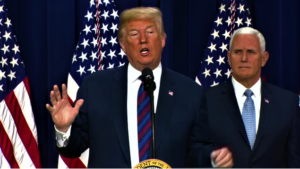
President Trump signed a bill...allowing terminally ill patients access to experimental medical treatments not yet approved by the Food and Drug Administration...Dubbed "right to try," the law's passage was a major priority of Trump and Vice President Pence, as well as congressional Republicans..."Thousands of terminally ill Americans will finally have hope, and the fighting chance, and I think it's going to better than a chance, that they will be cured, they will be helped, and be able to be with their families for a long time, or maybe just for a longer time," Trump said at a bill signing ceremony at the White House, surrounded by terminally ill patients and their families...Most Democrats and public health groups oppose the bill, arguing that it could put patients in danger...FDA oversight of access to experimental treatments exists for a reason — it protects patients from potential snake oil salesmen or from experimental treatments that might do more harm than good...Opponents also argue it gives “false hope” to patients, since drugmakers aren’t required to give unapproved medicines to patients who ask for them...Supporters say, however, it will provide new treatment opportunities for terminally ill patients who have exhausted existing options...