
- Sandoval’s prescription drug abuse summit begins Wednesday (reviewjournal.com)Drug summit develops blueprint to combat opioid abuse in Nevada (reviewjournal.com)
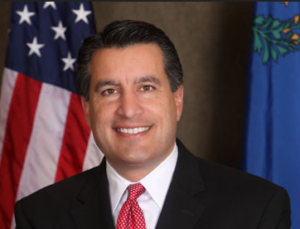
Gov. Brian Sandoval has called physicians, politicians and law enforcement officials to a summit meeting this week to address the national opioid epidemic’s impact on Nevada...The Prescription Drug Abuse Summit...at the MGM Grand will focus on issues that include oversight of pain management clinics, physicians’ drug prescription practices and alternatives to opioid medications..."Nevada has established policies that have become national models in prescription drug monitoring and ongoing coordination between the public and private sector. I am proud of what we have accomplished, but there is more work to be done," Sandoval said...Featured speakers at the summit will include U.S. Agriculture Secretary Tom Vilsack and Vermont Gov. Peter Shumlin…
- Parents remain leery of schools that require HPV vaccination (statnews.com)

...the HPV vaccine is still a hard sell...A new study (funded by Merck, which sells the Gardasil HPV vaccine) finds that only 21 percent of parents believe that a law requiring vaccination for attending school is a good idea, and 54 percent disagreed with the notion of such a requirement for school entry altogether. What might make them change their minds? Well, 57 percent reported that they could live with the requirement, but only if there is an opt-out provision... the vaccines have been plagued by numerous reports of side effects. The issue prompted European regulators to investigate although they did not find evidence the vaccines cause chronic pain or dizziness. Earlier this month, meanwhile, 63 young women in Japan filed a class-action lawsuit seeking $9 million in compensation from the central government and the manufacturers over side effects, pain in various parts of their bodies, difficulty walking, and impaired eyesight…
- Illinois attorney general sues Insys over fentanyl drug marketing (reuters.com)

Illinois' attorney general...sued Insys Therapeutics Inc, accusing it of deceptively marketing and selling an addictive fentanyl-based medication, intended to treat cancer pain, to doctors for off-label uses...The lawsuit...comes as Insys faces a number of state and investigations involving its drug Subsys (fentanyl sublingual) as U.S. authorities seek to combat a national opioid abuse epidemic...This drug company's desire for increased profits led it to disregard patients' health and push addictive opioids for non-FDA approved purposes…the lawsuit seeks to bar Insys from selling its products in Illinois and impose financial penalties on the company...
- Too many treatment guidelines are written by experts with financial conflicts, study finds (statnews.com)
Physicians typically rely on treatment guidelines issued by medical associations, but a new study finds that many experts involved in assembling these guidelines in Canada have financial ties to drug makers. And the study authors recommend that medical societies implement tougher disclosure rules to avoid undermining clinical decisions...researchers...examined 400 financial conflicts of interest statements in connection with the guidelines published in 2012 and 2013...found that relationships with drug makers varied...75 percent of the disclosures, at least one guideline author revealed such a relationship (conflicts of interest) and in 21 percent of the guidelines, all of the authors disclosed a conflict with drug companies...These guidelines...provide specific drug treatment recommendations that are considered to be authoritative regarding doctors・ treatment decisions for their patients...Clinical practice guidelines are also widely distributed by medical associations. Therefore, the financial relationships held by the physician-authors of these guidelines is an important step towards analyzing their choices of drug recommendations...
- Pharmacy Benefit Managers Shouldn’t Fret Initial Fallout from Mylan Fiasco (thestreet.com)Mylan, Feeling Heat on EpiPen Price, Will Offer Cheaper Generic (msn.com)How Payers Contributed to the EpiPen Pricing Controversy (drugchannels.net)Mylan may have violated antitrust law in its EpiPen sales to schools, legal experts say (statnews.com)How Parents Harnessed the Power of Social Media to Challenge EpiPen Prices (well.blogs.nytimes.com)
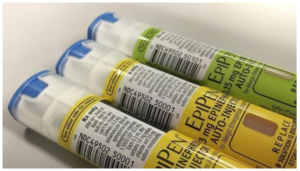
Mylan pushed the blame for high EpiPen prices onto PBMs...causing share prices to dip. Analysts say investors were mislead...In hopes of quelling patient and politician's outrage over the prices of EpiPen, Mylan pushed the blame for the high costs onto a few entities, including pharmacy benefit managers...CVS Corp. and Express Scripts...Both...saw significant drops in share price...after Mylan released an infographic explaining that PBMs, insurance companies, wholesalers and retailers all boosted the prices of EpiPen after the drug left Mylan's hands...The time to buy into PBMs could be upon us, as these are actually strong businesses that saw an unnecessary pullback…
- This Week in Managed Care: August 27, 2016 (ajmc.com)

Sara Belanger with The American Journal of Managed Care. Welcome to This Week in Managed Care from the Managed Markets News Network...
- Under fire, Mylan takes steps to make $600 EpiPen more affordable (statnews.com)Awkward Target for Outrage Over EpiPen: A Senator’s Daughter (nytimes.com)Mylan price hikes on many other drugs eclipsed EpiPen increases (statnews.com)

Mylan Pharmaceuticals took steps...to make its EpiPen device more affordable. Specifically, the company is increasing the amount of money on a copay assistance card from $100 to $300, and is also widening eligibility for patients to receive the device through that assistance program..."We recognize the significant burden on patients from continued, rising insurance premiums and being forced increasingly to pay the full list price for medicines at the pharmacy counter. Patients deserve increased price transparency and affordable care, particularly as the system shifts significant costs to them," Mylan Chief Executive officer Heather Bresch...These moves do not actually involve lowering the $600 list price, which has been rising steadily in recent years and caused consternation among parents across the country...By expanding programs that can help patients pay for its device, Mylan is trying to say that it is addressing the issue of affordability...Mylan hopes to blunt further damage to its reputation, which has taken a beating this week as one lawmaker after another publicly demanded the company lower the price, provide data to justify its pricing, and prepare for congressional hearings...The rebukes appeared to reach a crescendo Wednesday when Hillary Clinton called the EpiPen price hikes "outrageous," triggering yet another slide in biopharma stocks as investors braced for a new round of finger-pointing and negative news streaming from Washington...Mylan...is...trying to shift the conversation to insurance coverage...price is only one part of the problem that we are addressing with today’s actions...Bresch said that she is ready to work with Congress to fix the system, and that other key players, like pharmacy benefit managers, retail pharmacies, and doctors, also need to be part of the conversation.
- Fentanyl and Other Synthetic Opioids Sold as Counterfeits in Deadly New Trend (realclearhealth.com)
In March and April, 56 people in the Sacramento area were hospitalized after taking Norco brand hydrocodone pills. Fifteen died...But, as we discovered, these pills were not pharmaceutical hydrocodone at all. They were counterfeits containing fentanyl that were purchased on the street. Fentanyl is an opioid far more powerful than hydrocodone...the distribution of illicitly manufactured fentanyl has risen to unprecedented levels...These...substances are generally formulated to look like others drugs – heroin or oxycodone tablets…These entirely synthetic, illicitly made "designer drugs" are designed to work on the same receptors in the body as drugs like marijuana, methamphetamine or heroin. The adulteration of counterfeit pharmaceuticals and street drugs with synthetic opioids is arguably the most worrying new trend...
- Pahrump doctor loses license after conviction in oxycodone prescription scheme (reviewjournal.com)

The Nevada State Board of Medical Examiners has revoked the license of a physician accused of writing more than 600 fake prescriptions, providing more than 70,000 oxycodone pills for nonmedical purposes...Dr. Simmon Lee Wilcox, who practiced in Utah and Nevada, was found guilty of conspiracy to distribute the powerful pain-relieving drug and possession with intent to distribute a controlled substance...He was sentenced to 100 months — more than eight years — in federal prison and three years of supervised release...five others pleaded guilty to conspiracy to distribute oxycodone and said they conspired with Wilcox to use his license to provide the prescriptions, creating false identification documents to carry out the ruse…
- Drug firms continue to abuse citizen petitions, FDA tells Congress (statnews.com)
...the US Food and Drug Administration filed an annual report to Congress about citizen's petitions that can be used to ask the agency to refrain from approving a generic drug or a biosimilar...FDA officials reiterated complaints that many petitions generally do not raise valid scientific concerns and appear to have been filed to delay approval of competing medicines...Congress...requires the FDA to respond to most petitions within 150 days. And as far as the FDA is concerned, this creates an unnecessary problem...agency officials are concerned that most petitions are merely a competitive ruse, and they wrote Congress that they are forced to redirect efforts at the expense of completing the other work of the agency...The concerns expressed by FDA officials largely mirror a forthcoming analysis...The analysis found that brand-name drug makers filed 92 percent of such citizen petitions between 2011 and 2015...Citizen petitions represent a hidden tool in (the brand-name drug maker's) toolkit of entry-delaying activity, all to the detriment of consumers forced to pay high drug prices...the analysis concludes.