
- NIH rejects petition to override patent on pricey prostate cancer drug (statnews.com)
National Institutes of Health...rejected a request by several consumer groups to override the patent on a prostate cancer drug because the medicine is more expensive in the United States than elsewhere...(consumer) groups petitioned the NIH to take this step, which is known as a march-in right, to help US patients because federally funded research was used to create Xtandi (enzalutamide). The drug is sold by Astellas Pharma and has an average wholesale price in the United States of more than $129,000, about two to four times more than what other high-income countries are paying...Under federal law, a march-in right allows an agency that funds private research to require a drug maker to license its patent to another party in order to "alleviate health and safety needs which are not being reasonably satisfied" or when the benefits of a drug are not available on "reasonable terms."...the NIH denied the petition because there was no information to suggest that Xtandi is or will be in short supply...The consumer group plans to submit an appeal...and said it will base its appeal on the NIH’s "flawed legal rationale" about the use of march-in rights and "its lack of analysis concerning its refusal to use a royalty-free license."
- Pharmacy Week in Review: June 17, 2016 (pharmacytimes.com)
Mike Glaicar, Business Development: Pharmacy Times...(PTNN) This weekly video program provides our readers with an in-depth review of the latest news, product approvals, FDA rulings and more.
- Novartis, Colombia face off over cancer drug cost (statnews.com)

Colombian Health Minister Alejandro Gaviria
Colombian Health Minister Alejandro Gaviria has vowed to find a way to force Novartis to lower the price of its Gleevec (imatinib) leukemia treatment. At first, he threatened to sidestep the drug patent to ensure low-cost generic production, but last week he took steps to unilaterally lower the price the government will pay for the medicine...So far, Novartis is not budging. The company argues that any move to jeopardize its patent would distort world trade rules, which, under certain circumstances, permit governments to overlook patents and secure a supply of needed medicines. Moreover, the drug maker notes there are several generic alternatives available to Colombians, so there is no need to haggle over the cost of its cancer medicine...the episode has quickly become an unfortunate litmus test in the struggle over patients and profits...A Novartis spokesman said the company is not threatening litigation against any of the generic companies, but he did not say what steps it might take...the drug maker may have to tough it out and provide Gleevec at a lower price...Novartis refused to give in. Doing so may have defused the crisis, but created a different problem. Drug makers worry that acceding to such demands might create a precedent that would encourage other countries to pursue the same tactic on other drugs. Similar battles have occurred in other countries, notably India, where drug patents have been sidestepped in a few instances...
- Drugs may not deserve reputations for sleep disruption (reuters.com)
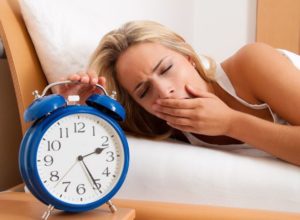
Drug labels sometimes warn that the medications may disrupt sleep, but a new study suggests these drugs don't cause troubled sleep for most people...researchers found "barely" any link between medications that warned about potential sleep disturbances and actual sleep problems among thousands of people interviewed for the study...Sleep disturbances are a frequent problem especially in older people and we wanted to find out whether this might be due to the intake of sleep disturbing drugs... We found that drugs labeled as sleep disturbing . . . are not a major risk factor for sleep disturbances in the general population...Even taking a number of potentially sleep disturbing drugs barely led to more sleep disturbances...the individual or a specific patient can still suffer from sleep disturbances caused by drugs - especially drugs against diseases of the central nervous system...One limitation of the study is that the results are based on self reports by the participants and not devices that track sleep...
- Drug company-sponsored meals tied to more prescriptions (reuters.com)

Doctors who received even one free meal from a pharmaceutical salesperson were more likely than others to prescribe the drug being promoted, even when a generic equivalent was available, according to a new study...Each year in the U.S., $73 billion is spent on brand name drugs for which there is an equivalent generic available, and patients pay for $24 billion of that amount themselves...The brand name drugs and the generics are "so similar that there’s no benefit," from using the brand name versions...doctors who received even one sponsored meal from one of the pharmaceutical companies were more likely to prescribe the target drug over a generic alternative, compared to doctors who did not receive sponsored meals. As the number of meals and meal value increased, relative prescribing rates also increased...It’s not clear from this study whether receiving meals caused doctors to change their prescribing patterns, but "humans are very responsive to gifts...
- Pharma loses one battle over drug take-back programs, but wins another (statnews.com)
The latest skirmishes over drug take-back programs yielded a mixed outcome this week for the pharmaceutical industry, which has been battling local governments that want drug makers to pick up the tab...officials in Snohomish County, Wash., voted unanimously to require drug companies to run a program that would allow consumers to dispose of unwanted and unused medicines. At the same, the Los Angeles County Board of Supervisors delayed passing a similar ordinance until November...The actions...underscore the growing challenge that the pharmaceutical industry faces as more local governments consider such programs...Local officials are pursuing these laws in the face of rising disposal costs, growing concerns about contaminants in water supplies, and a desire to reduce the threat of drug abuse stemming from medicines lingering in cabinets...the Pharmaceutical Research and Manufacturers of America...objected to the effort, saying that maintaining the program would be unwieldy and require the added burden of adhering to US Drug Enforcement Administration regulations because controlled substances would likely be turned in by consumers..."Siding with corporate interests over public health and safety can be a dangerous political position, and the people will have the final say," said Heidi Sanborn, the executive director of the California Product Stewardship Council. "This is not over,"....
- French prosecutors open probe into fatal drug trial (reuters.com)
Paris prosecutors...have begun an involuntary manslaughter investigation into a failed drug trial that left one dead and five hospitalized in January...The prosecutors' office said the investigation had been opened to determine whether there was a criminal element in any mistakes made or whether it was simply the result of clinical risks involved...France's Health Ministry said last month that Portuguese drugmaker Bial and French laboratory Biotrial were at fault "on several counts" for the drug trial...
- Drug salesmen arrested for paying doctors to prescribe fentanyl (usatoday.com)

The arrests of two former pharmaceutical salesmen for allegedly paying doctors to prescribe fentanyl... drew a strong reaction from law enforcement and other doctors, who note that pharmaceutical companies have aggressively marketed risky and addictive painkillers in recent years and have paid more than $1 billion to settle charges of illegal marketing...The two salesmen...worked for...Insys Therapeutics, whose only approved product, Subsys, is a fast-acting form of fentanyl sprayed under the tongue...While fentanyl patches provide a slow, continuous dose of painkiller, spraying Subsys under the tongue provides relief in as little as five minutes...The salesmen paid two New York-area physicians a total of $259,000 in kickbacks in 2014... doctors wrote a total of more than $6 million in Subsys prescriptions in 2014...An Insys manager allegedly knew of the scheme and instructed sales staff to demand that the doctors prescribe "large quantities of fentanyl" in exchange for the money...The alleged kickback scheme is "one of the reasons we’re experiencing an epidemic of overdoses and deaths in this country," said Diego Rodriguez, an FBI assistant director...
- India to vaccinate 300,000 children after polio strain found in sewage (reuters.com)
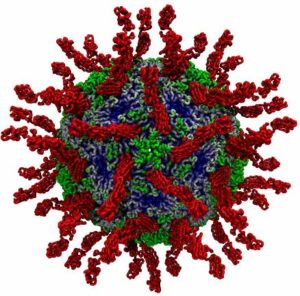
India plans to urgently immunize around 300,000 children against the crippling polio virus after a strain of the highly contagious disease was detected in sewage in the southern city of Hyderabad...India was declared polio free by the World Health Organization in March 2014 after an almost two-decade long, multi-million dollar effort -- lauded as one of the country's biggest public health achievements in recent times...as a "precautionary measure" a special immunization drive would be held from June 20 in the high-risk districts of Hyderabad and Rangareddy, targeting around 300,000 children between the ages of six weeks and three years...Afghanistan and Pakistan are the only countries left in the world where the virus remains endemic...The polio virus attacks the nervous system and can cause irreversible paralysis within hours of infection. It often spreads in areas with poor sanitation, and children under five are the most vulnerable.
- Pharma’s secret weapon to keep drug prices high (statnews.com)
Skyrocketing drug prices are forcing states to take unprecedented measures to rein in health care spending. Vermont just became the nation’s first state to require prescription drug pricing transparency. The New York and Massachusetts attorneys general have launched investigations into major pharmaceutical companies’ and insurers’ drug pricing policies and strategies...important steps. But they ignore a key driver of the problem: secondary patents...secondary patents work like this: Companies file for additional, defensive patents to thicken the protection around their original base patents. These additional patents rarely represent anything new in terms of science. Instead, their purpose is to prolong a company’s monopoly and, along with that, its ability to charge high prices for its drugs. Some drugs have dozens of secondary patents...