
- The damning of NHS hospitals: Devastating report reveals 74% ‘are not doing enough to keep patients safe’ (dailymail.co.uk)State of Care 2014/15 (cqc.org.uk)REPORT: The state of health care and adult social care in England 2014/15 (cqc.org.uk)
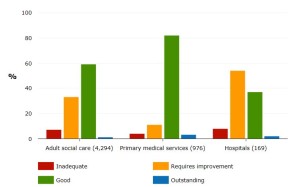
Three in four NHS hospitals are unsafe, official watchdogs warned last night…In an alarming report, they said casualty cases had been left in makeshift huts outside A&E. Other patients were given the wrong drugs or illegally sedated…Care Quality Commission also warned of a culture of bullying and blame, with staff scared to raise concerns or admit blunders…The report came on the day that an NHS whistleblower was named by his shameless bosses. The professor had revealed that dozens of patients were needlessly put through the agony of chemotherapy…The most comprehensive NHS assessment ever, the CQC’s 120-page report covers 150 hospitals. A shocking 74 per cent were graded either ‘inadequate’ or requiring ‘improvement’ in terms of patient safety.
- Valeant subpoenaed by US prosecutors over drug pricing (reuters.com)Valeant Slumps as U.S. Prosecutors Issue Subpoenas on Prices (bloomberg.com)
Valeant Pharmaceuticals International Inc, under fire for price increases of its two heart drugs, said it was subpoenaed by U.S. prosecutors on its pricing, drug distribution and patient assistance programs…. The company, which came under attack from Democratic lawmakers in late September over "massive" price increases, said it was reviewing subpoenas from the offices of attorneys for the District of Massachusetts and the Southern District of New York…Valeant had tripled Isuprel's price and raised Nitropress price more than six times after buying them in February.
- Who’s Up Next? More Pharma Companies Expected To Settle Foreign Bribery Cases (forbes.com)

Now that Bristol-Myers Squibb has settled its foreign bribery case with the US government, speculation has turned to which pharma company will be next…Department of Justice will being putting a bigger squeeze on companies…the department is adding to the resources devoted to investigating foreign bribery cases and is focusing on large-value, high-impact matters…Glaxo is a leading example. It paid the largest healthcare fraud settlement ever – $3 billion – to the US in 2012 to resolve criminal and civil allegations of improper marketing practices...Glaxo’s Chinese subsidiary paid nearly $500 million to China after a court found the local subsidiary guilty of bribing healthcare officials. Glaxo is likely to pay millions more to settle bribery charges as both US and UK regulators are investigating the drugmaker’s practices in China, Poland, Jordan and Lebanon.
- D.E.A. Effort to Curb Painkiller Abuse Falls Short at Pharmacies (nytimes.com)DEA’S Prescription Drug Take-Back Effort-- A Big Success (dea.gov)
When the Drug Enforcement Administration announced last year that pharmacies nationwide could accept and destroy customers’ unwanted prescription drugs, experts in substance abuse called it a significant step toward easing the painkiller and heroin epidemic…the response has been insignificant…about 1 percent of American pharmacies have set up disposal programs, with none of those belonging to the two largest chains, CVS and Walgreens, which have balked at the cost and security risks… at least eight states, including New York, have laws that forbid pharmacies to take back controlled substances…D.E.A. has held 10 so-called take-back days — with the latest on Sept. 26 — these have collected 2,400 tons of pills, limited research suggests that the vast majority are non-controlled medications…
- Investigation Reveals FDA Was ‘Lax’ In Approving Blood Thinner Pradaxa (ibtimes.com)Drug Problems: Dangerous Decision-Making at the FDA (pogo.org)
…nonpartisan watchdog group called Project on Government Oversight published a report…that highlights flaws in the FDA’s 2010 approval of Pradaxa…group says this case study is a "cautionary tale" for U.S. legislators considering the 21st Century Cures Act which aims to expedite the drug approval process…Food and Drug Administration was "lax" and "permissive" in its approval…analysis suggests the FDA rubber-stamped the drug on the basis of a single poorly designed clinical trial that overlooked safety concerns…damning report comes at a time when Congress is considering the 21st Century Cures Act…
- UK healthcare workers back pharma payments disclosure (pharmatimes.com)

..majority of healthcare professionals in the UK support greater transparency on payments received from pharmaceutical companies, but some feel the move could make working with the industry more difficult…87% agreed that payments from pharma to individually named healthcare professionals should be disclosed…32% of healthcare professionals surveyed feel the disclosure of individual payments is unnecessary, while 26% believe that doing so will adversely affect medical innovation… survey results come as pharmaceutical companies gear up to unveil payments and other ‘transfers of value’ …on a publicly accessible database…the new ‘Sunshine rule’, which comes into force next year, NHS staff who fail to disclose perks received from drug companies could face being disciplined, dismissed or even sent to jail for breach of the Bribery Act.
- USDA awards first manufacturing contracts for bird flu vaccine stockpile (reuters.com)
Department of Agriculture…said it has awarded contracts to two drug companies to manufacture doses of avian influenza vaccine for poultry, in preparation for the potential return of the fast-spreading avian influenza virus later this year…The two contracted firms - Iowa-based Harrisvaccines, and France-based Ceva Corp. - will manufacture an undisclosed number of vaccine doses…The agency's Animal and Plant Health Inspection Service has not approved the use of an avian influenza vaccine in birds, and has not made a decision whether to use such vaccines in a future outbreak..
- The Merging of Medical Products: Enhancing review of therapeutic and diagnostic combination products (blogs.fda.gov)
Combination products – medical products that do not fit into the traditional categories of drugs, devices, or biological products – are a growing and important category of therapeutic and diagnostic products under FDA’s regulatory authority…These products, that combine drugs, devices, and/or biological product ("constituent parts") with one another… Products in this category range from familiar products such as prefilled syringes and surgical kits to novel and innovative products, which target and enhance therapies. Examples of groundbreaking combination products include antibodies combined with drugs for targeted cancer therapy and products that mimic or replace organs, such as an artificial pancreas….we’re taking a number of steps to clarify regulatory requirements and improve our internal processes and IT systems.
- Issuing more guidance for review of combination products (e.g., our pending draft guidance document on human factors);
- Enhancing and simplifying data access and sharing for internal staff;
- Making it easier for staff to request and monitor inter-center consults;
- Updating and maintaining our internal contact directory for experts to review a combination product; and
- Improving our internal standard operating procedures for premarket reviews and compliance activities.
- Nevada State Board of Pharmacy – October 2015 Newsletter (bop.nv.gov)
- Counseling Revisited Omnibus Budget Reconciliation Act (OBRA) of 1990.
- FDA Issues Warning About Name Confusion for Brintellix and Brilinta
- Seven Persistent Safety Gaffes in Community/Ambulatory Settings That Need to Be Resolved! Institute for Safe Medication Practices
- FDA Advises Caution Against Codeine for Treating Colds in Young Patients
- Daytrana Patch May Cause Permanent Skin Color Changes, FDA Warns
- Baxter International, Inc, Recalls Three Lots of IV Solutions Due to Particulate Matter
- FDA Warns Against Unapproved Prescription Ear Drops
- Acino Products in New Jersey Ordered to Stop Selling Rectacort-HC and GRx HiCort 25
- President Basch!
- Update From Medicaid Pharmacy Dispensing Fee Increase and Pricing Methodology Using NADAC Files
- Reminder – October 2015 Is Renewal Time for Pharmacists
- India battles big pharma over cough syrup abuse, reducing supplies (reuters.com)
Indian regulators are privately pressuring major drug firms to better police how they sell popular codeine-based cough syrups to tackle smuggling and addiction, a move that is reducing supplies of a medicine doctors say is an effective treatment…India's Cipla stopped making the product last year owing to regulatory demands, and Abbott Laboratories and Pfizer have had to reduce batch sizes...Regulators want to make it easier for law enforcement agencies to track cough syrup abuse in the country and bottles smuggled to neighboring Bangladesh...Abuse is... common in Bangladesh. At a treatment center…tales abound of ruined careers and family struggles. A 40-year-old former banker at the Bangladesh Rehabilitation and Assistance Center for Addicts said his addiction was so bad he felt he loved cough syrup more than his four-year-old son.