
- FDA seeks suspension of 4,402 illegal prescription drug websites (reuters.com)

The U.S. Food and Drug Administration said...along with international authorities, has formally sought to suspend 4,402 websites that illegally sell potentially dangerous, counterfeit or unapproved prescription drugs to U.S. consumers...The move is part of a global effort being led by the INTERPOL...to identify the makers and distributors of illegal prescription drugs...the FDA said it has also issued warning letters to operators of 53 websites that illegally sell unapproved and misbranded prescription drug products to U.S. consumers...Preliminary findings...showed U.S. consumers had purchased certain unapproved drug products from abroad to treat depression, narcolepsy, high cholesterol, glaucoma, and asthma, among other conditions...
- Senators ask drug makers to explain prices for opioid overdose antidote (statnews.com)

In the latest attempt to combat prescription drug abuse, two US senators want several drug makers to explain their pricing for naloxone, a decades-old drug that is widely used to reverse the effect of opioid and heroin overdoses...The move comes amid ongoing reports that the cost of the treatment continues to rise, despite bitter complaints from public officials. At the same time, public health officials cite a growing number of overdose deaths…In identical letters to five drug makers...(Amphastar Pharmaceuticals, Mylan Laboratories, Kaleo, Adapt Pharmaceuticals, and Pfizer-Hospira)...the Senate Special Committee on Aging, wrote that they are concerned that rising prices...They asked what the companies are doing to ensure access to their treatments...
- Pharma Deals Reviewed at Much Higher Rates, BNA Study Finds (bloomberg.com)

Pharmaceuticals deals are being reviewed much more often than other mergers at the Federal Trade Commission, according to an analysis...from the FTC...Drug company acquisitions -- vilified as a key driver of price increases that hurt consumers -- were scrutinized twice as frequently as other mergers in 2013 and about four times more in 2014...they were reviewed at roughly three times the rate of other mergers in 2015. Most of the acquisitions ultimately won approval because the agency could assuage concerns with targeted asset sales...Pharmaceuticals is a narrow area with many sub-markets that each have a lot of consumer impact, prompting the frequent reviews. Any two companies are likely to have at least some overlap in an area that requires a more careful look than the boilerplate reporting information provides – including information about drugs in the pipeline that might compete in the near future...pharmaceutical industry has "experienced significant merger activity in recent years" and that the FTC ...continues to carefully review mergers between pharmaceutical manufacturers and require divestitures where necessary to maintain competition...The Commission is committed to enforcing the antitrust laws in pharmaceutical markets to promote competition and prevent conduct that is likely to harm consumer welfare...
- Money-back guarantee: the new trend in drug and device marketing (statnews.com)

Imagine buying a new car only to learn that it doesn’t work as advertised and there’s nothing you can do about it. That’s essentially what happens when you take a pricey medication...there’s no guarantee it will work and you won’t get your money back if it doesn’t...In most realms of commerce, if a product fails to deliver what’s been promised, consumers are financially covered through refunds and warranties. This has never been the case with pharmaceuticals...to stem the growth of health care costs, hospitals, private insurers, governments, and other purchasers of these products are resisting price increases and the introduction of expensive new products. They are also looking for more evidence of effectiveness. At the same time, drug and device makers need new ways to convince skeptical payers that their products are worth the price….If the product doesn’t work as intended, you don’t pay...Cigna has announced signing contracts for two new cholesterol-lowering drugs that would reduce the price paid if real-world outcomes don’t match the results of clinical trials. Cigna will be given access to patients’ cholesterol levels and be able to tell how well the new drugs are working.
- Valeant scrambles to restructure Walgreens deal (cnbc.com)
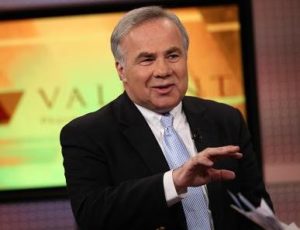
Valeant is attempting to restructure a deal with Walgreens after warning it is losing money on a large chunk of medicines sold through the chain of U.S. drugstores...The Canadian drugmaker will consider terminating the agreement within months unless the situation improves...Valeant...slashed its annual profit forecasts for the third time in six months, a move it blamed in part on its deal with Walgreens, which dispenses many of its best-selling medicines...Walgreens is filling prescriptions for some of the company's top drugs without first ensuring that the patient's health insurer will pay for them, resulting in losses for Valeant...Stefano Pessina...who runs Walgreens...negotiated a very favourable deal for Walgreens in exchange for supporting the drugmaker, which was reeling from the accounting irregularities, as well as a political outcry over the high price of its medicines...about a quarter of Valeant drugs sold through Walgreens are being dispensed without securing this "prior authorisation"...(Valeant)...would consider terminating the agreement with Walgreens unless things improve quickly, and believes that a "material adverse change" clause in the contract would provide legal cover...
- Hope for Sarepta drug approval? FDA requests more data (statnews.com)
In the latest twist surrounding Sarepta Therapeutics and its rare disease drug (eteplirsen), the Food and Drug Administration has asked the company to provide additional data to review, a move some see as a sign that the agency is looking for ways to approve the treatment. Shares in Sarepta...jumped more than 25 percent...The request comes amid ongoing uncertainty over the fate of a medicine being developed to combat Duchenne muscular dystrophy, which destroys muscle fibers and eventually confines boys to wheelchairs before sending them to an early death...The controversy increasingly resembles the fracas over HIV drugs three decades ago...the FDA appears caught between its mandate to adhere to scientific standards for approving medicines and finding ways to appease the public and authorize treatments for unmet medical needs.
- Independence of compliance reviews is questioned in drug firm settlements (reuters.com)

Some major U.S. drug companies have hired their own auditors to perform compliance reviews mandated in government settlements over alleged civil violations, such as paying kickbacks or off-label drug promotion, according to federal records...Third-party compliance reviews are playing an increasingly large role in helping the government ensure companies fulfill their obligations in federal settlements...Some lawmakers and legal experts say that practice creates conflicts of interest and could impair outside reviewers' independence...Susan Gillin, an attorney in the inspector general's office, said she agreed that "theoretically, a potential conflict of interest exists."...But she said her agency has not observed any problems with weak oversight by auditors serving in dual roles. Such arrangements are allowed, she said, as long as the firm is not involved in corporate management or advising on policies it will also review...Senate Judiciary Chairman Charles Grassley...said such arrangements could weaken enforcement..."If the firms enforcing the agreements aren't independent,"...that "defeats the purpose of the agreements."
- Troubled Teva plant in Hungary faces an FDA crackdown (statnews.com)

The latest broken link in the pharmaceutical supply chain has appeared in Hungary, where Teva Pharmaceuticals has suspended production at a plant following a crackdown by the US Food and Drug Administration...The drug maker voluntarily halted work at its Godollo facility, which makes sterile injectable medicines, as "a precautionary measure" shortly after FDA inspectors visited last January...The company is "working around the clock to restart manufacturing operations as soon as possible,"...The shutdown only came to light after Hungarian regulators late last week issued a notice in an attempt to address concerns about drug shortages...The disclosure by Hungary’s National Institute of Pharmacy...came several days after the FDA also issued a so-called import alert, which is a notice about products that are banned from entering the United States. The FDA alert cites issues with good manufacturing practices, a regulatory term for minimum standards, but specific problems were not disclosed...the episode underscores the ongoing challenges that even the largest drug makers face in maintaining their plants...
- Drug makers pay $67 million for misleading docs about cancer drug survival data (statnews.com)

Two drug makers — Roche’s Genentech and OSI Pharmaceuticals — announced a deal...to pay $67 million to resolve charges they made misleading statements about the effectiveness of the Tarceva drug to treat non-small cell lung cancer...between 2006 and 2011, the companies gave promotional materials to oncologists that included misleading and overstated survival data to influence prescribing. The drug was originally approved by the US Food and Drug Administration as a second-line or back-up treatment, but the inflated data prompted some doctors to use Tarceva as a first choice, which boosted usage...the feds contend the companies violated the False Claims Act, because federal health care programs, such as Medicare and Medicaid, overpaid for the medicine…The infractions came to light thanks to a whistleblower lawsuit that was filed by Brian Shields, a former Tarceva senior product manager. His 2011 lawsuit described an elaborate scheme that was used to bolster Tarceva prescriptions, including kickbacks purportedly paid to physicians...
- Drugmakers can’t charge beyond making costs for compassionate use: FDA (reuters.com)
Food and Drug Administration said companies could only charge patients for the cost of manufacturing experimental treatments used under compassionate grounds, and it cannot force government or private health insurers to pay for these drugs..."Compassionate use" of experimental drugs allows physicians to prescribe unapproved treatments for patients who have no other satisfactory alternatives in the market...The FDA's move seems to be intended to soften the repercussions of its possible rejection of Sarepta Therapeutics Inc's muscle-wasting drug (Duchenne muscular dystrophy)...FDA last week deferred its decision on whether to approve Sarepta's drug, eteplirsen, after an advisory panel determined that the treatment was not effective...The FDA is trying to create a compromise, saying drug companies can charge for a drug even if its not approved...Sarepta's drug has been in the spotlight over the past few months with patient groups and parents arguing passionately in favor of the treatment to pressure the regulator to approve the drug.