
- Drug Price Control: How Some Government Programs Do It (commonwealthfund.org)
The federal government already has several tools for reducing the prices of drugs it buys...The VA and DOD pay drug prices that are roughly half as much as those paid by retail pharmacies...Drug pricing is having its moment. Proposed treatments for the drug pricing epidemic are varied, but some call for government to do more...While others resist the idea of government involvement, the federal government, in fact, already employs a number of effective tools for reducing the prices of drug purchased by certain public programs. These fall into two broad categories:
- Price controls, usually in the form of required discounts off of the average price paid by other purchasers.
- Negotiated pricing, in which the government wields its market power to bargain for favorable rates from pharmaceutical suppliers.
These strategies do not exhaust the available approaches, nor are they necessarily the most desirable...The Programs:
- Medicaid
- Veterans Health Administration and the Department of Defense (DOD)
- 340B Program
The bottom line is that the government can and does get better deals on drugs than private purchasers. The effects of these policies on quality and innovation need to be better understood—but were the government to expand them, it would be more of an evolution than a revolution.
- FDA generics backlog improves, although criticism continues (drugtopics.modernmedicine.com)
While many groups are criticizing the FDA's backlog of generic drug approvals, the agency said the situation has improved...In December 2015 alone, OGD (Office of Generic Drugs) issued 99 approvals and tentative approvals...the most approvals and tentative approvals granted in a single month since the start of the generic drug program...FDA’s Office of Generic Drugs awarded 580 generic drug approvals and 146 tentative approvals in 2015...the Campaign for Sustainable Rx Pricing...is pressing legislators to grant FDA more resources, to allow quicker processing of generic drug applications. The group's members include AARP, ASHP, numerous health plans, providers, and Walmart...The FDA faces a backlog of nearly 4,000 generic drug applications, yet approval times can be three or more years...The FDA should be provided necessary resources to clear this backlog and prioritize generic drug approval applications...
- Valeant forms internal committee to oversee drug pricing (reuters.com)
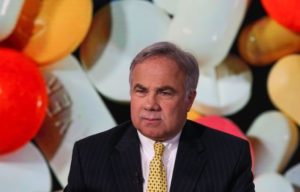
Valeant Pharmaceuticals International Inc, which has acknowledged mistakes in its drug pricing practices amid U.S. congressional probes, said on Thursday it has formed a new committee to oversee pricing of the company's drugs...The Patient Access and Pricing Committee will initially be chaired by Joseph Papa, Valeant's new chairman and chief executive officer... the committee will review the pricing of Nitropress, Isuprel, Cuprimine and Syprine...Valeant raised the price of Isuprel by about 720 percent and Nitropress by 310 percent...Prices of the other two drugs, used to treat a genetic disorder that causes copper to build up in the body's organs, were raised by 5,878 percent and 3,162 percent, respectively...This new committee will take a disciplined approach to reviewing the company's pricing of drugs, and will consider the impact on patients, doctors, and our health care industry partners...
- Traders: How to play sagging biotech stocks (cnbc.com)
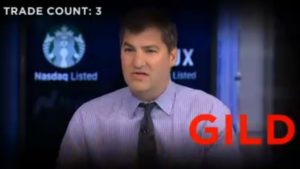
Biotech stocks dragged on the market Friday, and some "Fast Money" traders contended that the pain may not be done...Gilead Sciences shares sank 9 percent on the day, after the pharmaceutical company posted earnings and revenue Thursday that fell short of expectations. The iShares Nasdaq Biotechnology ETF (Exchange Traded Funds), meanwhile, dipped 2.7 percent on Friday...that investors need to be "careful" choosing biotech stocks amid headwinds like the ongoing criticism around drug pricing...Trader Guy Adami was also cautious on the sector, saying he would not buy any of its stocks until the biotech ETF cracks $285 per share. It closed at about $268 on Friday...
- Ex-FDA head and Sanofi call for harmonized drug regulation (reuters.com)The need for global regulatory harmonization: A public health imperative (stm.sciencemag.org)
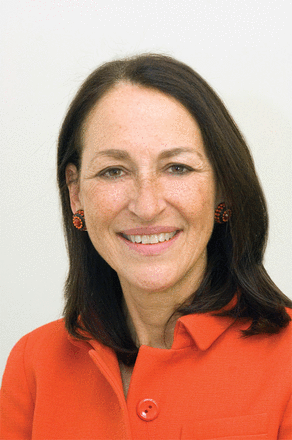
Margaret Hamburg
Drug regulation has failed to keep up with a globalized world and governments should harmonize oversight to improve patients' access to new and innovative medicines...That is the view of the former leader of the U.S. Food and Drug Administration, the world's top drug regulator, and the research head of French drugmaker Sanofi, who made a joint plea to governments for action...Margaret Hamburg, who led the FDA until 2015, and Elias Zerhouni said there was an urgent need to harmonize a "mosaic of regulations" in different countries, and they called for the issue to be taken up at the G8 or G20 groups of nations..."Essentially, it is a hidden bureaucratic inefficiency tax on the whole effort of finding new and valuable therapies," he said in a telephone interview...Drug development is global and we need to have safety and efficacy data globally, so we should have a global system, just like with airplanes...Sanofi was spending around 20 percent of its research and development budget on ensuring convergence between different systems, often involving duplication of efforts.
- UPDATED: Merck KGaA expands viral, cell therapy production capacity in U.S. (fiercepharma.com)

Merck KGaA wants to be a go-to company to help others develop and manufacture gene-related therapies and will expand its campus in Carlsbad, CA, by nearly 50% as part of that effort...The German company’s MilliporeSigma unit said...it will add about 21,000 square feet to the facility...The expansion...will leave it with 16 modular viral bulk manufacturing cleanroom suites, two fill/finish suites and twice the warehouse capacity. The expansion will incorporate single-use equipment in a flexible, scalable format for clinical and commercial bulk drug production...Merck considers the Carlsbad site its flagship for viral and gene therapy work...
- Sanofi, Amgen cholesterol drugs win UK backing after price cuts (reuters.com)
Two rival cholesterol-lowering injections from Sanofi and Amgen have been recommended by Britain's healthcare cost watchdog after the manufacturers offered special discounts to the country's state-run health service...Sanofi's Praluent (alirocumab)...and Amgen's Repatha (evolocumab) are both so-called PCSK9 medicines...The National Institute for Health and Care Excellence said in draft guidance on...that both drugs could be considered for use by people whose cholesterol is still not under control despite trying other treatments...It stressed that the medicines would only be cost-effective with the promised discounts...Both drugs cost more than 4,000 pounds ($5,780) per patient a year in Britain. That is already a lot less than their U.S. list price of around $14,000, but Sanofi and Amgen have committed to discount the British price by a further undisclosed amount for the UK National Health Service
- Walgreens sending medical marijuana smoke signals? (drugtopics.modernmedicine.com)What is Medical Marijuana? Clarifying Clinical Cannabis (staywell.walgreens.com)
Walgreens’ posting of a seemingly sympathetic blog about the use of medical marijuana has created quite a buzz, with some online observers speculating the retail chain has its sight on that lucrative industry...But a Walgreens spokesperson insists the chain has not taken a stance on the use of medical marijuana and cautions people against reading too much into the blog posting. Pharmacies cannot legally dispense medical marijuana...The blog, entitled "What is Medical Marijuana? Clarifying Clinical Cannabis," was written by Dahlia Sultan, who is a resident pharmacist at Walgreens and associated with the University of Illinois at Chicago...Sultan...suggests "marijuana provides pain relief in ways traditional medicines don’t" and "medical marijuana can improve appetite and relieve nausea in those who have cancer and may help relieve symptoms such as muscle stiffness in people who have multiple sclerosis."...Not surprisingly, the blog has attracted the attention of medical marijuana advocates. Some believe that pressure from giant retailers such as Walgreens could eventually convince the federal government to reclassify marijuana so that it could be dispensed by pharmacies...Jim Cohn, spokesperson for Walgreens, said that people shouldn’t read too much into the blog. "The content [of the blog] is strictly informative, and nowhere do we take any stance on the issue,"...
- Sanofi ready to up offer for drugmaker Medivation, could oust board (finance.yahoo.com)

Sanofi said it could raise its proposed $9.3 billion deal to buy Medivation if the U.S. cancer drugmaker engaged in talks, threatening to go directly to shareholders to oust the board if not...Sanofi Chief Executive Olivier Brandicourt wrote in a letter to the board of Medivation published on Thursday that the transaction was a priority for the French drugmaker and it was committed to seeing it through...Medivation said...it had received a letter from Sanofi that "simply restates an inadequate proposal that...substantially undervalues the Company, its leading oncology franchise, and innovative late-stage pipeline"...Medivation's first-quarter earnings missed most analysts' forecasts...company reported non-GAAP net income of 11 cents per diluted share, up from 8 cents a year earlier, but much less than the average 23 cents expected by analysts...Sanofi is keen to boost its presence in cancer treatments...Medivation, known for its Xtandi prostate cancer treatment...
- Colombia moves to override patent for Novartis cancer drug (statnews.com)

The Colombian health ministry plans to override a patent that Novartis holds on its widely used Gleevec cancer treatment, the latest clash between the pharmaceutical industry and some governments over intellectual property and access to medicines...The move...could prompt the government patent office to grant a so-called compulsory license to allow a generic company to make a lower-cost version of the drug...Compulsory licenses allow generic drug makers to make low-cost versions of brand-name medicines without the consent of the company holding a patent...a Colombian government committee explained that issuing licenses to other companies would be in the public interest by widening access and saving health care dollars. Issuing a license would "restore competition for this product in the Colombian market,"..."A Declaration of Public Interest leading to a compulsory license should never be used as a mechanism to force price negotiations,"..."This runs counter to the spirit and intent of a compulsory license and its legal framework, and would create a damaging precedent that could apply to all patent-covered innovations — pharmaceutical or otherwise."