
- Cancer patients may be overly optimistic about early drug trial participation (reuters.com)
People with cancer may overestimate the possible benefits to them of participating in an early trial of a new medicine, even after talking with a doctor about what to expect, according to a new study from the U.K...So-called phase 1 trials of experimental treatments are intended to test the drug's safety. Just 4 percent to 20 percent of participants may see their cancer respond to the drug…But among cancer patients surveyed while they were considering taking part in an early drug trial, between 40 percent and 50 percent of patients thought their tumors would shrink. That was true both before and after talking with doctors, researchers found...These expectations don't correspond to what cancer patients typically experience during those early cancer trials...A lot of people would say patients are misinformed, and I think a lot of it is patients don’t want to lose hope...
- Survey: 97% plan to use digital health tech in trials over next five years (outsourcing-pharma.com)
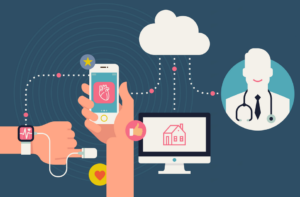
According to survey results, published by Validic, more than 60% have used digital health technologies in clinical trials, and more than 97% plan to use such tools more over the next five years…Validic director of marketing told us...Medication adherence has always been a top priority for pharma, which is not surprising given the close correlation between participants’ compliance and the ability to get a drug to market faster and more cost effectively...Given advancements in technology, remotely tracking and monitoring prescription compliance has not only become a reality, but also an increased priority for pharma...As more evidence is available and sponsors continue to realize real-time, objective adherence data enables adaptive trial design and the ability to confidently make adjustments to protocols, we expect to see the interest in adherence technologies continue to rise…mobile applications have been a popular “entry point” for companies looking to being using digital health, “but we’re expecting to see greater use of wearables and sensors in the near-term...the respondents are most interested in reducing trial costs, while also being able to effectively demonstrate a drug’s efficacy in the real world...
- Allscripts subsidiary 2bPrecise looks to inject genomics into EHR workflow for precision medicine (healthcareitnews.com)
...2bPrecise (subsidiary of Allscripts) is conducting an early adopter program at the National Institutes of Health...The goal is to take clinical and genomic information and make it actionable, structured, machine-readable and machine-learning for physicians. And then take those results and inject the relevant information back into workflows...We focus on the last mile of genomics and cross-collating clinical info with genomics and bring it to the point-of-care...With NIH, we’re putting this to the test and demonstrating the value of genomics in clinical and research activity…People are recognizing genomics is needed, powerful and useful...What’s missing are regulations and reimbursement around this type of data. As healthcare continues to move into this space, I think we’ll see another spike in interest, with a huge level of interest and motivation to try to use genomics more…
- California governor decries ‘predatory’ pricing as he signs law to make EpiPen available (statnews.com)

For all intents and purposes, California Governor Jerry Brown held his nose...as he signed a bill that allows state agencies and businesses to keep EpiPen devices on hand for emergencies...While Brown readily acknowledged that EpiPen is a lifesaver for people with allergic reactions, he simultaneously issued two letters — one to the California State Assembly and the other to US Senate and House leaders — to complain about “predatory pricing” by the manufacturer, Mylan Pharmaceuticals...“I cannot take this action without registering my strong objection to the bill sponsor’s recently reported pricing maneuvers,” he wrote in one of the letters in which he referred to a successful lobbying campaign by Mylan to urge states to make EpiPen widely available...
- Faster registration, more transparency punctuate new HHS clinical trial final rule (medcitynews.com)

The Department of Health and Human Services issued its final rule on submitting registration and summary results to clinicaltrials.gov. In a nutshell, the new guidelines define which clinical trials must be registered and when, how results should be reported (and when) and potential penalties for non-compliance...The rule seeks to clarify the Food and Drug Administration Amendments Act of 2007, which left significant room for interpretation...Enhancing access to clinical trial information means more useful data for patients and scientists. People who have exhausted their treatment options may have more access to experimental therapies. Scientists can build on trial success and avoid failures...Overall, the rule is getting good reviews for its effort to increase transparency and respond to systemic flaws...It reflects that we have this learning healthcare system, which is what we want...We want laws that learn, that take feedback and are able to understand what is working and what is not working and be amended in order to work better...
- Hard to swallow: emerging markets get tougher for drugmakers (finance.yahoo.com)

Emerging markets have lost their luster for Big Pharma making drug firms ever more dependent on the United States for growth just as American anger over high medicine prices is building...A few years ago, the developing world was seen as a savior as patent after patent expired across the United States and Europe, but emerging market sales growth at the top drug firms slowed to less than two percent in the latest quarter...Forecasts...now suggest the United States will account for 55 percent of sales growth between 2016 and 2020, with emerging markets only contributing 30 percent...Many companies' sales in developing economies come from so-called branded generics, or off-patent medicines that command a premium to those made by local suppliers because the Western drugmaker's name is a proxy for quality...That business is now under threat as governments promote cheaper unbranded products as a route to universal healthcare...There is a lot of emphasis on providing essential medicines, which is providing growth for cheap local generics but not necessarily for multinational companies…
- GSK cuts vaccine price for refugees, bowing to pressure (reuters.com)
GlaxoSmithKline is cutting the price charged for its pneumococcal vaccine when given to refugees, following complaints about the product's "exorbitant" cost by medical charity Medecins Sans Frontieres...The British drugmaker said...it would provide Synflorix, which protects children against pneumonia and other diseases, at a discounted price of $3.05 per dose to recognized civil society organizations...In Greece, MSF said it had been forced to pay 50 pounds ($65) a dose in local pharmacies in order to vaccinate thousands of refugee children fleeing from conflicts in Syria, Iraq and Afghanistan...GSK said its offer was made on the basis that others would not seek to reference the special price, which is intended solely to support refugee populations...Previously, the low price of $3.05 price has only been available to the world’s poorest countries.
- Drugmakers agree to clean up plants, take other steps to fight antibiotic resistance (fiercepharma.com)Industry Roadmap for Progress on Combating Antimicrobial Resistance – September 2016 (ifpma.org)
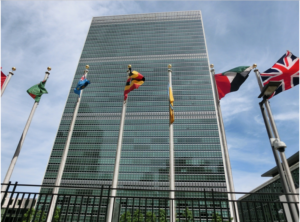
More than a dozen pharmaceutical companies from Big Pharma players to CMOs have agreed to take steps to fight antibiotic resistance, including reviewing their manufacturing and supply chains and working on standards for cleaning up antibiotic waste discharge...The agreement was announced this week as part of a United Nations meeting...where antibiotic resistance was said to be one of the pressing issues facing the world. It is a pharma specific follow-up to the broader Davos Declaration signed by about 100 companies during meetings early this year...Three other steps the 13 drug companies agreed to take are to help ensure antibiotics are used only by patients who need them; to improve access to current and future antibiotics, vaccines, and diagnostics while working to reduce the prevalence of substandard and counterfeit antibiotics in high-risk markets; and to look for places to cooperate in developing new antibiotics…Though the commitment may be there, history has shown this to be a tough issue with which to deal...
- Lawmakers grill Mylan CEO over EpiPen steep price increases (msn.com)
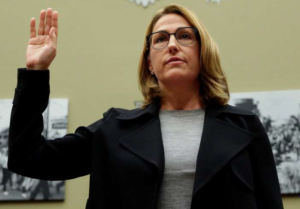
Mylan NL CEO Heather Bresch is sworn in before a House Oversight and Government Reform Committee hearing in Washington
U.S. lawmakers...blasted Mylan NV Chief Executive Heather Bresch for sharply increasing prices for the EpiPen emergency allergy treatment at a congressional hearing in which Republicans and Democrats questioned the reasons behind rising U.S. drug costs...The House Committee on Oversight and Government Reform called Bresch to testify in the wake of public outrage over EpiPen, whose list price has risen to $600 for a pair of the devices compared with $100 in 2007...Lawmakers in turn described the actions as "sickening," "disgusting" and showing "blatant disrespect" for American families who can no longer afford the life-saving device for children susceptible to severe allergic reactions...At several points, they cut off Bresch's efforts to explain the intricacies of U.S. pharmaceutical pricing, including how health insurers and other payers take a percentage of treatment sales...
- Why Healthcare is a ‘Sitting Duck’ in Data Protection Measures (healthitsecurity.com)

Healthcare organizations and manufacturers are very vulnerable when it comes to their data protection measures, according to the Intel Security 2016 Data Protection Benchmark Study...While the gap between data loss and breach discovery is increasing, healthcare organizations are “sitting ducks,”...the typical data loss prevention approach is increasingly ineffective against new theft targets...Not only is data getting outside of company control, it has probably been used or sold before the theft is noticed...Discovering and preventing breaches internally requires a better understanding of who is behind these thefts, what they are most likely to steal, how they are getting the data out, and the most effective steps to take to improve data loss prevention systems and processes...Healthcare is likely a top target because it holds desireable information - PHI and intellectual property. At the same time, healthcare typically has weaker systems that can be easier for hackers to access...