- Patients give Hy-Vee’s Amber Pharmacy high marks (chaindrugreview.com)
Hy-Vee Inc. subsidiary Amber Pharmacy ranked the highest out of all U.S. specialty pharmacies in patient satisfaction with pharmacy staff in a survey conducted by Zitter Health Insights...Fielding responses from more than 3,000 patients across 38 U.S. specialty pharmacies, the...survey assessed a range of aspects of patient satisfaction. Amber said that its pharmacists, nurses, pharmacy technicians and billing department scored 100%, and its customer service representatives scored 95%...A key component of the survey was the Net Promoter Score, an index of 1 to 100 that gauges patients’ willingness to recommend their pharmacy to others. Amber said its NPS across all categories was 74, the second-highest score of all pharmacies assessed...The...survey also assessed patient satisfaction in therapeutic categories...Amber led the transplant category with an NPS of 83 and was among the top two pharmacies in the oncology and rheumatoid arthritis categories.
- 8 Things to Know About Biosimilars (medscape.com)

With the recent US Food and Drug Administration approval of a fourth biosimilar medication, these compounds remain a hot topic in many areas of medicine, including nephrology, oncology, endocrinology, gastroenterology, and rheumatology…Despite the growing body of knowledge about biosimilars—and despite their increasing coverage in peer-reviewed journals and presentations—a recent Biosimilars Forum press release reveals that more physician education is needed about these medications...
- What Are Biosimilar Medications?
- What Is the Approval Process of Biosimilars?
- How Many Are Approved, and for What Conditions?
- What Does 'Interchangeable' Mean?
- What Is Extrapolation?
- Are Biosimilars Safe, and Can They Be Trusted?
- Do Patients Know and Trust Biosimilars?
- How Do the Costs of Biosimilars Compare to Biologics?
- This Week in Managed Care: November 23, 2016 (ajmc.com)
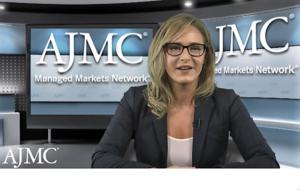
Sara Belanger with The American Journal of Managed Care. Welcome to This Week in Managed Care from the Managed Markets News Network
- Software as a Drug (thehealthcareblog.com)

What if your spouse were a borderline Type 2 diabetic? If you had the money, you could hire someone to follow her or him around the clock, sort of like a glorified personal trainer. Your spouse would make sure he or she took a daily mile-long walk, did some weight training to build muscle mass and would stop you from eating ice cream or cake or drinking a glass of wine...A good idea – but too expensive, right?...It doesn’t have to be, because a new and highly efficient modality – digital therapeutics – has entered the picture. Commonly referred to as “software as a drug,” digital therapeutics relies on software to similarly deter your spouse from becoming diabetic – in tandem with online coaches, electronic messages and the use of social networks...Most digital health companies deploy software modules as an enhancement, or even a substitute, to a prescription drug. They are affordable and effective and poised to become a critical component of digital health, thereby substantially improving the efficiency of American healthcare. Digital therapeutics is already roughly a $500 million market and positioned to balloon into a $6 billion market…
- Teva inks trailblazing cannabis pact with Israel’s Syqe Medical (fiercepharma.com)

Teva has struck a new marketing agreement, and it’s one that’ll help the Israeli drugmaker blaze a new trail in the drug industry...The pharma has inked a pact that will make it the only distributor in Israel of local company Syqe Medical’s cannabis inhaler, the companies...without disclosing any financial data on the agreement. Teva will also help Syqe set up a support and instruction team of nurses for patients and healthcare providers...Israel boasted about 26,000 medical cannabis consumption licenses—a figure that’s expected to double by 2018...And with licensed patients spending an average $100 per month on cannabis, the revenue potential is there for Teva if the company can get the inhaler selling.
- GAO Releases Compounding Report (iacp.site-ym.com)

The U.S. Government Accountability Office has published a report...on compounding entitled “ Drug Compounding – FDA Has Taken Steps to Implement Compounding Law, but Some States and Stakeholders Reported Challenges.”
- Pharmacy Week in Review: November 23, 2016 (pharmacytimes.com)
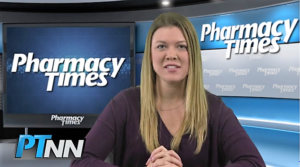
Kelly Walsh, PTNN. This weekly video program provides our readers with an in-depth review of the latest news, product approvals, FDA rulings and more.
- Pharma-to-physician social media and app marketing will soar by 2018: report (fiercepharma.com)

Pharma companies’ marketing communications to their target audience of healthcare providers are increasingly digital. That's not terribly surprising, considering the uptake in digital channels among physicians for professional use...What is changing…is the way pharma reaches doctors...In 2016 in the U.S., brand promotional emails, healthcare provider portals and key opinion leader webinars are the top three ways pharma companies reach out...by 2018, KOL webinars, social media and mobile apps will top the list, with social media and mobile apps growing the fastest, by 50% and 27%, respectively...Social media is a very powerful channel that can help in understanding the end consumers. It’s easy to make marketing decisions like segmentation, course of patient education, and influence adherence through listening and analysis of the social behavior...
- Drug errors ‘common in nursing homes but rarely serious’ (nursingtimes.net)
Medication errors remain fairly common in nursing homes but they appear to result in “surprisingly” low rates of serious impacts affecting residents, according to Australian researchers...researchers set out to assess the prevalence of medication errors leading to hospital admission and deaths in nursing home residents, and to determine the factors associated with these errors...They examined three types of errors – all medication errors, transfer-related medication errors, and potentially inappropriate medications...researchers found that medication errors were common, involving 16% to 27% of residents in studies examining all types of medication errors...Transfer-related medication errors occurred in 13% to 31% of residents, while 75% of residents were prescribed at least one potentially inappropriate medication...investigators noted that it was unclear whether medication errors resulting in serious outcomes were truly infrequent or are under-reported due to the difficulty in ascertaining them.
- Health-care ‘have-nots’: Nevada’s rural residents face fraying safety net (reviewjournal.com)

The dearth of hospitals is just one of the issues threatening the well-being of the roughly 300,000 Nevadans who...live in small towns like Tonopah and other rural communities. A shortage of medical professionals, an increasingly strained emergency care network and escalating costs of health care are threatening to turn them into health-care "have-nots" who pay a steep price for their rural lifestyle...The problem is not limited to Nevada. Across the nation, residents of rural areas are experiencing health-outcome disparities, including "higher incidence of disease and disability, increased mortality rates, lower life expectancies and higher rates of pain and suffering...Rural residents are themselves a public health challenge, as they are generally older, more isolated and less likely to be covered by insurance than their urban counterparts. They’re also more likely to smoke, suffer from obesity and hypertension and die from complications of diabetes.