
- 13 Smart Ways to Cut High Drug Costs (time.com)

Your medicine may come with a new side effect: financial pain. Prescription-drug spending grew 12.2% in 2014—five times as fast as the year before—according to the Centers for Medicare & Medicaid Services. And the sickest Americans bear the biggest burden. Some 43% of those in fair or poor health say it’s somewhat or very difficult to afford their medications, and 37% say they’ve skipped out on filling a prescription because of cost...What has changed? Generic drugs, long an affordable alternative to name-brand medicines, have become part of the problem. The average price of the 50 most popular generic drugs increased 373% between 2010 and 2014...One culprit is consolidation: After a decade of mergers, three big companies now control 40% of the generics market...Weaker competition means drug companies can charge your insurer more. Meanwhile, pricey new miracle drugs—like hepatitis C treatment Sovaldi are also a key factor forcing up overall medication costs...Fortunately, there are plenty of ways for you to save. By making strategic changes in the medications you take (with your doctor’s okay, of course), the places you buy them, and the insurance plan you elect, you may be able to shave 40% or more off your total prescription-drug costs this year. Here are the steps you need to take.
- Substitute generics for name brands.
- Combine pills—or split them.
- Check the formulary for your insurer’s favorites.
- Jump through your insurer’s hoops.
- Ask your plan to make an exception.
- Use mail-order options.
- Use a preferred drugstore.
- Beware of online pharmacy scams.
- Check your insurer’s formulary lists.
- Check for tricky deductibles.
- Price out Medicare options.
- Clip coupons.
- Ask for help.
- State tax on medical devices under fire (kolotv.com)
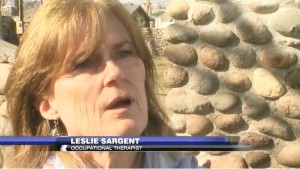
Leslie Sargent - occupational therapist
Devices like C-PAP machines or oxygen tanks are commonplace in some households. Often, patients leave the hospital and are told they need a medical device to help them throughout the home. That's where occupational therapist Leslie Sargent comes into play. She used to visit homes to make sure the patient was safe..."When I was working in home health, a lot of them couldn't afford the equipment at that time," says Sargent...Such practices...are only going to become more common in Nevada after a medical devices tax went into effect in January 2016. Essentially a sales tax, patients are now being taxed on devices that can be used on newborns all the way to hospice patients... Doug Bennett, Chair of the Board of Bennett Medical Services...along with 35 others statewide, is circulating a petition to have voters decide on the medical devices tax in November 2016. He says they are already halfway through getting the required signatures they need to get the measure on the ballot...If it ends up on the 2016 November ballot, and passes, voters will have to approve it again in 2018.
- Top 10 Business Tips for Pharmacy Owners from Billionaire Entrepreneur Kevin O’Leary (pharmacytimes.com)

Independent pharmacy owners face significant business challenges in a market dominated by large retail pharmacy chains...research has shown that 83% of all new pharmacies go out of business within an average of 2.5 years...Pharmacy Development Services recently brought independent pharmacy leaders together at its annual conference in Orlando, Florida, to discuss building business strength and solvency...In a keynote session called "How Truly Wealthy Entrepreneurs Secure Big Gains with Their Money," Kevin O’Leary, who’s also known as Mr. Wonderful on ABC’s "Shark Tank," candidly offered no-nonsense advice for independent pharmacy businesses to not only stay afloat, but also reach the next level of success...Specifically, he advised PDS attendees to abide by the following 10 tips that can help strengthen their businesses.
- Employees are valuable, but they aren’t your friends.
- Maintain a clear line of command.
- Be accessible.
- Delegate, delegate, delegate.
- Don’t procrastinate.
- Never pass the buck.
- Service trumps price.
- Use technology as a weapon.
- The boss shouldn’t necessarily make the most money.
- Business is war.
- McKesson extends reach into oncology space with two acquisitions (drugstorenews.com)

McKesson announced...that it has signed definitive agreements to purchase Vantage Oncology, a leading national provider of radiation oncology, medical oncology and integrated cancer care, and Biologics, an oncology pharmacy services company, in a pair of transactions valued at $1.2 billion...Collectively, these acquisitions will increase McKesson’s specialty pharmaceutical distribution scale, oncology-focused pharmacy offerings, solutions for manufacturers and payers and scope of community-based oncology and practice management services available to providers and patients...Vantage will broaden the company’s scale in radiation oncology management services, adding more than 50 cancer centers across 13 states. Vantage operates a practice management model through joint ventures and shares profits with their partner physicians and hospitals...Biologics...specialty pharmacy model provides controlled dispensing channels, including rapid and traceable pharmaceutical delivery solutions, increased analytics, and services for oncology patients...
- Pharmacy Students Push for Provider Status on Capitol Hill (ashp.org)
Nearly 50 students visited 31 congressional offices on Capitol Hill earlier this month as part of ASHP’s Student Advocate Training & Legislative Day. The two-day conference, also known as SSHPTakesDC, gives student pharmacists hands-on experience in how to directly affect public policy...the students made the case for provider status legislation, the Pharmacy and Medically Underserved Areas Enhancement Act (H.R.592 and S.314), by emphasizing how the pharmacy school curriculum and postgraduate residency training prepare future practitioners to be patient care providers...“I feel like we had a good impact,” said Winston Johnson, a third-year student at Palm Beach Atlantic University in West Palm Beach...Conference attendees also met with Rep. Earl “Buddy” Carter, the only pharmacist serving in Congress. Carter praised the students for their foray into advocacy and encouraged them to stay engaged in the political process. “Politics are important to our profession,” he noted...It’s so inspiring to see these ASHP student leaders in action, and it is clear after seeing their poise, passion, and professionalism during their visit to Capitol Hill that the future of the profession of pharmacy is going to be in very good hands...
- State oversight of compounding pharmacies varies dramatically (statnews.com)

Amid ongoing safety concerns over compounding pharmacies, a new analysis finds state oversight is a spotty patchwork of regulations, raising questions about the ability to protect the public health.
- Only about half of the states require compounding pharmacies that make sterile medicines, which are injected or infused into the body, to fully comply with recognized quality standards.
- 60 percent of the states do not require compounding pharmacies to report serious adverse events and reactions related to sterile compounding...
- 16 states reported they do not track compounding pharmacy activity at all.
- 28 states allow traditional compounding pharmacies as opposed to those that make large amounts of medicines for hospitals to provide drugs without prescriptions for individual patients. This practice conflicts with??federal law.
- nine states do not plan on taking any action, such as requiring compounders to register with the FDA or disciplining these businesses.
- 53 percent of the states conduct annual routine inspections for in-state pharmacies that perform sterile compounding.
- any issues discovered during an inspection, 79 percent of the states requires a written response from the pharmacy describing how the issues were addressed,
- 67 percent also need an additional on-site inspection to verify compliance.
- one-third of the states do not perform on-site follow-up inspections to verify needed changes.
- Most of the states...have the authority to issue cease-and-desist orders, but 70 percent also said they were unable to mandate a recall of compounded drugs or were unsure of their explicit authority.
- Shoppers Drug Mart posts 4Q same-store sales lift of 5% (drugstorenews.com)
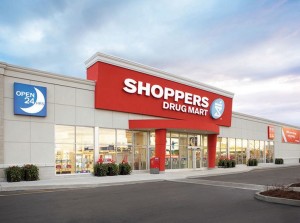
Loblaw...posted $33.6 billion in revenue for its year ended Jan. 2, a 6.5% lift with one week less of sales - Loblaw's fiscal 2015 represents 52 weeks while fiscal 2014 represents 53 weeks...I am pleased to report that we continued to deliver against our financial plan in the fourth quarter...The company continues to execute on its strategic framework and purpose...delivering the best in food, best in health and beauty, operational excellence and growth...this framework has positioned us to achieve our financial plan amidst a competitive environment and continued pressures from healthcare reform...For the fourth quarter, Loblaw's retail pharmacy arm Shoppers Drug Mart realized same-store sales growth of 5%, with same-store pharmacy sales increasing by 4.2% and same-store front-store sales increasing by 5.7%.
- The State of Provider Status: An Update for Pharmacy Students (pharmacytimes.com)
As the pharmacy landscape shifts and evolves, pharmacists across the country continue to work toward a common and crucial goal: gaining legislative recognition as health care providers...Gaining provider status is a complex and multifaceted objective, but at its heart is the exclusion of pharmacists from the Social Security Act. Exclusion of pharmacists from the SSA prevents many state and private health care plans from compensating pharmacists for patient care services...the omission of pharmacists from the SSA also creates barriers for Medicare beneficiaries who seek to utilize these services in outpatient settings...While provider status efforts are crucial to the pharmacy profession, they’re equally important to patients...Gaining ground in the states...a number of state laws passed in 2015 have given advocates much to celebrate.
- North Dakota Governor Jack Dalrymple signed into law 4 bills that expanded the role of pharmacists in the Peace Garden State and recognized them as health care providers...
- ...Washington Governor Jay Inslee’s signing of SB 5557...The first bill in the country to require the inclusion of pharmacists in health insurance provider networks...amends the state’s Every Category of Health Care Providers law, which obliges commercial health plans to include every category of health care provider within an individual’s participating provider network.
- ...Oregon governor Kate Brown signed HB 2028 into law...bill permits pharmacists to receive reimbursement for performing clinical pharmacy services, enabling them to more fully use their skills and knowledge to treat patients.
- ...the federal arena...federal recognition remains the primary goal for many proponents of provider status...a proposed bill has given advocates hope that such a victory is well within reach...the Pharmacy and Medically Underserved Areas Enhancement Act would amend the SSA to cover pharmacists’ services under Medicare Part B, but only if these services are provided in areas of the country that the Health Resources Services Administration defines as medically underserved areas...The bill is awaiting approval...
Pharmacy students are the future of the profession and...they will be the ones most impacted by provider status...Earning legislative recognition as health care providers will ensure that the next generation of pharmacists is able to treat patients to the full extent of their knowledge and abilities...
- Ritzman Pharmacy sets ‘pharmacy of the future’ grand opening date (drugstorenews.com)
Ritzman Pharmacy and Northeast Ohio Medical Center’s ‘Pharmacy of the Future" collaboration is about to be open to the public. The Ritzman Pharmacy at NEOMED’s grand opening will take place March 7 at the...Education and Wellness Center...The new pharmacy is driven by an interest in creating a pharmacy experience that takes a holistic approach to wellness where the pharmacist is at the center of a patient’s care. It will offer fitness facility membership, primary care services, medication management and physical therapy in addition to standard pharmacy services...I am proud to be at the forefront of this effort to promote community-oriented, whole-person health. The pharmacy experience can be so much more than an errand to check off a list...
- 3 compliance rules pharmacies must know (drugtopics.modernmedicine.com)
With 2016 well underway, pharmacies of all sizes should review recent regulatory updates to ensure compliance with rules already in effect, and preparation for those to be implemented soon. Three, in particular, warrant a close look.
USP 797 Pharmaceutical Compounding – Sterile Preparations. The comment period for USP’s proposed revisions for compounding sterile preparations closed January 2016, and comments are now under review. If finalized as-is, USP 797 may publish by November 2016, at which time pharmacies will face significant changes...
USP 800 Hazardous Drugs – Handling in Healthcare. This was approved and published in February 2016. It defines hazardous drug containment processes to promote patient safety, worker safety, and environmental protection...
Drug Supply Chain Security Act. Enacted in November 2013, this sets forth requirements to build electronic systems to identify and trace certain prescription drugs in the United States. Pharmacies should consider which aspects of the law they’re held accountable for now, and which aspects they will be held accountable for in the future...