
- ACIP Approves 2016 Adult Immunization Schedule (physiciansbriefing.com)Advisory Committee on Immunization Practices Recommended Immunization Schedule for Adults Aged 19 Years or Older: United States, 2016* (annals.org)Adult Immunization Schedule, Full Version (color, 5 pages) (cdc.gov)

The Advisory Committee on Immunization Practices has approved the recommended adult immunization schedule for 2016. The recommendations are published as a clinical guideline in the Feb. 2 issue of the Annals of Internal Medicine...The researchers note that the major changes to the schedule relate to human papillomavirus, pneumococcal, and serogroup B meningococcal vaccines. The nine-valent HPV vaccine was added to the schedule, and can be used for routine vaccination against HPV for males and females. For immunocompetent adults aged 65 years and older, the vaccine interval for 13-valent pneumococcal conjugate vaccine followed by 23-valent pneumococcal polysaccharide vaccine was changed from "six to 12 months" to "at least one year." Immunocompromised adults, and those with anatomical or functional asplenia, cerebrospinal fluid leak, or cochlear implant, aged 19 years or older, should receive PPSV23 at least eight weeks after PCV13. All persons aged 10 years and older who are at increased risk for serogroup B meningococcal disease should have the MenB vaccine series.
- Pharmacy Week in Review: February 5, 2016 (pharmacytimes.com)

Mike Glaicar, Business Development: Pharmacy Times...(PTNN)...This weekly video program provides our readers with an in-depth review of the latest news, product approvals, FDA rulings and more.
- USP <800> Updates Standards that Protect Health Care Workers from Hazardous Drugs (specialtypharmacytimes.com)Frequently Asked Questions: <800> Hazardous Drugs—Handling in Healthcare Settings (usp.org)
A new health care quality standard has been released to help protect both care providers and patients...The updated United States Pharmacopeia-National Formulary includes a new general chapter, <800> Hazardous Drugs – Handling in Healthcare Settings, to decrease the risk of residual exposure to potentially dangerous medications...USP <800> applies to physicians, nurses, veterinarians, pharmacists, and technicians in health care facilities that handle or store hazardous drugs to prevent and limit exposure... This new standard developed by the USP Compounding Expert Committee, which builds upon other prior publications, included insight from a panel of medical industry experts. The panel helped guide best practices, different techniques, engineering controls, and other elements for handling hazardous drugs...
- Boots changes prices after accusations of sexism (cnbc.com)

U.K. drug store Boots has bowed to pressure and cut the prices on some of its products after it emerged it was charging women more than men for similar products...An online petition started two weeks ago raised awareness of the price discrepancy between some of Boots' products. An eye cream for men cost £7.29 ($10.56) but the same product advertised to women cost £9.99 ($14.47). Meanwhile, a pack of 10 disposable razors for men cost £1.49, but a pack of eight razors for women costs £2.29...Boots said it conducted a review after the issue was brought to light and has taken action to correct the prices of its own-brand products. It also said it would speak to its suppliers and ask them to conduct a similar review of their brands..."At Boots UK, we have never operated a pricing system that discriminates against women so we were surprised and disappointed to see recent examples in the press that did not reflect our own standards,"...
- Mercy Health saves $42 million by tying list of approved medications to EHR (healthcareitnews.com)

...Mercy Health has saved more than $42 million on drugs since 2010 by building a formulary within its electronic health record platform...The move...makes it easier for the system’s network of providers to order medications that are on its list and compliant with Mercy’s pharmaceutical contracts...It took Mercy Health’s pharmacy and therapeutics committee three years to create the formulary -- a comprehensive list of medicines that Mercy Health would prescribe...Mercy places drugs in one of four categories:
- on the formulary and available from order sets;
- on the formulary but not available from order sets;
- restricted to a specific disease state or provider type;
- neither on the formulary nor in order sets.
These categories correspond to Mercy’s “bullseye” -- a visual representation of each medication class that committee members use to review their decisions...We generate reports on non-formulary drugs -- how many times they were ordered, and what the cost savings would be if we were to use a formulary drug instead...Mercy Health now has an average formulary compliance of more than 98 percent...The formulary management is most effective with a single EHR across the health system because it enables the health system to make modifications as their contracts change and to monitor compliance...
- 4 Strategies for Health-System Pharmacists to Optimize Care Delivery (pharmacytimes.com)
Health systems are under immense pressure to improve care quality while reducing costs under the pay-for-performance reimbursement model...The Pharmacy Forecast 2016-2020 published by the American Society of Health-System Pharmacists Foundation analyzed pharmacy trends and described strategies for health-system pharmacists to keep pace with their evolving scope of practice...Health systems and their pharmacists must plan for and react to trends in both value-based care and the pharmaceutical marketplace to ensure financial solvency and optimize patient outcomes...Here are 4 strategies for health-system pharmacists navigating new health care delivery trends:
- Pursue prescription data-sharing partnerships
- Ensure compliance with the 340B Drug Pricing Program
- Expand pharmacist services in ambulatory care clinics
- Manage the health-system’s formulary thoughtfully
- Pharmacies Won’t Compound Lethal Injection for Alabama Executions (pharmacytimes.com)
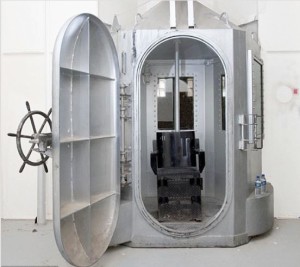
Alabama recently executed its first inmate using a 3-drug cocktail containing midazolam in place of the more commonly used pentobarbital...This is because compounding pharmacies in Alabama were not willing to make pentobarbital for lethal injection...Four other states’ pharmacies also declined to compound pentobarbital for the Alabama Department of Corrections...Both the International Academy of Compounding Pharmacists and the American Pharmacists Association have issued statements discouraging pharmacists from participation in executions...IACP said compounding lethal injection drugs goes against pharmacists’ focus on healing and care. It also pointed out that state boards of pharmacy could potentially seek ramifications against a pharmacy that knowingly prepares a drug that will cause harm...With manufacturers and compounding pharmacies’ resistance, state departments of corrections may have to turn to alternative methods for executions...in April 2015, Oklahoma approved the use of nitrogen hypoxia in a gas chamber if the state could not obtain lethal injection drugs...In Utah, Governor Gary Herbert signed a law in March 2015 that allows for the use of a firing squad as a plan B.
- Could Preemptive Pharmacogenomic Testing Emerge as an MTM Best Practice? (pharmacytimes.com)
Modern technology is now making genomic testing possible for a fraction of the time and cost..Now pharmacists and physicians can use pharmacogenomic test results to help choose safer and more effective medications for their patients...Pharmacists are undoubtedly the pharmacokinetic experts and the most educated health care providers in regard to the cytochrome P450 system. Preemptive genotyping would make a nice addition to a pharmacy’s list of service offerings and point-of-care testing panel...A clinical consultant pharmacist could use pharmacogenomic testing to guide therapy decisions and decrease drug–drug interactions. This has the potential to save countless health care dollars lost to ineffective medication use, adverse drug events, and hospital readmissions...There are also financial benefits for the testing pharmacy. Looking at pharmacogenomic testing from a medication therapy management perspective, one can imagine the usefulness of integrating genomic testing into a patient’s comprehensive medication review...to make specific evidence-based recommendations to improve patient care.
- Proven cost savings in elderly patients
- Help in predicting and preventing adverse drug reactions
- Decreased hospitalizations due to treatment failure
- Prevention of “trial-and-error” prescribing
Pharmacists are the experts on medication safety and effectiveness, and should be ready to take on the role of personalized medication consultants...Innovation is essential if pharmacy wants to act on new clinical service opportunities and earn a seat at tomorrow’s health care table. We need to be proactive in seeking out new niches...
- The Challenge of High Cost Drugs in Specialty Pharmacy (specialtypharmacytimes.com)
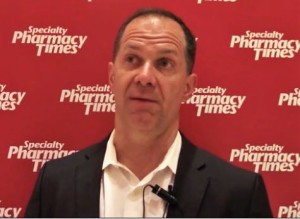
Michael Zeglinski, vice president of Specialty Pharmacy Operations at BriovaRx, discusses how expensive hepatitis C drugs have impacted the specialty landscape. (video)
- 6 Tips to Align an Outpatient Pharmacy with Its Associated Hospital (pharmacytimes.com)

...independent pharmacies have demonstrated tremendous market resiliency by offering patient-oriented amenities, niche marketing, and above all, customer service... With proper planning and direction, great staff, and tireless effort, a financially viable community pharmacy will be poised to stay put in the neighborhood for years to come...but what about the community hospital outpatient pharmacy? This pharmacy is usually located in a medical office building on the hospital campus...Our store has done well by serving the hospital employee population, the physicians from surrounding offices and their families, a local retirement facility, and many folks who drive past local big-box pharmacies just to come to our little store...no amount of service can overcome the decreasing insurance reimbursement in this competitive prescription medication marketplace. As a result, the survival of the community hospital outpatient pharmacy depends on its ability to make itself indispensable to the hospital it is associated with...Here are 6 things that an outpatient pharmacy can do to help maintain alignment with its associated hospital:
- Make sure that the pharmacy’s hours of operation align with the peak discharge hours of the hospital and emergency room.
- Create and maintain an open line of communication with the nursing staff, especially from the emergency room and telemetry units.
- Make sure that the inpatient pharmacists are detailing and promoting the outpatient pharmacy services at every opportunity.
- Ask to participate in the weekly or monthly readmission campaign meetings...How can the outpatient pharmacy participate and help meet readmission goals?
- ...meet with the nurse case managers and social workers. We all know about the importance of medication adherence...How can the outpatient pharmacy help the discharge planning team facilitate getting the discharge prescriptions filled...
- Begin a discussion with the hospital’s pharmacy director to create a plan that details what opportunities the outpatient pharmacy may have to help increase Hospital Consumer Assessment of Healthcare Provider and Systems...