
- Drug Price Hikes and Shortages Have Similar Roots, Experts Say (ashp.org)
Experts say that recent increases in the prices of off-patent generic drugs are closely tied to the drug shortages that have plagued hospitals for years...They have the same root cause: a lack of competition in certain parts of the generic market...The first indication we had of problems in the generic market were not prices; they were shortages. Hospitals were having serious problems filling prescriptions...The second manifestation we're getting now is the higher prices for certain generic drugs...without competition, drug companies can raise their prices several thousand percent simply overnight...arbitrary and unpredictable inflation is not sustainable for our hospitals, especially when we receive capitated payments for most of our patients...hospitals handle such high prices in the same way they do drug shortages: by rationing drugs, stocking smaller quantities, and devoting "huge hours of manpower" to managing the problem...the business strategy driving the price hikes affects a relatively small number of drugs but is destabilizing reimbursement practices surrounding those medications...compounding pharmacies could play a greater role in preventing price hikes affecting off-patent drugs...Other potential solutions...included speeding FDA's review of marketing applications for older generic drugs that have no competition in the marketplace and instituting price regulations for these drugs akin to the regulations that affect public utilities...
- I.V. Batching Improvements Cited in Baldrige Win (ashp.org)
The health system that won a 2015 Malcolm Baldrige National Quality Award for healthcare credited improvements in i.v. medication preparation as a contributing factor in earning the recognition for performance excellence...We are constantly looking at new and better processes throughout all of our departments," said Brian Sayre, director of pharmacy for Charleston Area Medical Center Health System in West Virginia... the health system had greatly reduced its drug costs by using principles of lean methodology to overhaul the batching of i.v. medications...Lean methods focus on improving services and reducing waste and have been used in many types of business operations. Six Sigma, a system that complements lean processes, is a disciplined, data-driven strategy for eliminating defects in manufacturing and other processes..."Lean principles [and] Six Sigma principles fit very nicely into pharmacy workflow processes," said Sayre...the pharmacy staff calculated that switching from one daily cart fill to five cart fills per day would reduce i.v. drug waste..."The process...saved $134,000 annually, exceeding a target of a 50% reduction,"
- Compounding Pharmacy Forced to Stop Production Due to Insanitary Conditions (specialtypharmacytimes.com)Federal judge enters consent decree against Downing Labs (fda.gov)FDA sues to stop a wayward drug compounder (statnews.com)
Compounding pharmacy Downing Labs LLC (formerly known as NuVision Pharmacy), its co-owners, and its pharmacist-in-charge have been issued a consent decree of permanent injunction...The Texas-based company is allegedly in violation of current good manufacturing practice requirements under the Federal Food, Drug, and Cosmetic Act...Downing Labs is accused of manufacturing and distributing adulterated drugs that were made in insanitary conditions, meaning they were bad enough to endanger public health...“Despite multiple warnings to the company, Downing Labs continued to manufacture injectable drugs under insanitary conditions, putting the health and safety of patients at risk,”...“The FDA pursued appropriate and aggressive action to protect the public health.”...Downing Labs said it has worked "collaboratively and cooperatively” with the FDA to reach an agreement that will enable it to resume the production of compounded sterile medication...also noted that, as part of the consent decree, it voluntarily agreed to participate in a regular program of testing, audit, and inspection “to ensure it is achieving and exceeding its quality goals.”
- 5 Treacherous Problems with Fentanyl Patches (pharmacytimes.com)
Although using a patch formulation of fentanyl can have some advantages, here are 5 common problems I've encountered with it in my pharmacy practice:
- Fentanyl patches are extremely potent
- Lost or missing fentanyl patches should scare you
- Fentanyl patches are meant for chronic pain
- Fentanyl patches can cause delayed withdrawal symptoms
- Fentanyl patches get diverted
- Major drugmakers push back in U.S. price debate (reuters.com)

With a backlash brewing over the price of medicines in the United States, drugmakers are pushing back with a new message: Most people don't pay retail...Top executives from Eli Lilly and Co, Merck & Co and Biogen Inc said in interviews...this week that the media focus on retail, or "list prices," for branded medications is misplaced...They stressed that the actual prices paid by prescription benefit managers, insurers and other large purchasers are reduced through negotiated discounts...But the industry practice of raising prices each year for treatments used by millions of people is attracting new attention...the industry needs to better explain the value of drugs and how they can prevent healthcare costs down the line...We have to explain the difference between the list price and the net price…Drugmakers keep actual pricing details close to guard their position in negotiations with commercial insurers and government health plans like Medicaid. There is no centralized catalog of U.S. list prices or rebates for medicines...U.S. health insurers say that, even accounting for discounts, drug prices are rising at an unsustainable rate, and they are pressuring drugmakers for cuts.
- 4 Pharma Market Trends to Watch in 2016 (pharmacytimes.com)
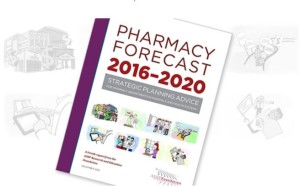
Several pharmaceutical market trends are likely to affect pharmacists’ practice this year...The Pharmacy Forecast 2016-2020 from the American Society of Health-System Pharmacists Foundation analyzed pharmacy trends and described strategies for health-system pharmacists to keep pace with the evolving scope of their practice...Pharmacists and health systems must recognize, plan for, and appropriately react to dynamic trends in the pharmaceutical marketplace to ensure that they are positioned to continue providing the best patient care...Here are 4 pharmaceutical market trends to watch in the year ahead:
- Generic Drug Pricing
- Enforced Product Tracing
- Specialty Drug Spending
- Limited Drug Distribution Channels
- Drug Diversion in the 340B Program (pharmacytimes.com)
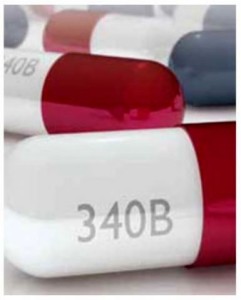
Section 340B of the Public Health Service Act requires drug manufacturers participating in the Medicaid Drug Rebate Program to sign an agreement...This...limits the price that manufacturers may charge certain covered entities for covered outpatient drugs...Drug diversion in the program is defined as a 340B drug being provided to an individual who is not an eligible outpatient of that entity and/or dispensed in an area of a larger facility that is not eligible (eg, an inpatient service or a non-covered clinic)...in 2013 that 94 audits were underway, which included 700 outpatient facilities and 1930 contract pharmacies. During these audits, drug diversion, duplicate discounts, and ineligible sites/providers were the common areas of noncompliance... Noncompliance to 340B program impacts patients’ bottom line because the more diversion that occurs, the more drug manufacturers increase prices for both public and private insurers, leading to an increase in rates and charges to patients. If HRSA were able to enforce 340B regulations and audit all hospitals on a continual basis, there would be fewer cases surrounding duplicate discounting, drug diversion, and ineligible site/providers...The 340B Program is in desperate need of stronger controls and more audits. Through proactive monitoring of drug inventory and dispensing, 340B drug diversion would decrease, leading to a decrease in drug spending.
- New Recertification Deadlines for Active CPhTs (ptcb.org)

This is a reminder that effective in January 2016, PTCB has changed the recertification schedule for active PTCB Certified Pharmacy Technicians (CPhTs). All CPhTs are affected by the changes. Most active CPhTs have a new certification expiration date, while a small percentage are keeping the same expiration date. All are required to apply for recertification by the first day of their expiration month or they will be charged a late application processing fee of $25...New Window: The new ‘Recertification Window’ opens 60 days (formerly 100 days) before a CPhT’s certification expiration date...CPhTs may check their certification expiration dates by logging into their PTCB Account...
- Pharmacy Week in Review: January 15, 2016 (pharmacytimes.com)

Mike Glaicar, Business Development: Pharmacy Times...(PTNN) This weekly video program highlights the latest in pharmacy news, product news, and more.
- Interactive Pharmacist Counseling Could Optimize Patient Outcomes (pharmacytimes.com)

Patients may be more likely to retain information about their prescribed medications when the pharmacist-patient relationship becomes a 2-way conversation... A recent study published in the Journal of the American Pharmacists Association suggests that more interactive conversations between the pharmacist and patient can more than double the likelihood that the patient will understand how to take their medications properly....“The benefit of the interactive counseling technique is the fact that the patient can let the pharmacist know upfront what they know about their medications. The pharmacist can then fill in the knowledge gaps...The increased health literacy resulting from these more substantive conversations is strongly associated with greater medication adherence, which is widely considered one of the most crucial components of the value-based care model and optimized patient outcomes...This is the first real analysis to prove that [the interactive approach] works, and that the approach could be extremely important for health care in America...