- 8 Pharmacy Management Tips for Technician Leaders (pharmacytimes.com)
As the heath care landscape continues to change, pharmacy technicians have been increasingly holding leadership roles on their pharmacy teams…Yet the task of managing a pharmacy can prove daunting to even the most experienced tech, as many technician training programs don’t necessarily prepare their students for pharmacy management…Although their targeted audience was consultant pharmacists, they provided the following tips for all pharmacy workers—including technicians—who are looking for ways to better manage their team.
- Understand the Difference Between Management and Leadership
- Identify Your Leadership Skills and Style
- Observe the Group Dynamic
- Identify Each Employee’s Motivation
- Improve Communication
- Set Goals
- Provide and Be Open to Feedback
- Look to Your Leaders
- Ohio MAC transparency law now in effect! Now what? (ohiopharmacists.org)Ohio Revised Code 3959.01, 3959.111, and 3959.12 (codes.ohio.gov)

Governor John Kasich signed OPA-backed maximum allowable cost pricing and pharmacy benefit manager reforms into law. These reforms will better enable pharmacies to be kept whole on the medications they purchase and dispense to patients…While the law is now in effect, we expected the rollout to bring many questions and perhaps some foot-dragging by a few in the PBM industry, and as expected, it appears we're getting some of both. See below for a complete guide on the new law, implementation of the law, and what to do if you are working with a PBM who is failing to comply with the law.
- What are the new laws?
- How will the new laws be enforced?
- How do pharmacies register complaints if the law is not being followed?
We are pleased to report that it seems several PBMs seem to be embracing the spirit of the law so far, however we are hearing that not all PBMs are in compliance.
- Challenges of Pain: Part 2 – Pharmacies in the crosshairs: Prescription drug crime and law enforcement (pharmacist.com) Pharmacy Crime: A Look at Pharmacy Burglary and Robbery in the United States and the Strategies and Tactics Needed to Manage the Problem (apps.phmic.com)Challenges of Pain: Part 1: Impact of government responses on frontline pharmacists and patients (pharmacist.com)

…law enforcement side of prescription drug abuse—including the rise in pharmacy crime, such as robberies, and second in Pharmacy Today’s “Challenges of Pain” series. The series shows how pharmacists and their patients with legitimate pain needs are affected by issues and efforts around prescription drug abuse.
- Concern for pharmacists’ safety
- Preventing robberies: Start with the basics
- DEA adds to its focus
- GAO report: Questions raised about DEA’s approach
- GAO surveys of DEA registrants
- DEA: Patient access not affected
- Be aware and prepared
- Pharmacy Podcast – The Changing Landscape of Retail Pharmacy (pharmacypodcast.com)
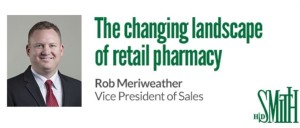
We interview the Vice President of Sales with H. D. Smith – Rob Meriweather about the impact of drug wholesale on the future of our pharmacy industry. (podcast 24:29)
- Current and Future Estimates of E-Prescribing Use (pharmacytimes.com)
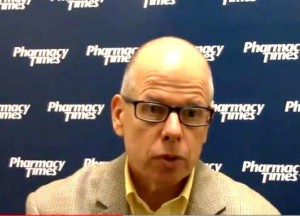
Ken Whittemore Jr, Surescript's senior vice president of professional and regulatory affairs, shares information on the current and future estimates of e-prescribing use.
- Myths And Facts About Specialty Drugs (forbes.com)
The ongoing debate over specialty drugs — reflecting conflicting motives of buyers and sellers — neglects important insights about the impact of these new technologies, their value to society, and the economics of medical R&D. We here disentangle the facts from the myths surrounding these products…“Specialty drugs” is a term that has entered common vocabulary to categorize a class of drugs that are clinically unrelated, but are increasingly grouped together due to their high cost. They have come under scrutiny lately from payers, policymakers, and physicians and exemplify the most significant, recurring challenge in modern health care: how to balance effective innovation with fiscally viable pricing. Unfortunately, solutions are elusive because of pervasive myths about these products...Below we debunk the most serious myths impeding an effective policy response..
- Myth: Growth in Specialty Drug Spending Will Bankrupt Health Care
- Myth: Specialty Drugs Offer Only Incremental Value
- Myth: Profits from Specialty Drugs Sales are Excessive
- Myth: The U.S. Would Benefit from European-style Price Controls
- Myth: High Prices are the Sole Source of Financial Hardship on Patients
- What’s the Bottom Line?
- The Impact of Primary Medication Nonadherence in Specialty Pharmacy (specialtypharmacytimes.com)
Nonadherence carries significant implications for stakeholders throughout the specialty space…There is not a lot of information about primary medication nonadherence, but it could have a huge impact on patients…if the patient doesn’t start on medication … well, the outcome is going to be very poor in those circumstances…reasons for PMN:
- Cost of the drug
- Concern for side effects
- Treatment change
- Perceived need
- Patient forgot or didn’t know
There are also issues that are specific to specialty pharmacy…why patients might delay treatment:
- Cost and copay/co-insurance
- Patient perceptions: they don’t believe the disease is severe enough or they don’t believe in the efficacy of the drug
- Fear of side effects or a fear of injections
- Pharmacy Podcast – Senior Care Pharmacy Coalition Fighting for Drug Pricing Transparency (pharmacypodcast.com)
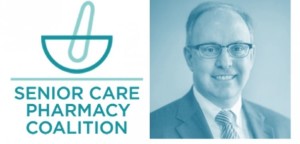
Interview with Alan G. Rosenbloom, President and CEO of Senior Care Pharmacy Coalition about the Avalere Health Study: Long Term Care Pharmacy Sector Plays Key, Growing Role in U.S. Seniors’ Care as New Payment, Delivery Models Gain Prevalence in the industry. (podcast 40:55min)
- Pharmacy staffing levels can threaten patient lives (drugtopics.modernmedicine.com)
The pharmacy profession is in jeopardy if it does not respond to the immediate crisis of the understaffing of pharmacies, especially those affiliated with chain stores. This understaffing has become increasingly apparent with the recent injunction and monetary fine of $502,000 given to Walgreens for not providing consultation services…A leading cause of mortality is medication errors, 21% of which result from dispensing errors…reasons for errors…too many telephone calls, overload, too many patients, no one available to double-check, illegible/misinterpreted prescription, and staff shortage…Non-provision of consulting services also contributes to the issue of medication non-adherence. Only half of the 3.2 billion prescriptions dispensed in the United States are taken as prescribed. Approximately 125,000 deaths are linked to medication non-adherence annually…Despite multiple citations and fines imposed on chain pharmacies, and lawsuits brought on behalf of the general public, chain corporations still fail to counsel patients, and the result is a steady stream of medication errors.
- Drug Disposal Data Raises Questions Over Mail-Order Pharmacies (specialtypharmacytimes.com)
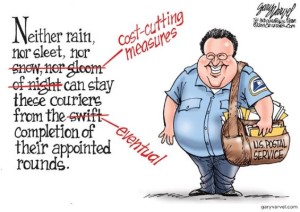
Mail-order disposals involve more expensive brand-name medications than retail disposals…Medication waste may be more likely among patients who use mail-order pharmacies, rather than retail pharmacies…also…mail-order disposals tend to involve more expensive brand-name medications than retail disposals…disposals that had more than 80% of the medication remaining were more likely to be from mail-order pharmacies than retail pharmacies...which raises questions about nonadherence among mail-order patients…patients who disposed 100% of their medication were more likely to have received their medication via mail-order pharmacies…the patient did not take any of it and, likely, the medication was not needed in the first place and should not have been shipped…medication…returned for disposal was more likely to be brand-name medication when it came from mail-order refill patients. Since brand-name medication is typically more expensive, it was money down the drain…