
- About 1 in 5 hospitals mark up drug prices at least 700 percent, study finds (healthcarefinancenews.com)

Nearly one in five hospitals mark up medicine prices 700 percent or more, according to a new analysis from The Moran Company, prepared for The Pharmaceutical Research and Manufacturers of America...This means that if a hospital purchased a medicine for $150, a 700 percent markup could result in patients being billed $1,050, according to the study. And the analysis also found that 320 hospitals – eight percent of those included in the study – marked up some medicine prices more than 1,000 percent...The analysis used Centers for Medicare and Medicaid Services data that included total costs and charges for all medicines from 3,792 hospitals. On average, those hospitals marked up the price of medicines nearly 500 percent, consistent with an analysis of 20 medicines previously conducted by Moran...Markups on medicine prices often lead to higher reimbursement by health plans. More than half of commercial payers reimburse hospital outpatient departments as a percent of billed charges. Hospitals have incentives to increase markups as higher charges are associated with greater profitability...
- California May Pass Legislation to Regulate PBMs (policymed.com)

We have previously written about pharmacy benefit managers and the way states are trying to regulate them through legislation and other means. With just one week left of the California session, it is possible that the state will become the most recent to regulate PBMs...California Assembly Bill 315, simply titled Pharmacy benefit management...was recently...revived with an amendment on August 20, 2018...The legislation, if passed, would require PBMs to be licensed by the California Department of Managed Health Care; require that a PBM exercise a duty of good faith and fair dealing in the performance of its contractual duties to a purchaser, and would require the PBM to disclose to a purchaser any conflict of interest that would interfere with the discharge of that duty; require a PBM to periodically disclose to a purchaser, at their request, certain information such as drug acquisition cost, rebates received from pharmaceutical manufacturers, and rates negotiated with pharmacies; require PBMs to notify pharmacy network providers of certain material contract changes at least 30 days before those changes take effect; prohibit PBMs from including in a contract with a pharmacy network provider provisions that prohibit the provider from informing consumers of alternative medication options or from dispensing a certain amount of prescribed medication; and would also create a toll-free provider line for pharmacies to report any PBMs who are in violation of the law.
- This Week in Managed Care: August 31, 2018 (ajmc.com)
Laura Joszt, Managing Editor at The American Journal of Managed Care. Welcome to This Week in Managed Care from the Managed Markets News Network
- Lawmakers push to require price disclosure in DTC drug ads (biopharmadive.com)

The Senate...passed a measure that would provide the Department of Health and Human Services with $1 million to implement proposed rules requiring drugmakers disclose the price of their prescription drugs in direct-to-consumer advertising...Approved as part of a larger spending bill, the bipartisan amendment gives legislative backing for an idea that the Trump administration has pushed as part of its plan to combat rising drug prices...touted the measure as a common-sense step toward greater transparency, it's a proposal likely to generate substantial debate. Drug prices are notoriously opaque, and most patients don't pay the so-called "list price" that such a requirement would likely rely on..."We have FDA and CMS working to examine how to require drug companies to post their list prices in direct-to-consumer advertising. When patients hear about a wonderful new drug, they should know whether it costs $100 or $50,000," said HHS Secretary Alex Azar...The administration's proposal, unsurprisingly, has been met with resistance from drugmakers..."Disclosing list prices in DTC ads would not benefit patients as they are often not the prices insurers pay and are generally not a good indicator of what patients will pay at the pharmacy counter," wrote a spokesperson for PhRMA...
- FDA’s continuing use of ‘black box’ for antidepressants ignores the harms of this warning (statnews.com)

The Food and Drug Administration’s “black box” warnings and advisories give important safety information about drugs. But they can sometimes go too far and harm more people than they help...Take the FDA’s highly publicized warnings that taking antidepressants increases the risk of suicidality...among children, adolescents, and young adults. We have evidence, as do many others, that these warnings have decreased youths’ access to mental health care and increased suicide attempts...In October 2004, the FDA required a so-called “black box warning” of this risk to be printed on the labels of all antidepressant drugs. It was implemented in January 2005. Two years later, the FDA extended the same warning to include young adults, again based on industry studies...There’s no question that antidepressants can cause harm if used inappropriately. But the FDA failed to recognize — and still won’t acknowledge — that the harms of its public advisories and black box warning on antidepressants for young people more than outweigh the benefits...
- Wave of Opioid Litigation Spreads to Canada With Fresh Lawsuit (bloomberg.com)

A Canadian province has launched a proposed class-action lawsuit against the opioid industry, targeting companies from the nation’s biggest grocer Loblaw Cos. to Oxycontin-maker Purdue Pharma Inc., marking a new front of international action against the industry...British Columbia filed its claim...against more than 40 manufacturers, wholesalers and distributors of opioids, seeking to recover “millions of dollars in opioid-related health care costs incurred by the provincial government,” Attorney General David Eby said in a statement...The suit accuses companies of contributing to “an epidemic of addiction”...in Canada. The class action is probably the first such lawsuit outside of the U.S...If the court certifies British Columbia’s claim as a class action, other Canadian provinces and territories will be able to join...
- August 31 Pharmacy Week in Review: Digital Health Market Growing Rapidly, Testing For Gene Mutation Linked to Cancer is Underused (pharmacytimes.com)
Nicole Grassano, PTNN, Pharmacy Week in Review, this weekly video program provides our readers with an in-depth review of the latest news, product approvals, FDA rulings and more.
- Drug supply post-Brexit may occur at the expense of pharma R&D (pharmaceutical-technology.com)

With less than a year left for the UK to leave the EU, ensuring an undisrupted flow of medicines in between the UK and the EU following Brexit is a growing concern among drug developers and regulatory agencies...On 23 August the UK’s Department of Health and Social Care has asked pharmaceutical companies that supply drugs to National Health Service patients to ensure a minimum of six weeks of additional supply of medicines over and above their usual buffer stocks, due to a potential disruption of medicine imports from the EU in the event of a no-deal Brexit. While the UK still may remain part of the EU’s drug approval system following Brexit, the uncertain regulatory environment post-Brexit is urging drugmakers to prepare for the worst...The actions that will need to be implemented by the pharmaceuticals industry, such as stockpiling of medicines, duplicating facilities in both the UK and the EU area, and establishing alternative trade routes are expected to be highly costly measures...drugmakers are on their own to implement these changes, and recent survey results reported by the EMA indicate that some drugmakers have not taken sufficient steps to maintain the continuous supply of their products following Brexit.
- House bill seeks to create nationwide Prescription Safety Alert System (healthdatamanagement.com)
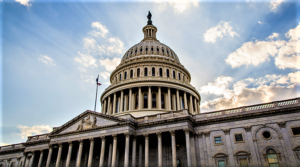
Bipartisan congressional legislation has been introduced to create a nationwide Prescription Safety Alert System to enable pharmacists to better protect patients from opioid overuse...The Analyzing and Leveraging Existing Rx Transactions Act, introduced...by Reps. Tom MacArthur, Ann Kuster and Barbara Comstock, would require the Department of Health and Human Services to work with the private sector to establish a system that analyzes the transaction data that pharmacists and payers—such as health insurers and Medicare— generate when prescriptions are filled...“We absolutely have to get smarter about how we use technology and data analysis to fight this crisis,”...“By giving pharmacists, insurance companies, and programs like Medicare a new tool to understand the data they already have, we can help prevent further harm.”...the data analysis would provide real-time feedback to pharmacists at the point of sale and would be included in their normal workflow...“A pharmacist will receive an alert that someone might be at risk of overuse based on their prescription history, or might be doctor-shopping to feed their addiction,”...“Instead of filling that unnecessary prescription, pharmacists will have an extra tool to detect and prevent these dangers.”...
- How Can Medicare Save A Billion Bucks? Use Generics (ptcommunity.com)Medicare Spending on Brand-name Combination Medications vs Their Generic Constituents (jamanetwork.com)
In 2016, the cost difference between the amount that the Medicare Part D drug program spent on brand-name combination medications and the estimated cost for generic constituents for the same number of doses was $925 million, according to an investigation in the Journal of the American Medical Association...a retrospective analysis of Medicare drug spending from 2011 through 2016, looked at 29 brand-name oral combination medications, separated into three categories: medications that were available in generic form at identical doses; generic medications available at different doses; and therapeutically equivalent generic substitutes. The savings for all three categories was in the millions of dollars, with the largest discrepancy (an estimated $471 million) seen with the therapeutically equivalent generic substitutes. The authors also found that for the 10 most costly combination products that were available throughout the entire study period, the listed Medicare spending could have been an estimated $2.7 billion lower if the generic constituents had been prescribed.