
- Canada nears launch of national e-prescription service (chaindrugreview.com)

Canada is set to begin deploying a national electronic prescribing platform, called PrescribeIT...Canada Health Infoway, a federally funded, nonprofit digital health organization, said...that it has reached agreements to enable PrescribeIT in six provinces: Alberta, Ontario, Manitoba, Nova Scotia, New Brunswick and Newfoundland/Labrador. Those provinces represent 61% of the Canadian population...PrescribeIT will allow prescribers to securely transmit an prescription from an electronic medical record to the pharmacy management system at a patient’s pharmacy of choice...PrescribeIT’s features will include the ability to securely send e-scripts for all medications, including controlled substances; deliver a prescription to a patient’s pharmacy; send prescription renewal requests from a pharmacist to a prescriber; and cancel a transaction by the prescriber or pharmacist...PrescribeIT is expected to decrease patient wait times for their prescriptions, enhance patient safety by reducing the possibility of medication errors, improve medication management and patient health outcomes, reduce fraud and abuse by eliminating handwritten prescriptions, ensure data integrity for monitoring of controlled substances, and create a commercial-free prescribing and dispensing environment...
- Given second chance, doctor instead ‘poured poison’ into community by running pill mill (fiercehealthcare.com)

After running afoul of the state licensing board, an Alabama internist had a chance to turn his life around. Instead, he took to running a pill mill and sold drugs to addicted patients, including at least one who died of a methadone overdose just days after receiving a prescription from the doctor...Robert M. Ritchea, M.D, a 54-year-old doctor who practiced in Phenix City, was sentenced earlier this month to serve 10 years in prison for operating a pill mill through his medical practice and for money laundering…former patients testified that they made cash payments to Ritchea of at least $150 each month in exchange for office visits at his family medical practice and prescriptions to maintain their drug addiction...he wrote prescriptions for controlled substances...knowing that his patients did not actually need the drugs prescribed. He then laundered the proceeds of his drug dealing to essentially run his own pharmacy, buying hydromorphone and hydrocodone directly from a drug manufacturer and distributing the pills from his medical practice…
- Pharma loses one battle over drug take-back programs, but wins another (statnews.com)
The latest skirmishes over drug take-back programs yielded a mixed outcome this week for the pharmaceutical industry, which has been battling local governments that want drug makers to pick up the tab...officials in Snohomish County, Wash., voted unanimously to require drug companies to run a program that would allow consumers to dispose of unwanted and unused medicines. At the same, the Los Angeles County Board of Supervisors delayed passing a similar ordinance until November...The actions...underscore the growing challenge that the pharmaceutical industry faces as more local governments consider such programs...Local officials are pursuing these laws in the face of rising disposal costs, growing concerns about contaminants in water supplies, and a desire to reduce the threat of drug abuse stemming from medicines lingering in cabinets...the Pharmaceutical Research and Manufacturers of America...objected to the effort, saying that maintaining the program would be unwieldy and require the added burden of adhering to US Drug Enforcement Administration regulations because controlled substances would likely be turned in by consumers..."Siding with corporate interests over public health and safety can be a dangerous political position, and the people will have the final say," said Heidi Sanborn, the executive director of the California Product Stewardship Council. "This is not over,"....
- Pharmacies Settle with Feds for Narcotics Mishandling (pharmacytimes.com)

A group of San Diego, California, pharmacies and their owners have paid $750,000 to the federal government to resolve drug diversion claims…pharmacies had been accused of mishandling prescription narcotics and ephedrine/pseudoephedrine products…The settlement was with Park Medical Pharmacy Inc…and owners Joseph Grasela and John Grasela…Drug Enforcement Administration alleged that the pharmacies had violated the Controlled Substances Act by diverting a “significant” amount of controlled substances, not taking adequate inventory of controlled substances, and not maintaining records of the pharmacies’ distribution of products.
- DEA proposes cutting production of some opioid painkillers (reuters.com)

The Drug Enforcement Administration...proposed a 20 percent reduction in the manufacture of certain commonly prescribed opioid painkillers as well as other controlled substances for next year...The proposal comes as U.S. regulators and lawmakers take steps to limit the supply of opioids - a class of drugs that include prescription painkillers and heroin - to combat the epidemic of abuse, overdose and addiction...The DEA's proposed production quotas for Schedule I and II substances reflect the amount needed to meet the United States' medical, scientific, industrial, export and reserve requirements...The DEA recommendation comes about two months after the Food and Drug Administration took the rare step of asking a drugmaker (Endo International) to withdraw its opioid painkiller from the market, citing the public health crisis.
- AP Exclusive: Drugs vanish at some VA hospitals (bigstory.ap.org)
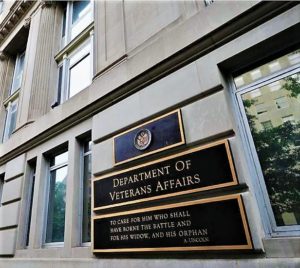
Federal authorities are stepping up investigations at Department of Veterans Affairs medical centers due to a sharp increase in opioid theft, missing prescriptions or unauthorized drug use by VA employees since 2009…Doctors, nurses or pharmacy staff at federal hospitals — the vast majority within the VA system — siphoned away controlled substances for their own use or street sales, or drugs intended for patients simply disappeared...Aggravating the problem is that some VA hospitals have been lax in tracking drug supplies...Reported incidents of drug losses or theft at federal hospitals jumped from 272 in 2009 to 2,926 in 2015, before dipping to 2,457 last year, according to DEA data...The GAO review...found the most missed inspections at VA's hospital in Washington, D.C...Monthly checks were missed there more than 40 percent of the time, mostly in critical patient care areas, such as the operating room and intensive care units…Responding to the findings, the House Veterans Affairs Committee planned a hearing on the inspection issue. Its chairman, Rep. Phil Roe, a physician, said failing to follow protocol is serious and "should not be tolerated within VA."
- Walgreens launches two programs to help address opioid abuse (drugstorenews.com)DEA Administrator Chuck Rosenberg Statement on Walgreens’ Prescription Drug Take Back Initiative (dea.gov)
Walgreens...announced the launch of a new effort to combat drug abuse, introducing two programs that address contributors to the crisis.
- ...Walgreens will install safe medication disposal kiosks in more than 500 drug stores in 39 states and Washington, D.C., primarily at locations open 24 hours. The program will make the disposal of medications — including opioids and other controlled substances — easier and more convenient while helping to reduce the misuse of medications and the rise in overdose deaths.
- Walgreens also will make naloxone...available without a prescription at its pharmacies in 35 states and Washington, D.C., rolling out the program state-by-state throughout this year.
- New on the streets: Gabapentin, a drug for nerve pain, and a new target of abuse (statnews.com)
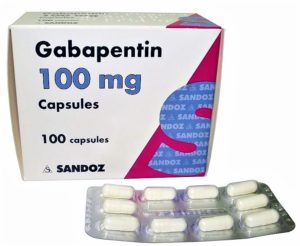
Ohio’s Board of Pharmacy began reporting sales of gabapentin prescriptions in its regular monitoring of controlled substances. The drug, which is not an opioid nor designated a controlled substance by federal authorities, is used to treat nerve pain. But the board found that it was the most prescribed medication on its list...surpassing oxycodone by more than 9 million doses. In February, the Ohio Substance Abuse Monitoring Network issued an alert regarding increasing misuse across the state...Gabapentin’s ability to tackle multiple ailments has helped make it one of the most popular medications in the U.S. In May, it was the fifth-most prescribed drug in the nation...law enforcement officials and drug counselors say the addition of gabapentin adds a new obstacle. As providers dole out the drug in mass quantities for conditions such as restless legs syndrome and alcoholism, it is being subverted to a drug of abuse. Gabapentin can enhance the euphoria caused by an opioid and stave off drug withdrawals. In addition, it can bypass the blocking effects of medications used for addiction treatment, enabling patients to get high while in recovery...
- CVS to Pay $3.5M Over Allegations of Forged Prescriptions (dddmag.com)

CVS Pharmacy has agreed to pay $3.5 million to settle allegations that dozens of its Massachusetts pharmacies violated federal law by filling forged prescriptions for addictive painkillers and other controlled substances...Attorney Carmen Ortiz announced the settlement...CVS says it entered into the agreement to avoid the expense and uncertainty of further legal proceedings...settlement resolves two investigations by the Drug Enforcement Administration after reports of forged oxycodone prescriptions. One involved hundreds of forged prescriptions at 40 CVS stores in Massachusetts and New Hampshire. The other involved 120 forged prescriptions at 10 CVS stores in and around Boston.
- New law restores lost time for makers of some drugs (statnews.com)
President Obama has signed a law that resets approval dates for some medicines that contain controlled substances. The goal is to streamline the process used by the Drug Enforcement Agency to place prescription drugs that are controlled substances on a list of medicines for which distribution is restricted…the new law ensures that a company offering such medications will not effectively lose time from a five-year period under which it can exclusively market the drugs…Drug makers have griped they are often at a competitive disadvantage, since controlled substances must first be placed on the DEA list before they can reach pharmacies. Companies have complained the process is often lengthy and hampers their ability to take advantage of a five-year marketing exclusivity period following Food and Drug Administration approval during which generic competition is delayed…the Improving Regulatory Transparency for New Medical Therapies Act, would require the DEA to list a drug within 90 days after receiving notice from the FDA...