
- June 8 Pharmacy Week in Review: Drug Shortages, Folic Acid and Erectile Dysfunction, and Precision Medicine in Cancer Treatment (pharmacytimes.com)
Kelly Davio, host, the Pharmacy Times News Network's Pharmacy Week in Review.
- White House: Trump’s drug pricing plan will make the rest of the world pay its fair share (cnbc.com)

President Donald Trump
First, the president's plan would cut domestic drug prices by dismantling the burdensome government approval and reimbursement policies that inhibit healthy competition. Second, the plan would combat foreign government policies that devalue intellectual property rights and create unfair pricing systems that force drug manufacturers to sell to foreign buyers at unreasonably low prices...President Trump's plan would stop overpricing of drugs at home and underpricing abroad...Government policies that restrict competition...the lengthy drug approval process erects large entry barriers for both brand-name drugs and their cheaper generic counterparts. FDA's work to facilitate timely generic entry is estimated to have saved Americans billions of dollars...doctors are given precisely the wrong incentive when prescribing: the system reimburses them at higher rates when they prescribe more expensive drugs, ultimately funded by our tax dollars...There is no free lunch. If neither Americans nor foreigners pay for the R&D to develop new drugs, then soon nobody will receive new treatments...
- Cost of ER visits in Nevada rising quickly, report says (reviewjournal.com)

...if you get injured or ill in Nevada, you will pay the second-highest price in the nation just to step through the ER doors...The cost of an emergency department visit in the Silver State, not counting the services actually rendered once you’re admitted, is rising at the fastest rate in the country, according to a report published...by the Health Care Cost Institute. The average price per claim in Nevada was $1,281 in 2016, trailing only No. 1 California by $7...From 2009 through 2016, the latest year for which data was available, the price of an emergency department visit increased 147 percent in Nevada...It rose 98 percent nationwide in the same time period...It could be that Nevadans today are sicker than they were a decade ago...Or it could be that Nevada’s ERs are looking to offset the costs incurred by an increasing number of Medicaid patients...A 2014 expansion of the federal program in the state doubled the number of Medicaid patients to more than 600,000, but state health care providers receive one of the lowest reimbursement rates in the nation...
- This Week in Managed Care: June 1, 2018 (ajmc.com)

Laura Joszt, Managing Editor at The American Journal of Managed Care. Welcome to This Week in Managed Care from the Managed Markets News Network
- FDA sends warning letters to nine online marketers over opioids (reuters.com)
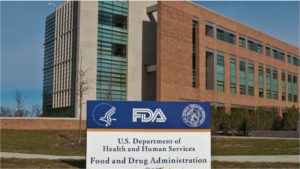
The...Food and Drug Administration...sent warning letters to nine online networks operating a total of 53 websites to stop illegally marketing unapproved versions of opioid medications...The regulator said... it is taking additional steps with these warning letters by going right to the source of the illegal supply of unapproved and misbranded versions of opioid drugs, including tramadol and oxycodone...The internet is virtually awash in illegal narcotics...Drug dealers and rogue website operators are using the internet to fuel the opioid crisis...The regulator has requested responses from the nine companies within 10 working days, or they may be subject to product seizure or injunction.
- The ‘cruel joke’ of compassionate use and right to try: Pharma companies don’t have to comply (statnews.com)

...the FDA has a compassionate use program to allow people access to experimental drugs, it can’t compel a company to provide those drugs. The newly signed “right-to-try” law doesn’t either...the Food and Drug Administration calls its expanded access program, also known as compassionate use. It governs the use of an investigational medicine that has not been approved by the FDA outside of a clinical trial...Here’s how it is supposed to work. A physician caring for a patient with a terminal illness who has exhausted all other treatment options and isn’t eligible for a clinical trial appeals to the pharmaceutical company to provide an investigational drug that has undergone at least a Phase 1 trial, which studies the safety of a drug. If the pharmaceutical company agrees, the treating physician applies to the FDA for approval for expanded access to the investigational drug...Large pharmaceutical companies are notoriously risk averse when it comes to expanding access to medications that are still in the testing phase. Many refuse to grant access to investigational drugs outside of clinical trials...One fear they have is that an adverse event, like an injury or death — even if it is not directly due to the medication — will derail a company’s ability to push a drug forward for FDA approval...Pharmaceutical companies also worry that if an experimental medication is given to one patient through compassionate use, it must be given to all patients who request it. In the case of rare diseases...this could mean that a company would have trouble enrolling enough patients when it eventually opens a clinical trial...
- Another antibiotic crisis: fragile supply leads to shortages (reuters.com)

Shortages of some life-saving antibiotics are putting growing numbers of patients at risk and fuelling the evolution of “superbugs” that do not respond to modern medicines...The non-profit Access to Medicine Foundation said there was an emerging crisis in the global anti-infectives market as fragile drug supply chains - reliant on just a few big suppliers - come close to collapse...Global demand for antibiotics has grown by two-thirds since 2000, driven by population growth and the need for medicines to fight infectious diseases in low- and middle-income countries...Most antibiotics are cheap, off-patent generic medicines, which is good for affordability. But that also means they have very low profit margins - particularly compared to modern drugs for diseases like cancer - offering manufacturers little incentive to invest in new production facilities...antibiotic shortages can have especially dire consequences, since doctors have to resort to sub-optimal treatments that are less efficient at killing specific pathogens, leading to the rise of resistant bacteria or so-called superbugs...
- U.S. drug prices hit by insurer tactic against copay assistance: analysis (reuters.com)

A recently adopted tactic by...health plans to limit the financial assistance drugmakers provide directly to consumers for prescription medicines is taking a toll on drug prices, according to a new analysis...Real...drug prices, including discounts and rebates, fell 5.6 percent in the first quarter of this year, compared to a 1.7 percent drop in the same period a year ago, according to...research analyst Richard Evans...He attributed most of the decline to ‘copay accumulator’ programs introduced by pharmacy benefits managers...drugmakers have increasingly offered so-called ‘copay assistance’ cards, similar to a debit card, that consumers can use at the pharmacy counter to reduce their out-of-pocket costs...these payments insulate consumers from the real costs of their drugs and can push them toward more expensive medications when a cheaper option is available...Beginning in January, Express and other pharmacy benefits managers introduced a new ‘copay accumulator’ approach, refusing to allow copay assistance payments to contribute toward a patient’s deductible before insurance kicks in...That has forced drugmakers to either keep paying out-of-pocket costs for a consumer, or risk them ditching a medicine because they can no longer pay for it....
- Women’s hormone drug prices have climbed for years, but controversy hasn’t ensued. Why? (fiercepharma.com)

Several drug pricing scandals have grabbed headlines in recent years in cases in which companies hiked the prices of old drugs or jacked up the cost of blockbuster drugs little by little year after year. Another case hasn't garnered the same attention—and maybe that's because people just don't like to talk about vaginas...insurers have shifted more costs to patients through higher deductibles and copays, leaving patients with a higher share of the bill, and that means women are paying more out of pocket...To avoid that, some resort to buying the remedy from overseas outlets...some insurers have placed the drugs on high formulary tiers, so patients must pay more to get them...
- EU plan to boost off-patent manufacturing, create 25,000 jobs sparks big pharma backlash (in-pharmatechnologist.com)

Officials are considering adding an “export manufacturing waiver” to the Supplementary Protection Certificates that extend patent protection. The waiver would allow companies to manufacture drugs covered by SPCs at sites in Europe, provided the products are destined for export to markets in which patent protection has lapsed or never existed...The Commission is proposing the waiver to enable companies based in the European Union to meet demand for biosimilars and generics in emerging markets and other overseas territories. Currently, SPCs can prevent manufacturers from using their European operations to supply drugs for export, potentially making them less competitive than their foreign peers...This will help create growth and high-skilled jobs in the EU. It could generate €1bn ($1.2bn) net additional sales per year and up to 25,000 new jobs over 10 years...the European Federation of Pharmaceutical Industries and Associations questioned whether the policy will achieve its objectives and said it may create friction between the EU and its trading partners...EFPIA...perceives clear downsides to a policy it sees as devaluing the European intellectual property framework and deterring investment in the region...