
- Medical Technology Is Losing Share Of Venture Investments (forbes.com)

Medical technology continues to lose ground when it comes to all U.S. venture capital investment as value-based care takes hold of the healthcare system and the industry fights to get rid of a device tax...The share of medical technology venture deals dropped to just 4% of total deals last year compared to the industry’s 13% share 25 years ago...There were 420 medical technology venture deals in 2016 out of more than 10,000 total venture deals...medical technology companies had been paying a 2.3% medical device tax on sales under the Affordable Care Act until a two-year moratorium began in January 2016. Before the device tax was put on hiatus, the IRS collected between $1 billion and $2 billion a year in 2013, 2014 and 2015...This move away from fee-for-service medicine to value-based models means insurance companies don't always pay for the medical device a doctor wants to use. Purchasing of devices at large multi-hospital systems has shifted from doctors to “hospital purchasing committees,”.. medtech products...have digital health elements embedded into them...Inherently, digital health solutions are more solution-based...and they have the ability to measure outcomes...Whether medical technology companies can develop products that improve outcomes and measure them will be key...
- EMA warns HQ move may cause major turmoil, seriously delaying new drug approvals (endpts.com)

The European Medicines Agency...warned that it could lose a majority of its staff based on which of the 19 cities vying to host the medicines regulator is selected by the European Council in November, threatening the pace of new drug approvals even in best-case scenarios for at least two years...Based on the results of a survey completed by 92% of EMA’s staff earlier this month, the agency says it could lose between 19% and 94% of its staff depending on which city is selected as its future host. Politico first reported that Amsterdam is the top choice among EMA staff...After Amsterdam, just three additional unnamed cities are projected to provide enough cover to maintain the regulator’s basic safety monitoring mission. “For certain locations staff retention rates could be significantly less than 30% [retention]. This would mean that the Agency is no longer able to function and, as there is no backup, this would have important consequences for public health in the EU,” the EMA says...In the worst cases, EMA says it would be “unable to operate” and the EU and member states would need to implement emergency measures to protect public health, such as relying on third countries for approval decisions.
- FDA warns ‘critical’ drug shortages possible after Hurricane Maria battered Puerto Rico (usatoday.com)
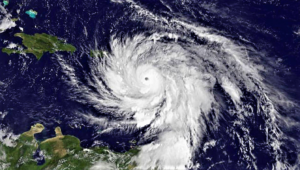
Patients could experience "critical shortages" of key pharmaceuticals, the U.S. Food and Drug Administration is warning after Hurricane Maria brought Puerto Rico's drug manufacturing industry to a standstill...The FDA said...it is taking active measures to help redirect production and preserve existing treatments to avoid a ballooning health crisis from Maria's destruction...The agency did not identify any specific medications that could be at risk of a shortfall, and a spokesperson was not immediately available to provide details...But there are "several" cases where "we may soon face critical shortages if we don’t find a path for removal or ways to get production back up and running," FDA Commissioner Scott Gottlieb said in a statement...Some companies are beginning to move product off of the island, and they’ve been communicating with the FDA about that and what potential challenges and limiting factors they see ahead...Drugs made on the island include AstraZeneca's cholesterol treatment Crestor, Abbvie arthritis drug Humira and Johnson & Johnson-owned HIV drug Prezista. Those three companies have said supplies of their drugs are in good shape...the catastrophic storm wiped out electricity for the entire island, devastated telecommunications and made travel nearly impossible for many employees of the island's nearly 50 pharmaceutical factories...
- Apple Likes the Patent ‘Death Squad.’ Allergan Pays to Avoid It (bloomberg.com)

Allergan Plc’s decision to pay a Native American tribe $15 million a year rather than let one of its blockbuster drugs be scrutinized by the U.S. Patent & Trademark Office is part of a backlash against an agency review panel that has been dubbed a “death squad.”...The drugmaker earlier this month transferred ownership of patents protecting a medicine with $1.49 billion in sales last year to the Saint Regis Mohawk Tribe of upstate New York. The tribe, which will receive royalties every year, says that as a sovereign entity it is immune from such civil patent challenges....The creative -- and untested -- maneuver is designed to circumvent the Patent Trial and Appeal Board...critics say the board has made it too easy for rivals to attack patents and they’re pressing Congress, the courts and the patent office for changes...companies such as Google or Apple Inc., which are among the biggest users of the review board to fend off what they consider nuisance lawsuits from companies looking for a quick payday...the Supreme Court agreed to take a case to determine if the reviews are constitutional -- critics of the reviews say a patent is a property right that only federal courts can revoke. But even those who want to see the system dismantled say that case is a long shot...The patent office has been considering changes to its procedures...
- This Week in Managed Care: September 29, 2017 (ajmc.com)
Laura Joszt, assistant managing editor at The American Journal of Managed Care. Welcome to This Week in Managed Care from the Managed Markets News Network
- Nevada Legislature looks to defend law against drug companies (reviewjournal.com)

The Nevada Legislature has filed a motion to intervene as a defendant in a federal lawsuit that challenges a state law that requires disclosure of how insulin is priced...Pharmaceutical Research and Manufacturers of America and the Biotechnology Innovation Organization say the Nevada law passed this year is unconstitutional. The groups maintain the legislation improperly interferes with federal patent law because the disclosure requirements it imposes penalize pricing decisions that are consistent with the patent rights granted by Congress...Gov. Brian Sandoval and Department of Health and Human Services Director Richard Whitley are named as defendants in the lawsuit. The Legislature on Tuesday filed its motion to defend the law.
- Future uncertain for Nevada health insurance exchange due to Obamacare threat (reviewjournal.com)

Business will continue as usual for Nevada’s Silver State Health Insurance Exchange during the upcoming open enrollment period despite uncertainty over its future in Congress...Insurance exchange officials, joined by Democratic state Sen. Yvanna Cancela, addressed advisers who will help with the enrollment process ...emphasizing the need for aggressive outreach to Nevada’s estimated 43,000 eligible but non-enrolled residents...They also said planning will continue ahead of the Nov. 1 beginning of the enrollment period despite the potential that Congress could eliminate the exchange by repealing the Affordable Care Act...
- Pharmacy Week in Review: September 28, 2017 (pharmacytimes.com)

Nicole Crisano, PTNN. This weekly video program provides our readers with an in-depth review of the latest news, product approvals, FDA rulings and more.
- Moody’s Sees Drug Price Increases Slowing (healthleadersmedia.com)

Despite the slowing rate, rising drug costs and potential changes to Medicare 340B payments for outpatient drugs would further reduce hospitals' margins...Inpatient drug costs will continue to rise for not-for-profit hospitals, but the pace will slow under growing scrutiny of drug makers' pricing practices, Moody's Investors Service said...Drug costs have outpaced hospital revenue growth in recent years...the median growth rate for supply costs, which include drugs, slowed between 2015 and 2016. But the gap between how fast supply costs grew versus (revenue growth) revenues grew widened...Price increases in recent years were extraordinarily high for certain branded hospital inpatient drugs, but drug manufacturers are pulling back on these increases...On the generic drug side, we expect that some of the pressure will ease as the U.S. Food and Drug Administration approves more generic drugs for the first time...The proposed reduction of Medicare Part B outpatient drug reimbursement to 340B hospitals by roughly 30% would represent another headwind for hospitals already facing pressure...
- Native American tribe moves to dismiss Allergan patent case (reuters.com)

Saint Regis Mohawk Tribe
A Native American tribe holding patents for drugmaker Allergan Plc...moved to dismiss a case brought by generic drug company Mylan NV challenging the patents...In a filing to the U.S. Patent Trial and Appeal Board, the Saint Regis Mohawk Tribe asked that Mylan’s case seeking to invalidate Allergan’s patents on dry-eye medicine Restasis be thrown out on the grounds that the board has no jurisdiction over the tribe...The move was expected after Allergan announced on Sept. 8 that it had transferred Restasis patents to the tribe in order to protect them from administrative challenges...the tribe said it is sovereign government that cannot face litigation in an administrative court unless it expressly waives its immunity or the U.S. Congress abrogates immunity...(Allergan) has said the transfer is only intended to shield the patents from review at the patent board, which it has called a flawed forum for patent disputes. Allergan has said it will not invoke tribal immunity in federal courts