
- Opioids on the Job Are Overwhelming American Employers (bloomberg.com)
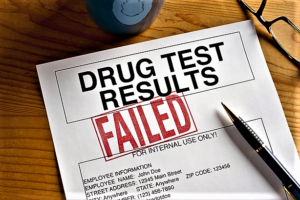
Drug abuse in the workforce is a growing challenge for American business. While economists have paid more attention to the opioid epidemic’s role in keeping people out of work, about two-thirds of those who report misusing pain-relievers are on the payroll. In the factory or office, such employees can be a drag on productivity...In the worst case, they can endanger themselves and their colleagues...Then there are the added care costs...opioid abusers cost employers nearly twice as much in health-care expenses as their clean co-workers -- an extra $8,600 a year...57 percent of employers say they perform drug tests, according to the National Safety Council. Out of those, more than 40 percent don’t screen for synthetic opioids like oxycodone -- among the most widely abused narcotics, and one of the substances that new federal rules are targeting...There’s a growing consensus among economists that opioid abuse has contributed to the shrinking workforce...estimates that drugs may account for one-fifth of the drop among men...Productivity growth in the U.S. economy has been slowing for decades. There’s little consensus about the causes. But there are signs that the spread of drug-abuse could be contributing to the problem...
- CVS Health Increases Restrictions On Opioids (forbes.com)

CVS Health will ratchet up scrutiny of opioid prescriptions in an effort to reduce misuse and abuse of the overprescribed painkillers...CVS, which also operates one of the nation’s largest pharmacy benefit managers in Caremark, said it will roll out an “enhanced opioid utilization management approach for all commercial, health plan, employer and Medicaid clients as of February 1, 2018 unless the client chooses to opt out.”...CVS said its program will include “limiting to seven days the supply of opioids dispensed for certain acute prescriptions for patients who are new to therapy; limiting the daily dosage of opioids dispensed based on the strength of the opioid; and requiring the use of immediate-release formulations of opioids before extended-release opioids are dispensed.”...
- Experts Set a 10-Year Roadmap for Optimizing Lyophilization (biopharminternational.com)

The Advanced Lyophilization Technology Hub, a consortium of experts at Purdue University, has published a 10-year road map to identify improvements that are needed to freeze drying, or lyophilization, a mainstay of drug manufacturing that has seen little fundamental change since it was introduced to the pharmaceutical industry in the 1940s. The roadmap represents the collective knowledge of more than 100 individuals from industry, academia, and government laboratories who focus on lyophilization...“Ultimately, we’d like to help bring about high-quality, lower cost, more readily available pharmaceuticals and food products that are made with lyophilization or related new technologies,” said Elizabeth Top, a professor at Purdue’s Department of Industrial and Physical Pharmacy...the road map identifies the key factors driving change, gaps in technology that require research solutions, industry needs, educational roles and regulatory issues that will help shape the field over the next decade...Improvement is most urgently needed in products, process, and equipment...
- Pharmacists Helping Others – Hurricane Irma Resources (myemail.constantcontact.com)

As many find themselves dealing with the devastating aftermath of yet another hurricane, the International Academy of Compounding Pharmacists wanted to highlight members who are working around the clock to help patients and other pharmacists, as well as provide you with invaluable pharmacy and legal resources that are available for you..
- This Week in Managed Care: September 22, 2017 (ajmc.com)
Laura Joszt, assistant managing editor at The American Journal of Managed Care. Welcome to This Week in Managed Care from the Managed Markets News Network
- Many drug companies fail to conduct timely safety checks on medicines after FDA approval (reuters.com)
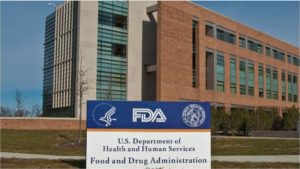
In the rush to approve new medicines, the U.S. Food and Drug Administration often requires drug companies to study possible side effects and alternative doses for medicines once they hit the broader market...A new analysis in the New England Journal of Medicine concludes that, in many cases, that’s not being done...among the 614 studies mandated in 2009 and 2010, 20 percent were never started and 9 percent have been delayed...When drugs are approved, the trials are usually small and short-term, and some side effects may not emerge until the post-marketing phase...The problem is, the faster you get them on the market, the more open questions there are about their safety or the best dose...In some cases, the FDA has simply dropped a requirement for a postapproval study without giving a reason...
- Injunction denied: Pharma argument fails to freeze Nevada drug pricing law (fiercepharma.com)

Drug pricing regulation hasn't gained much ground on a national level, but in Nevada, there's a fierce fight over pricing and transparency for diabetes medications. In the latest twist, the industry lost its bid to stall a new law that's designed to shine light on pricing practices...Industry groups PhRMA and BIO filed for a temporary restraining order and preliminary injunction against officials in Nevada, contending that the state's Senate Bill 539 will "impose irreparable injury" against drugmakers...The bill mandates that the state gather a list of essential diabetes medicines and as well as detailed pricing information from companies that sell those drugs. The reports would include costs, profits, rebates and other details, in addition to pricing numbers...And then that information would go public: Under the law, the state would publish the reported info online.
- Pharmacy Week in Review: September 22, 2017 (pharmacytimes.com)

Nicole Crisano, PTNN. This weekly video program provides our readers with an in-depth review of the latest news, product approvals, FDA rulings and more.
- Will Amazon really get into drug sales? It’s in talks with PBMs already, report says (fiercepharma.com)

Rumors that Amazon is looking to parachute into the drug field are getting louder. Amazon is already in talks with pharmacy benefits managers...and that poses a larger threat to the pharma industry than some might realize...The retail giant has stayed quiet about its pharma ambitions... a report saying the category-killer is in talks with mid-size PBMs "in an effort to get into various contract arrangements,"...A potential entrance into the drug business could take 18 to 24 months...but Amazon could be a "bigger threat" to the pharmaceutical status quo than many appreciate...There's plenty of reason Amazon might want to get into the drug supply chain...the field is worth $125 billion each year, or 30% of U.S. net pharma spending. To start, the company might offer a strong user experience and a top-notch logistics network, later looking to change transparency dynamics on pricing...the company might partner with a PBM as a "path of least resistance." Other routes into pharma for Amazon would be as an online pharmacy, a retail plus online pharmacy, an integrated PBM or a distribution player to pharmacies...
- Manufacturers Seek Strategies for Ensuring Quality of Innovative Therapies (biopharminternational.com)

Continued industry investment in advanced biologics will raise further regulatory challenges and require innovative manufacturing systems...The challenges in producing cellular and gene therapies and other cutting-edge products that meet standards for safety, efficacy, and quality was high on the agenda for biopharmaceutical companies at PDA/FDA annual joint regulatory conference...
- Center for Biologics Evaluation and Research...is expediting the development and approval of human cellular and tissue products...vetting new regenerative medicine advanced therapies, including those utilizing gene-editing technology to treat malignancies and diseases...
- National Institutes of Health...cell biology and tissue engineering to advance regenerative medicine...these products require very different manufacturing and dosing processes and raise multiple challenges for scale-up and for keeping cells alive during processing...
- CBER’s Office of Tissues and Advanced Therapies...devising standards for characterization and potency assays for regenerative products, stem cell therapies, therapeutic vaccines, gene therapies, antivenins and certain combination products…importance of controlling the manufacturing process for these products and...challenges in achieving the right level of product characterization based on critical quality attributes.