
- The FDA targeted DTC, video, unapproved drug promotion in 2016 (mmm-online.com)
The FDA is taking a closer look at how drugmakers use channels like direct-to-consumer advertising and video, a shift that has raised questions for pharmaceutical marketers...On its face, the FDA's Office of Prescription Drug Promotion's batch of enforcement letters in 2016 seems par for the course, with the agency issuing a total of 11 letters, compared to 2014's and 2015's totals of nine each. But these letters contain important warnings for drugmakers about the FDA's evolving views on promotion, and what channels, tactics, and drugs it's examining closely…The OPDP...issued two enforcement letters for DTC TV ads developed by Sanofi for its insulin Toujeo and Celgene for its psoriasis drug Otezla. Regulators said the ads were distracting to viewers because they used frequent scene changes — and, in Otezla's case, abrupt changes in music — to distract viewers from presented risk information...These untitled letters were noteworthy because they signal a subtle shift in enforcement actions, with the FDA now examining tactics within DTC ads rather than focusing on bigger, more serious infractions, such as omitting risk information entirely…the FDA saying the viewer couldn't understand it because the imagery was too fast moving or the music was too catchy in the background...
- No new antidepressants in sight despite growing need, experts warn (finance.yahoo.com)

It is likely to be at least 10 years before any new generation of antidepressants comes to market, despite evidence that depression and anxiety rates are increasing across the world…The depression drug pipeline has run dry partly due to a "failure of science"...but also due to big pharma pulling investment out of research and development in the neuroscience field because the profit potential is uncertain...risk aversion was understandable given uncertain returns and the approximately billion dollar cost of developing and bringing a new drug to market...Treatment for depression usually involves either medication, some form of psychotherapy, or a combination of both. But up to half of all people treated fail to get better with first-line antidepressants, and around a third of patients are resistant to relevant medications...
- Henderson man pleads guilty in $100M health care fraud scheme (reviewjournal.com)

A Henderson man has pleaded guilty to fraudulently distributing more than $100 million worth of prescription drugs that came from the black market...Randy Crowell, 56, entered the plea last week in federal court...on one count of conspiracy to commit health care fraud. The case stretches from Utah, where Crowell’s wholesale distribution company was based, to street corners of Manhattan and the Bronx, where people sold their prescriptions to low-level collectors for $40 a bottle or more...Crowell gained about $16 million in profits…Crowell ran the scheme...as the operator and owner of a licensed wholesale distributor of prescription medications...During that time, he and co-conspirators funneled prescription medications from the black market to pharmacies nationwide...He exposed people with life-threatening illnesses to medicines they had no idea had been diverted from the normal stream of commerce, all the while defrauding health care companies and government benefit programs…
- Hospital Fined $510,000 After Pharmacist’s Illicit Prescription Drug Diversion (pharmacytimes.com)
A Pennsylvania hospital has agreed to pay $510,000 in fines after an inpatient pharmacist stole controlled substances. The pharmacist, Renata Dul, was found to have stolen more than 35,000 units of a controlled substance, including oxycodone….Abington Memorial Hospital disclosed the pharmacist’s actions to the DEA after detecting a discrepancy during inventory, which prompted an investigation that revealed pill count discrepancies, missing or incomplete medication inventories, and altered or missing drug records. An internal investigation pinpointed Dul’s ability to exploit a gap in the software used to track prescription medications...AMH agreed to pay a fine in response to allegations that their failures in control and practices enabled Dul to divert controlled substances for illegal, non-medical uses...
- FDA calls for switching studies in draft interchangeability guidelines (biopharma-reporter.com)

The FDA expects biosimilar developers to provide data from switching studies to demonstrate interchangeability with a reference biologic in draft guidance...The recommendation – which is set out in long awaited draft guidance today – is that sponsors should submit data from a switching study, or studies, to the Food and Drug Administration in order to deem a biosimilar interchangeable with its reference product…The main purpose of a switching study or studies is to demonstrate that the risk in terms of safety or diminished efficacy of alternating or switching between use of the proposed interchangeable product and the reference product is not greater than the risk of using the reference product without such alternation or switch…prior to today’s draft guidance the US agency had not defined how a sponsor must go about generating such proof (interchangeability)...
- Drugmakers ‘hijacked’ the FDA’s orphan system to score premium pricing on mass-market meds: report
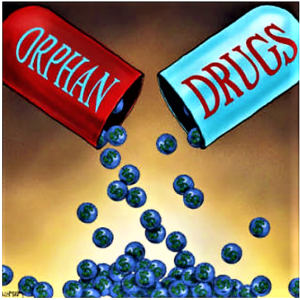
There’s no denying that financial incentives for orphan drug development spawned meds that have saved hundreds of thousands of lives. But they’ve also helped mass-market drugmakers rack up millions in incentives, tax breaks and patent-protected profits—in some cases through monopoly pricing...About one-third of the orphan drug approvals the FDA doled out since the program began more than 30 years ago have been for repurposed, large-market products or drugs with multiple orphan green lights...Best-sellers such as Crestor…,Abilify…,Herceptin…,and Humira...fall into the category of big sellers whose makers snagged millions in government incentives—not to mention seven years of exclusive rights on the market—when they resubmitted their therapies as treatments for smaller populations...What we are seeing is a system that was created with good intent being hijacked…Repurposing a drug isn’t necessarily a bad thing, of course, if it can help get a treatment to additional patients...But when the orphan incentives allow competition-free drugmakers to charge whatever prices they want for their meds?...Now...it seems like...this practice may be driving up prices...Industry lobby groups...are unsurprisingly in favor of maintaining the status quo. With rare diseases “tragically killing and brutalizing mostly children,” incentives for orphan drugmakers should be kept in place...the risk of losing incentives in the system far outweighs the benefit of trying to save a few pennies on the health care dollar...
- U.S. Supreme Court agrees to hear dispute over biologic drug sales (reuters.com)
The U.S. Supreme Court...agreed to hear a dispute over whether companies that make copycat versions of biologic drugs must wait six months after winning federal approval to begin selling them...an appeal by Novartis AG of a 2015 federal appeals court decision that prevented the...company from selling its biosimilar version of...Amgen Inc's $1-billion-a-year Neupogen until six months after the Food and Drug Administration approved it. The case could determine how quickly patients have access to biosimilar medicines at potentially cheaper prices...The dispute arose when Amgen sued Sandoz...alleging patent infringement and violations of the law governing biosimilars. The companies disagreed on how to apply the law's requirement that a biosimilar drug maker give the brand-name manufacturer 180 days notice before launching its copycat version...The justices...also agreed to resolve Amgen's appeal in the same case over whether biosimilar makers must give brand-name manufacturers a copy of their application to make a copycat drug after it is submitted to the FDA.
- McKesson in record $150 million U.S. settlement over suspicious drug orders (reuters.com)
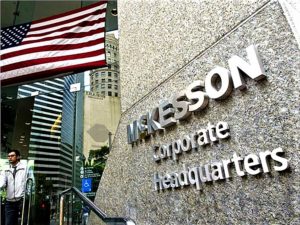
McKesson Corp, one of the largest U.S. distributors of pharmaceutical drugs, will pay a record $150 million to resolve a U.S. investigation into whether it failed to report suspicious orders of addictive painkillers...Tuesday's deal...followed an earlier settlement with the company over similar violations in 2008...Under the settlement, San Francisco-based McKesson must on a staggered basis suspend sales of controlled substances from distribution centers in Colorado, Ohio, Michigan and Florida for several years...The Justice Department said the evidence showed that McKesson did not fully implement or adhere to its own compliance program designed after the 2008 settlement.
- Former Lincoln County commissioner sentenced in insurance fraud case (reviewjournal.com)
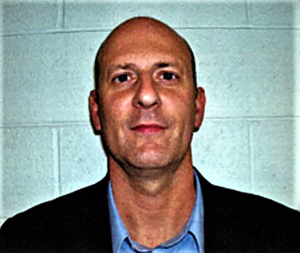
A former Lincoln County commissioner was sentenced Friday to one-to-four years in prison for defrauding insurance companies...Adam Katschke...previously pleaded guilty to felony insurance and Medicaid fraud in the case...Katschke, the head pharmacist and owner of Meadow Valley Pharmacy in Caliente, defrauded insurance companies...by billing for large amounts of pharmaceutical prescriptions that were rarely provided as billed to the patients or prescribed by a physician...The sentencing...ordered Katschke to pay $1.5 million in restitution...The defendant stole a million and a half dollars from taxpayers through Medicaid, a program designed to provide care for those in need, not line the pockets of fraudsters…
- New York takes drug pricing into its own hands with new clampdown (fiercepharma.com)
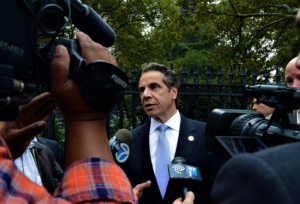
New York Governor Andrew Cuomo has...unveiled a first-of-a-kind proposal to curb “exorbitant” prescription prices in the Empire State...New York will create a “review board” to determine the “fair price” for certain expensive drugs under the plan...and then the state will mandate that Medicaid won’t pay more than that amount for its purchases. When a company charges Medicaid more than the board’s set price, it’ll owe a “rebate for any amount” in excess...The proposal would also impact private markets. If a pharma company sells into the state at a price higher than the board’s set amount, that sale will be hit with a surcharge; the government will collect that money and reallocate it “back to the insurance providers to reduce the cost of insurance.”…Lastly, Cuomo's proposal includes new restrictions on pharmacy benefit managers, forcing them to register with the state and disclose “financial incentives or benefits for promoting the use of certain drugs, as well as other financial arrangements affecting customers,”...Then, under the plan, PBMs must have a license beginning in 2019 and the state could revoke those licenses for “deceptive, unfair, or abusive business practices.”...