
- Congress tries to fix a drug voucher program, but critics say it’s not enough (statnews.com)

A congressional committee voted...to make changes to a controversial program that was designed to spur development of new drugs for neglected tropical diseases. But the effort...is still encountering criticism for not going far enough...At issue are priority review vouchers, which can be awarded to a drug maker that wins regulatory approval of a treatment for certain tropical diseases. Companies can later redeem a voucher when seeking approval for yet another medicine that would be used to treat any illness. And the Food and Drug Administration must review the other drug in six months, instead of the standard 10 months...critics say the program does not do enough to ensure drug makers develop needed salves. A chief complaint is that vouchers can be awarded to a company without having to invest in new R&D or even in a new medicine...House Energy and Commerce Committee...voted to address such concerns...For instance, companies would not be awarded a voucher for drugs previously approved in other countries; they would have to provide more information about plans to launch their tropical disease medicines outside the United States; and they would be required to provide data on patient demand worldwide.
- Pharmacy education and provider status – Validating the 60-year debate (drugtopics.modernmedicine.com)
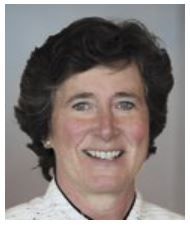
Lucinda Maine, executive vice president and CEO, American Association of Colleges of Pharmacy.
The knowledge, skills, and attitudes pharmacists must have in order to meet the needs of Medicare beneficiaries are exactly those that graduates acquire in our colleges and schools of pharmacy today. It might be said that practice will finally catch up with education...Why were pharmacists not included among the list of professionals when Medicare was enacted 50 years ago?...there was no vision for pharmacists' patient-care services in this era...In the decades following the introduction of Medicare, medication use has become increasingly complex. Pharmacists in every practice setting have demonstrated their ability to collaborate with prescribers to identify patients' drug-related needs...Pharmacy organizations lobbied successfully to include a modest provision for patient-care services in Medicare Part D, and medication therapy management services are currently provided on a limited basis...The profession has the potential to offer much greater value, especially to those in medically underserved communities...Are we prepared to deliver such services when Congress amends the Medicare law and adds pharmacists to the list of providers? I believe the majority of pharmacists stand ready to expand their patient-care services...As pharmacy is recognized for its vital contribution to healthcare and wellness, pharmacy education will adapt to meet the needs of the pharmacists of today and tomorrow...
- Dr Aimee Tharaldson Expects the Biosimilar Approval Process to Pick Up Speed (ajmc.com)
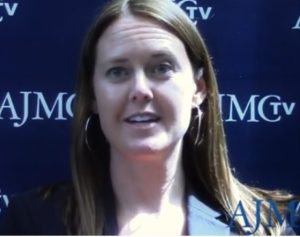
The process for approving biosimilars has been moving slowly, but Aimee Tharaldson, PharmD, senior clinical consultant of emerging therapies at Express Scripts, foresees them as having the potential to lower costs for the industry and hopes the approval process will pick up speed.
- FDA seeks suspension of 4,402 illegal prescription drug websites (reuters.com)

The U.S. Food and Drug Administration said...along with international authorities, has formally sought to suspend 4,402 websites that illegally sell potentially dangerous, counterfeit or unapproved prescription drugs to U.S. consumers...The move is part of a global effort being led by the INTERPOL...to identify the makers and distributors of illegal prescription drugs...the FDA said it has also issued warning letters to operators of 53 websites that illegally sell unapproved and misbranded prescription drug products to U.S. consumers...Preliminary findings...showed U.S. consumers had purchased certain unapproved drug products from abroad to treat depression, narcolepsy, high cholesterol, glaucoma, and asthma, among other conditions...
- Colombia plans to unilaterally lower the cost of a Novartis cancer drug (statnews.com)

...the Colombian health minister plans to unilaterally force Novartis to lower the price for its Gleevec (imatinib) cancer medicine after more than two weeks of talks over a price cut went nowhere...In public comments today, Health Minister Alejandro Gaviria said he will declare a lower price for the widely used cancer medicine as being in the public interest because it would save the country needed health dollars. Under this scenario, Novartis would be obligated to sell Gleevec at the new price, although he did not specify what that might be...The battle over Gleevec has been closely watched as the latest manifestation of a global skirmish over the cost of medicines. Patient groups see it as a test case for using legal rights to ensure needed medicines are accessible, while companies see it as a potentially precedent-setting case in which a middle-income country use trade rules to lower its drug costs...
- Fake vaccination papers let yellow fever spread in Angola (reuters.com)

The world's worst yellow fever outbreak in decades took hold in an Angolan slum because its early victims were Eritrean migrants whose false vaccination papers sent doctors off on the wrong path for weeks...The flare-up of the mosquito-borne disease has killed 325 people in Angola, spread as far as China - which has close commercial links with oil-rich Angola - and raised fears of the world running out of vaccine, but it might have been stopped in its tracks if it had been identified quickly in Luanda...Nearly the whole of Luanda has now been vaccinated, but the mass campaign across the rest of the country has depleted the world's emergency vaccine stockpile and there is no quick way to boost production...Manufacturers, including the Institut Pasteur, government factories in Brazil and Russia, and French drugmaker Sanofi, use a time-consuming method involving sterile chicken eggs...
- Pharmacy Week in Review: June 10, 2016 (pharmacytimes.com)
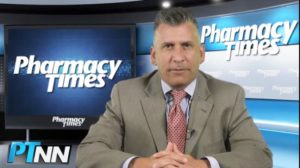
Brian Haug, President of Pharmacy and Managed Markets, Pharmacy Times (PTNN) This weekly video program highlights the latest in pharmacy news, product news, and more.
- Monitoring doctors cuts opioid prescriptions (reuters.com)
Doctors in states that track painkiller prescriptions were nearly one-third less likely to offer patients dangerously addicting opioids, a new study found...The launch of drug-monitoring programs in 24 states led to an immediate 30 percent drop in prescriptions for Schedule II opioids, the most addictive, in patients with pain complaints...We are moving in the direction of raising awareness about overprescribing these drugs...But we still have a lot to do in terms of changing the culture and practice of painkiller prescriptions...Drug-monitoring databases may make doctors think twice before prescribing pain medications for a variety of reasons in addition to uncovering "doctor shopping" by patients...Knowing that they’re being watched may serve as a deterrent, and the programs may generally increase awareness of the dangers of prescribing opioids...
- Dr Steven Pearson Explains the Growth in Specialty Medications (ajmc.com)
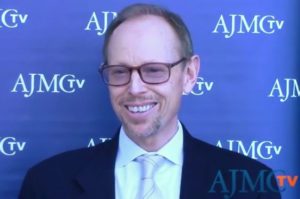
As the name and meaning of specialty medications have grown over time, so too has the importance of these pharmaceuticals, said Steven D. Pearson, MD, MSc, president of the Institute for Clinical and Economic Review.
- Vermont Pharmacists Cheer Provider Status Portions of New State Opioid Law (ashp.org)

Tucked inside a new Vermont law to combat opioid abuse are provisions that define clinical pharmacy services and indirectly confer healthcare provider status on pharmacists in the state...The legislation, formerly known as Vermont Senate Bill 243, defines a healthcare provider as "a person, partnership, or corporation, other than a facility or institution, that is licensed, certified, or otherwise authorized by law to provide professional health care service in this State to an individual during that individual's medical care, treatment, or confinement."...Separately, the law defines clinical pharmacy, in part, as the health science discipline through which a pharmacist "provides patient care to optimize medication therapy and to promote disease prevention and the patient's health and wellness."...The new law also states that insurers "may" pay or reimburse pharmacists for providing clinical services within their scope of practice...The next goal, he (VtSHP President Jeffrey Schnoor) said, is to secure reimbursement for services that pharmacists, as recognized healthcare providers, provide to Medicaid beneficiaries—and to be ready for future federal-level recognition as healthcare providers under Medicare.