
- China, in typical fashion, arrests dozens as drug oversight draws attention (fiercepharmamanufacturing.com)

In a typical response to publicity that its pharma supply chain has been breached, China has rounded up dozens of suspects as it investigates an operation said to have illegally sold vaccines that may not have been safely stored or shipped...Citing China's official news agency, Xinhua, Reuters reports that authorities arrested 37 people in the crackdown. The report said the arrests were made after Premier Li Keqiang called for a complete investigation but that it wasn't clear that everyone picked up was tied to the operation that reportedly sold $88 million worth of vaccines over 5 years...China has been beefing up its drug and food safety apparatus for several years after being embarrassed internationally over a number of cases where tainted products showed up in China or were shipped to other countries. It is pretty common for authorities to respond with a police sweep that nabs lots of people...
- Sprout investors say Valeant prices ‘female Viagra’ too high: Bloomberg (reuters.com)

Investors in Sprout Pharmaceuticals, which makes the first drug to treat low sexual desire in women and was bought by Valeant Pharmaceuticals International Inc last year, say the drug has been priced too high...By overcharging for the drug and neglecting to market it, Valeant has undercut the commercial success of the drug...Valeant priced Addyi (flibanserin)... at $800 a month even though Sprout had established a price point of about $400 a month based on market research...Due to the higher price point, insurance companies refused to cover the drug, helping to make it unaffordable for millions of women...Valeant said it was continuing to work closely with pharmacists, healthcare providers, and patients to educate them about the drug...Valeant intends to comply with all of its obligations under our agreement with the former shareholders of Sprout, including, as they relate to marketing spend, number of sales reps, and post-marketing studies...
- Pharmacists Should Target ACS Patients with Low Health Literacy (pharmacytimes.com)
Patients with limited health literacy are especially vulnerable to medication-related problems that contribute to hospital readmissions...recently published a study that shows targeted pharmacist interventions may reduce unplanned health care utilization among patients with limited health literacy...This...study employed medication reconciliation, inpatient counseling, low-literacy adherence aids, and individualized telephone follow-up to reduce 30-day hospital readmissions. It enrolled patients with acute coronary syndrome and acute decompensated heart failure...pharmacist intervention...reduced health care utilization...primarily through decreased emergency department visits...Patients with limited health literacy have more to gain from pharmacist intervention. They face barriers to care that pharmacists can help bridge...targeting patients with low health literacy to produce the greatest benefit with limited resources. The researchers recommended stratifying patients based on health literacy at admission and including pharmacist-driven medication-related problem interventions in a multidisciplinary and multifactorial initiative.
- Canadian Stocks Fall Third Day as Concordia Weighs on Drugmakers (bloomberg.com)

Canadian stocks retreated for a third day, as disappointing earnings from Concordia Healthcare Corp. dragged drugmakers lower and financial shares slumped...The Standard & Poor’s/TSX Composite Index fell 0.2 percent to 13,358.11 at 4 p.m. in Toronto. The benchmark gauge has lost 1 percent in the holiday-shortened week, capping the longest streak of losses since Feb. 11. The index remains one of the top performers among developed markets this year with a gain of 2.7 percent...Health-care stocks faltered. Concordia plunged as much as 13 percent, the most since October, after the company posted earnings that missed analysts’ estimates. Valeant Pharmaceuticals International Inc. slipped 6.7 percent to halt a three-day rally that added 26 percent to shares in the embattled drugmaker...
- Drug Diversion and Appropriate Opioid Use (pharmacypodcast.com)
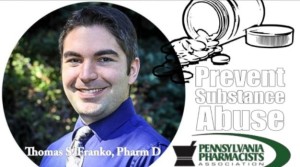
Dr. Thomas S. Franko discusses drug diversion and prescription drug abuse (podcast 30:10m).
- BMA plans full-scale walkout by junior doctors (pharmatimes.com)
British Medical Association is stepping up industrial action by junior doctors over the government’s imposition of a new working contract...including a full-scale walkout next month as relations between the two sides continue to deteriorate...It claims that the government continues to ignore the union’s concerns about the impact of imposition on morale and the already worsening recruitment and retention crisis in the ranks of junior doctors...We deeply regret the disruption to patients and our message to patients is clear; this action is wholly avoidable but the government must choose talks over imposition...Department of Health said in a statement: This escalation of industrial action by the BMA is both desperate and irresponsible - and will inevitably put patients in harm’s way...
- Pharmacy Residency Match Results for 2016 Released (pharmacytimes.com)
Nearly 4000 pharmacy students recently matched with 1797 residency programs across the country...For residency applicants who haven’t matched into programs, the good news is that they have another chance to do so though the Second Residency Match...Interest in residencies is on the rise, and pharmacy students increasingly have more opportunities to land them. The American Society of Health-System Pharmacists Resident Matching Program noted that 322 residency positions were added to this year’s Match...The Match results show that the growth in numbers of both residency programs and available positions is outpacing the growth in the number of applicants...That’s definitely a win in ASHP’s efforts to grow residency program capacity across the country...ASHP stated that it added the Second Match this year because of the increasing number of pharmacy students and pharmacists who wish to pursue residencies, as well as the number of programs who want pharmacy students and pharmacists.
- Novartis agrees to $25m settlement over bribery charges in China (statnews.com)
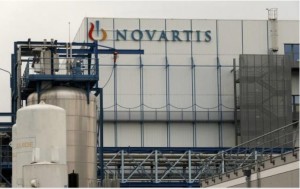
Novartis...agreed to pay $25 million to settle charges that it violated the Foreign Corrupt Practices Act by making illegal payments to health care providers in China. In doing so, the company becomes the latest drug maker to get punished for paying bribes in order to boost sales in a foreign country...The settlement also comes just one month after South Korean authorities raided Novartis offices in search of evidence the company bribed local doctors...In China, Novartis employees at two different Chinese subsidiaries gave money, gifts, vacations, and entertainment, among other things, to health care professionals between 2009 and 2011, according to an administrative order filed by the US Securities and Exchange Commission...At the same time, the SEC said that Novartis failed to devise and maintain a sufficient system of internal accounting controls and lacked an effective anticorruption compliance program to detect and prevent these schemes. As a result, the improper payments were not accurately reflected in Novartis’s books and records...Novartis spokesman...the issues raised by the SEC largely pre-date many of the compliance-related measures introduced by Novartis across its global organization in recent years. We believe these measures...address the issues raised by the SEC and reflect a broader initiative by Novartis to align and enhance our compliance standards globally...
- U.S. spends $3 billion a year on unused cancer drugs (reuters.com)
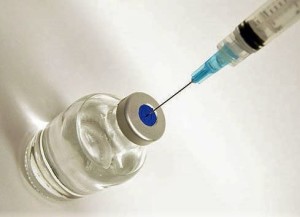
U.S. doctors and hospitals throw out almost $3 billion in unused cancer drugs each year because the medicines come in supersized single-use packages and excess medicine must be discarded for safety reasons, a recent paper suggests...Researchers focused on 20 expensive medicines that are given by injection or intravenous drip and require doses adjusted based on the patient’s body size. Often, the packages contain much more medicine than patients need, and the leftovers wind up in the trash...The waste is driving up the cost of their care and it is money that they are spending that provides them no benefit...It also drives up the cost for their insurance, which leads to higher premiums, which costs them more money too...Patients and insurers pay drug manufacturers about $1.8 billion a year for medicines that are thrown away...Biologic medicines often lack preservatives and have a higher risk of contamination than other drugs, and leftovers from single-use vials are thrown out because using them could give patients infections...One of the clearest solutions to this waste is to have more dosing options available...That would require drug makers to sell the medicines in a variety of package sizes.
- Pharmacy Week in Review: March 24, 2016 (pharmacytimes.com)

Mike Glaicar, Business Development: Pharmacy Times...(PTNN) This weekly video program provides our readers with an in-depth review of the latest news, product approvals, FDA rulings and more.