
- FDA proposes guidelines for generic abuse-deterrent opioids (statnews.com)General Principles for Evaluating the Abuse Deterrence of Generic Solid Oral Opioid Drug Products (fda.gov)
In the latest attempt to curb the spiraling opioid epidemic, generic companies will face new drug development requirements before they can sell copycat versions of abuse-deterrent opioids, according to a draft guidance released today by the Food and Drug Administration...the agency is recommending that generic drug makers run a variety of studies and provide data analyses to demonstrate that their medicines are no less abuse-deterrent than the brand-name products on which they base their own medications...We recognize that abuse-deterrent technology is still evolving and is only one piece of a much broader strategy to combat the problem of opioid abuse...encouraging generic alternatives can achieve that goal, especially since these are generally lower-cost alternatives to brand-name medicines...The draft guidance, however, won’t be finalized until after a 60-day comment period and the agency digests the reactions...The greater concern is whether the tamper resistance and abuse deterrence of the original formulation is sufficient. Many people abuse and misuse opioids orally, in which case tamper resistance will be essentially ineffective...
- Many seniors using dangerous drug combinations (cbsnews.com)Changes in Prescription and Over-the-Counter Medication and Dietary Supplement Use Among Older Adults in the United States, 2005 vs 2011 (abst) (archinte.jamanetwork.com)
One in six seniors in the U.S. regularly uses potentially dangerous combinations of prescription and over-the-counter medications and dietary supplements, according to new research...This is a major public health problem...Many of these potentially deadly drug interactions involve prescription and non-prescription medications and supplements that are not only commonly used, but are increasingly being used by older adults. While it is not known how many older adults...die of drug interactions, the risk seems to be growing and public awareness is lacking...study authors identified 15 potentially life-threatening drug combinations...health care providers should carefully consider the potential adverse effects of commonly used prescription and nonprescription drug combinations...and counsel their patients about the risks...Improving safety in the use interacting medication combinations has the potential to reduce preventable, potentially fatal, adverse drug events...We need to create systems that support an ongoing process of monitoring medications...Such systems would help us periodically assess the benefits, harms and ongoing need for each of a patient's medications, as well as the reasonableness of the medication regimen as a whole. These systems could also help physicians with deprescribing, for example by supporting gradual down-titration of a medication and monitoring patients for adverse drug withdrawal reactions after a drug is stopped...
- Tele-pharmacies could spread through rural Iowa (press-citizen.com)Iowa Senate Bill 453: A bill for an act relating to the board of pharmacy... (legiscan.com)

Dorothy Perish, 85, uses a tablet computer to fill a prescription at the NuCara Pharmacy in Zearing
...small towns are looking to this corner of Story County for an answer to a chronic challenge: How can rural areas provide crucial pharmacy services, especially for elderly people who have trouble traveling?...Zearing leaders say the key is tucked in the corner of a former beauty parlor that has been transformed into a small drugstore. Next to the counter, organizers set up a video screen through which customers can interact with pharmacists working in larger towns...The pharmacists explain how patients should take medications and avoid interactions with other drugs. Customers can ask questions and raise concerns. The video conversations, which usually take a minute or two, could soon become more common around the state...Iowa legislators are considering a bill that would let state pharmacy regulators routinely approve tele-pharmacies instead of handling them as limited pilot projects.
- Obamacare Was Going to Lower Health Care Costs. What Actually Happened. (dailysignal.com)
Has Obamacare Reduced Costs?...Those family cost savings, of course, have not materialized...the health care cost curve is still on an upwardly mobile trajectory...Centers for Medicare and Medicaid Services data show that total per capita health insurance spending will rise from $7,786 in 2016 to $11,681 in 2024. Looking at the future of employer-based health insurance costs, the Congressional Budget Office (CBO) projects that job-based premiums are poised to increase by almost 60 percent between now and 2025...the Affordable Care Act...calls for sustained payment cuts to the popular Medicare Advantage program. It also has scheduled some big Medicare payment reductions over the next ten years for hospitals, nursing homes, home health agencies and even hospice care programs...Medicare trustees report that, if policymakers really go through with these Affordable Care Act provisions, 50 percent of America’s hospitals, 70 percent of the nation’s nursing homes and 90 percent of the nation’s home health agencies will be operating in the red in the next 24 years...This...will jeopardize seniors’ access and quality of care.
- Poland to ban prescription-free emergency contraception (reuters.com)

Poland's ruling conservatives plan to reinstate a prescription requirement for "morning after" emergency contraceptive pills, a move critics say reflects Catholic Church pressure and may lead to unwanted pregnancies...the...Law and Justice party has taken steps to redesign Poland's young democracy to reflect the country's traditional Catholic values...The party has already said it will end state funding for in-vitro fertilization, saying it is too expensive. The powerful Polish Catholic Church strongly opposes IVF, as well as morning after pills...There is now just one morning after pill available in Poland without a prescription to women 15 and over. It became available over the counter early last year, following a decision of the European Commission to authorize its prescription-free sale...Polish health ministry wants to reinstate the prescription requirement...
- Aprecia announces availability of 3D-printed drug Spritam (drugstorenews.com)
Aprecia Pharmaceuticals announced the U.S. availability of its Spritam (levetiracetam) tablets...The epilepsy medication is the first tablet made using the company’s ZipDose 3D printing technology to be approved by the Food and Drug Administration. It is designed to dissolve with a sip of liquid, easing the process of taking medication for patients with difficulty swallowing...
- AAP cooperative adds more than 300 independents with PIPCo acquisition (drugstorenews.com)
American Associated Pharmacies, a member-owned cooperative comprised of over 2,100 independent pharmacies located in 49 states, announced...that it has reached an agreement to acquire the assets of Partners in Pharmacy Cooperative, an independent pharmacy cooperative with more than 300 members in 19 states...The acquisition of PIPCo fits within AAP's growth strategy and solidifies its position as a leader in the independent pharmacy cooperative market... AAP has a successful track record of business consolidation, helping to strengthen independent pharmacy's influence in the marketplace...In addition, AAP realizes additional cost synergies through its recently announced joint venture, Arete Pharmacy Network, the fourth largest nationwide Prescription Service Administrative Organization.
- Drug Disposal Kiosks Help Hospitals Serve Their Community (ashp.org)
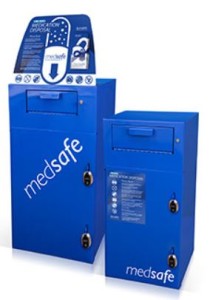
Patients who need to dispose of unwanted controlled substances and other medications are embracing the convenience of drug disposal kiosks managed by their local health-system pharmacies..."We've collected a little over two tons, in the last year, of unwanted medications," said Buck Stanford, community pharmacy operations director for Intermountain Healthcare...all 25 of Intermountain Healthcare's community pharmacies have a way for patients to dispose of their medicines...Kristina McGill...at Beth Israel Deaconess Hospital...fall became the second in Massachusetts to set up a drug disposal kiosk and the first to install one outside of the pharmacy...Both health systems obtained their kiosks, known as MedSafe units, from Sharps Compliance Inc....The steel kiosks are double padlocked and contain an inner receptacle consisting of sturdy inner and outer cardboard boxes plus plastic liners and absorbent pads. The inner boxes double as a shipping container for sending the medications away for incineration...The Drug Enforcement Administration in...2014 implemented a regulation that allows pharmacies and other healthcare entities to register as collection sites for controlled substances and other unwanted medications...as of February 29, a total of 882 DEA registrants had been designated as collectors...ASHP policy 0614, Safe Disposal of Patients' Home Medications, encourages pharmacists to develop patient-oriented medication disposal options that minimize the risk of accidental poisoning, drug diversion, and adverse effects on the environment...
- Hackers hit two California hospitals with ransomware (healthcareitnews.com)

Two California hospitals – Chino Valley Medical Center in Chino and Desert Valley Hospital in Victorville – have been attacked by hackers demanding a ransom...The latest hit comes just a month after Hollywood Presbyterian paid hackers a $17,000 ransom to regain control over its computer systems and during the same week on the heels of ransomware attacks against Methodist Hospital in Henderson, Kentucky, and Ottawa Hospital in Ontario, Canada...Organizations with a good defense-in-depth strategy, advanced detection capabilities and solid response and contingency plans will fare far better when attacked...Make no mistake about it. Protecting information assets is a business issue and organizations that don't recognize this will pay for it.
- Anthem and Express Scripts war could change the pharmacy benefits model (statnews.com)

The raging dispute between Anthem...and Express Scripts...is winning notice because the companies are battling over billions of dollars in prescription drug costs. Specifically, Anthem contends Express Scripts, which manages prescription drug benefits for health plans, failed to pass along rebates negotiated with drug makers...The battle, which is described in a lawsuit filed in federal court in New York...Anthem claims emphatically that Express Scripts has not been transparent because a third-party consultant conducted an audit and found the insurer was overpaying Express Scripts by about $3 billion annually...Anthem is seeking $15 billion in damages and wants out of its contract with Express Scripts...The outcome "could have far-reaching effects" on pharmacy benefits management..."The lawsuit challenges a fundamental aspect of PBM-insurer relationships: the value of a PBM’s negotiating power" with drug makers. The dispute could "embolden other (Express Scripts) clients to do the same" thing and claim they are not receiving rebates to which they are entitled...Another industry watcher...suggests that Anthem may have an additional motive for its lawsuit beyond recovering money. Anthem plans to merge with Cigna...which happens to have its own pharmacy benefits manager..."Anthem likely wants to bring its PBM function back in house as part of a combined Anthem-Cigna company,"..."Perhaps Anthem’s dispute with Express Scripts is in part a way to convince the FTC to approve the Anthem-Cigna merger because it would increase competition in the PBM market."...