
- McKesson extends reach into oncology space with two acquisitions (drugstorenews.com)

McKesson announced...that it has signed definitive agreements to purchase Vantage Oncology, a leading national provider of radiation oncology, medical oncology and integrated cancer care, and Biologics, an oncology pharmacy services company, in a pair of transactions valued at $1.2 billion...Collectively, these acquisitions will increase McKesson’s specialty pharmaceutical distribution scale, oncology-focused pharmacy offerings, solutions for manufacturers and payers and scope of community-based oncology and practice management services available to providers and patients...Vantage will broaden the company’s scale in radiation oncology management services, adding more than 50 cancer centers across 13 states. Vantage operates a practice management model through joint ventures and shares profits with their partner physicians and hospitals...Biologics...specialty pharmacy model provides controlled dispensing channels, including rapid and traceable pharmaceutical delivery solutions, increased analytics, and services for oncology patients...
- CMS Seeks to Improve Access to Preferred Cost Sharing Pharmacies (specialtypharmacytimes.com)
Centers for Medicare Medicare & Medicaid Services is prioritizing an effort to make preferred cost sharing pharmacies available in geographical areas that have little access...we heard concerns that some beneficiaries did not have ready geographic access to preferred cost-sharing pharmacies...Increasingly, Part D plans are creating smaller networks of pharmacies within their larger networks and offering lower cost-sharing arrangements to beneficiaries who use these preferred cost-sharing pharmacies...Although plans are marketed with lower cost-sharing arrangements, there are some areas that do not have pharmacies accessible to beneficiaries...In order to address this issue, CMS laid out a plan to help in these areas...The plan includes measures such as:
- Working with outlier plans that addressed concerns regarding marketing and access
- Require the discloser in marketing material of plans offering less access to preferred cost-sharing pharmacies
- Publish access levels that offer a benefit structure for each plan.
- Bayer’s Aleve and GSK’s Flonase top list of OTC TV ad spenders for 2015 (fiercepharmamarketing.com)
In a head-to-head prescription versus over-the-counter drug battle, prescription wins. At least when it comes to advertising...TV ad spending for the top 10 prescription drugs tallied $876.3 million, while over-the-counter spending among the top 10 brands totaled just $514 million for TV ads in 2015…Bayer's pain reliever Aleve topped the OTC list with almost $75 million in TV spending. Aleve also had the highest number of different TV spots as well with 23 creative executions running in 2015. GlaxoSmithKline's Flonase at No. 2 was no surprise after the drug went off patent and GSK went on an aggressive push to keep the brand thriving through the spring allergy season...The top 10 OTC list by estimated TV media spending by iSpot.tv for 2015 follows:
- Aleve (Bayer): $74.5 million
- Flonase (GlaxoSmithKline): $73.1 million
- Claritin (Merck): $58.4 million
- Advil (Pfizer): $58.3 million
- Nasacort (Sanofi): $50.3 million
- Alka-Seltzer (Bayer): $49 million
- Allegra (Sanofi): $43.8 million
- Tylenol (J&J): $37 million
- Nexium (Pfizer): $36.3 million
- Zyrtec (J&J): $33.1 million
- The biosimilar ploy that could save billions in health care costs (statnews.com)

As drug makers race to develop cheaper versions of complicated biologic medicines, some companies are pursuing a tactic that could prove a win for themselves, patients, and the health care system as a whole...They are running studies designed to convince doctors and insurers that patients can be easily switched from expensive biologics...to so-called biosimilars, which are almost identical variants. Their goal is to encourage these kinds of switches without waiting for the Food and Drug Administration to decide whether a particular biosimilar has the exact same clinical benefit as its expensive, brand-name counterpart...Standard FDA approval is good enough for physicians to write prescriptions, but only an "interchangeable" designation will enable pharmacists to substitute a biosimilar for a brand-name biologic without contacting doctors for permission first...more and more companies are eyeing switching studies as a shortcut to expanded market share...drug makers are pursuing this workaround that, as an upshot, could bring lower-cost medicines to more people...
- Pharmacy Week in Review: February 26, 2016 (pharmacytimes.com)
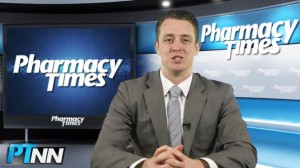
Mike Glaicar, Business Development: Pharmacy Times...(PTNN) This weekly video program provides our readers with an in-depth review of the latest news, product approvals, FDA rulings and more.
- Science Takes a Fresh Swat at Zika (bloomberg.com)

Among the trial methods: genetic engineering, radiation, larvicide...Until there’s a vaccine or treatment for the Zika virus, the quickest way to control its spread is to attack the mosquitoes that carry it. Biotech companies and governments are wielding their best weapons, all of which involve breeding the bloodsuckers in labs and applying treatments that render them unable to reproduce or spread viruses, then releasing them into the wild...In Brazil, Oxitec says it expects approval within weeks to sell the government a bioengineered mosquito incapable of having offspring...The United Nations International Atomic Energy Agency has offered to show Brazilian authorities how to sterilize male mosquitoes with radiation...Australian scientists say they might be able to block transmission of Zika by infecting mosquitoes with a naturally occurring bacterium. And MosquitoMate...is experimenting with a way to dust the bugs with a hormone-based larvicide...These strategies mark a sharp departure from the old pesticide-centric method of "spray-’n’-pray." So far, "we don’t really have any method that’s working,"...
- Those PBM moves pharma loves to hate? They work, CVS says–so get used to them (fiercepharma.com)

CVS Chief Medical Officer Troyen Brennan
Drugmakers may not be too keen on the formulary management techniques and exclusive deals pharmacy benefits managers have been using to combat rising drug prices. But new numbers from a PBM giant suggest they work--and that pharma better get used to them...CVS Health announced that its prescription drug trend--a metric for growth in prescription spending--had dropped to 5% in 2015, down from an all-time high of 11.8% in 2014. And with many of the usual drivers staying consistent over both periods--including brands and price inflation among generic and specialty drugs—the company is chalking up the drop as proof its tactics are doing their job...CVS' "proactive pharmacy management strategies were successful in mitigating the impact of rising drug costs in today's highly volatile prescription drug market,"..."[W]e work to help patients avoid unnecessarily expensive medications as part of our focus on making prescriptions affordable."..CVS and its main rival, Express Scripts, have both been actively pruning their preferred formularies over the past few years…Unsurprisingly, pharma hasn't taken too kindly to the moves, but some companies have been more accepting of the current climate than others...GlaxoSmithKline and Novartis, to name a couple, have been working to avoid payers' wrath...
- Swedish industry wants European medicines agency if UK quits EU (reuters.com)EFPIA Statement on Brexit (efpia.eu)

Sweden should become the new home of the European Medicines Agency if Britons vote to leave the European Union in a June referendum, according to the head of the Swedish pharmaceutical association...The agency, which approves medicines for all EU countries, has been based in London since it started in 1995. However, a so-called Brexit would leave Europe's equivalent of the U.S. Food and Drug Administration outside the bloc and could force a move...Shifting to Sweden would make sense, given the country's scientific strength and the leading role Swedish experts already play in European drug regulation…If the referendum in the UK results in a 'no' to the EU, the government should immediately launch an intensive lobbying campaign to make Sweden the new host country for the EMA...Many pharmaceutical executives also see a move as inevitable and they fear that a British "Out" vote would disrupt healthcare regulation in the world's biggest trading bloc...
- The Power of Attending Pharmacy Association Meetings (pharmacytimes.com)
When it comes to enjoying a life-long career, mentoring, networking, and learning are all critical. Where can you go to power up on this trifecta of career development all at once?...Pharmacy association annual meetings, of course!... There is power in attending and participating in pharmacy professional associations. Learning the trends, getting up-to-date education, and reconnecting with mentors and colleagues can all happen when you take the time to attend professional society or association meetings...Regardless of your area of practice or the passions you have in pharmacy, do yourself a favor and attend a few pharmacy association meetings this year. Although the cost of attending is high in terms of both time and money, the rewards from participating in these conferences can be immense, from meeting up with colleagues and discovering best practices to learning how to get more involved in pharmacy on a larger level.
- How should FDA revamp its off-label marketing rules? An expert panel backs big changes (fiercepharma.com)
After a series of court decisions put its regulatory approach in question, the FDA promised new guidance on off-label drug promotions. That was more than a year ago. Now, a group of health policy wonks and legal experts has come out with some suggestions...The recommendations from the Duke-Margolis Center for Health Policy include one big change that might simplify the free-speech debate over off-label marketing. The agency could revamp its approach to official labeling to include clinical data on off-label uses, graded for evidence quality, and even post-marketing data generated through the agency's own Sentinel surveillance system…Changing official FDA labeling...the Duke-Margolis Center suggests using pilot programs...One might use the Sentinel system. Another might allow provisional off-label use claims based on evidence that's not enough for a new indication, contingent on Sentinel keeping watch on the new use. Overall, the idea would be to develop a tiered labeling system, with the strongest supporting data on the highest tier, and lesser quality evidence farther down...more radical suggestion? Setting up a third-party data-review organization with the FDA's involvement...[That] would assess new off-label promotional material and give it a quality-control score based on the quality of evidence backing it up…The FDA clearly wants to roll out its own guidance, rather than letting the courts decide. In December, the agency settled an off-label marketing dust-up with Pacira over its Exparel marketing, and it's on the verge of a deal in Amarin's off-label lawsuit involving its cardiovascular med Vascepa.