
- 340B Purchases Hit $12 Billion in 2015—and Almost Half of the Hospital Market (drugchannels.net)
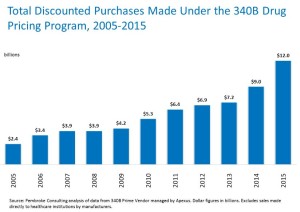
According to new data...discounted purchases made under the 340B Drug Pricing Program hit $12 billion in 2015. That’s a whopping 67% higher than the 2013 figure. I estimate that the undiscounted value of these purchases exceeds $17 billion...Most 340B purchases are made by hospitals. My...number-crunching below reveals that hospitals now receive 340B discounts on more than 44% of their drug purchases...two years ago, the 340B program is taking over the hospital market...How much of this money goes to uninsured and needy patients? No one knows, and the hospitals aren’t saying much...340B purchases have been growing much, much more quickly than have hospitals’ total drug purchases. From 2005 to 2015, total hospital drug purchases grew by 31%, compared with the 400%+ growth in the total 340B purchases...340B has infiltrated almost half of the hospital market...The 340B program is highly controversial, partly because the 340B legislation does not specify or restrict how covered entities should utilize funds generated by the program. Hence, it’s troubling to see that uncompensated care as a percentage of hospitals’ total expenses has remained at about 6% for many years, despite booming 340B purchases...Defenders of the 340B status quo argue that covered entities should be able to use discounts to reduce their cost of operations, without any transparency or accountability...The Office of Inspector General has documented how 340B-eligible hospital outpatient departments earn tremendous profits from the Medicare Part B program. Gross profit margins are about 60% compared with 3% to 4% for a non-340B outpatient program...
- Cleveland Clinic recruits participants for Alzheimer drug trial (reviewjournal.com)221AD302 Phase 3 Study of Aducanumab (BIIB037) in Early Alzheimer's Disease (EMERGE) (clinicaltrials.gov)

The Cleveland Clinic Lou Ruvo Center for Brain Health is seeking participants with mild Alzheimer's disease to test a drug that has been shown to stop the progression of symptoms in some volunteers...about 250 facilities worldwide participating in a clinical trial called Emerge, which will examine the effects of experimental drug B11B037...The drug...has been shown to remove toxic protein buildup in the brain; researchers believe the buildup may be the cause of Alzheimer's...It has also been shown to stop the progression of symptoms...the Ruvo Center will enroll 10 participants, but more than 2,500 patients will be enrolled worldwide...Individuals participate in trial testing for free, but as with every new drug, there are potential health risks...Side affects of the drug have been shown to include headaches, dizziness, nausea, vomiting and constipation...For further information, call the Ruvo Center at 702-483-6000 or study coordinator Monica Guerra at 702-701-7893.
- Should Pharmacists be called Doctors? – PLR 4 (pharmacyliferadio.com)
Today we touch on a TOUCHY subject: should pharmacists call themselves doctors?...Lots of people have opinions on this, and there is a lack of facts to cut thru the fog of confusion...(podcast 20:36) Today we:
- review the major reasons why pharmacists SHOULD call themselves doctors
- review the reasons why pharmacists SHOULDN’T call themselves doctors
- what we think
- and what you should do to figure out for yourself
- Senate confirms Dr. Robert Califf to lead FDA (reuters.com) New FDA head Robert Califf vows to use ‘bully pulpit,’ better explain agency decisions (washingtonpost.com)

The Senate voted overwhelmingly...to confirm Dr. Robert Califf as head of the Food and Drug Administration, an agency that regulates everything from food and drugs to tobacco, cosmetics and dietary supplements...Califf...a well-regarded cardiologist and researcher, takes the helm at the FDA when lawmakers are pressuring it to speed the approval process for drugs and medical devices and to finalize a proposed rule giving it authority to regulate e-cigarettes...He said one of his first priorities is to strengthen the workforce by reaching out to academic and other centers to attract new talent...Another priority...is improving surveillance systems to monitor for safety...We're not proposing to do away with the adverse event reporting system that currently exists...but we are acutely aware that it is not enough...Tools to monitor the safety of medical devices also need to be modernized...and though it will not happen overnight...we have to do the hard work of making it happen...
- Challenges Independent Pharmacists Face with Customer Retention (pharmacytimes.com)
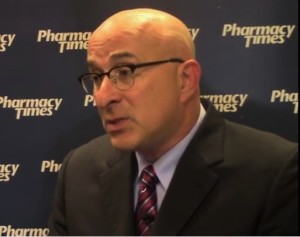
Dan Benamoz, RPh, President and CEO of Pharmacy Development Services, discusses the challenges independent pharmacists face with respect to customer retention efforts
- What Pharmacy Students Need to Know about MTM (pharmacytimes.com)
Medication therapy management has become an important buzzword in the world of pharmacy. Theoretically, MTM serves as a route of communication between pharmacists and patients, allowing patients to gain insight and autonomy over the medications they are prescribed, as well as the opportunity to take an active role in their own health care. Students currently enrolled in colleges of pharmacy across the country are being taught how to conduct an MTM session with a patient and how such a session will contribute to improved health outcomes...but how effective is MTM in a real-life retail setting?...As pharmacy students...we conducted interviews with pharmacists in a variety of community settings to explore just how prevalent the practice is in the average workday...we aimed to address the perceived barriers, successes, goals, and areas for improvement related to MTM. Below are the interview questions along with the most prevalent findings.
- What has been successful in your MTM procedures, outcomes, and process?
- How has MTM led to improved patient compliance, better pharmacist–patient relationships, and improved disease state management?
- What are the biggest barriers to providing MTM services?
- What can be changed to improve MTM to make it more successful?
- How can pharmacy students get involved with MTM?
- What is the goal of MTM?
- Syphilis outbreak strikes Clark County (reviewjournal.com)

Reported syphilis cases in Clark County have skyrocketed 128 percent since 2012, with the number of early syphilis cases reported constituting an outbreak, according to the Southern Nevada Health District...The health district said in a news release Wednesday morning the increase has largely affected men and is asking health care providers who treat early syphilis patients to report cases to the district..."We are considering this an outbreak because disease rates in our community are continuing to climb and we see no plateau at this point," health district Chief Health Officer Dr. Joe Iser said…"Our goal is to make people aware of the problem, encourage health care providers — especially those who treat men — to report cases to us so we can begin notifying partners, get them into treatment, and stop the spread,"...
- Some doctors slow to sign up for electronic death certificate filing (reviewjournal.com)
Nevada's Office of Vital Statistics issued a call this month for relevant physicians to sign up as quickly as possible for a system that allows doctors to fill in required information for death certificates electronically. That system became mandatory statewide Jan. 1...Some doctors did not sign up after the state began notifying them of the change in fall because they have had issues registering or have outright refused to participate, vital records program officer Jason Lewis said...Karen Massey, chief administrative officer at Northern Nevada Emergency Physicians, said physicians have struggled with some requirements of the system, including its incompatibility with Windows 10 and Apple computers. The changeover has been time-consuming...I'm dismayed when it sounds like physicians haven't been responsive about it...Physicians have raised several concerns and have been working with the state to get them resolved...
- Management Tools for Controlling Specialty Drug Costs (specialtypharmacytimes.com)
The increasing utilization and costs of specialty drugs will have a substantial impact on overall health care costs during the next decade...Pharmacy benefit manager tools that have successfully controlled costs in the traditional small-molecule drug categories will be critical to manage the increasing costs and requirements of the specialty drug category…
Financial Impact of Specialty Drugs: Current and Projected...by 2020, 9 of the 10 best-selling drugs (by revenue) will be specialty drugs...spending could reach $400 billion, or 9.1% of national health spending...Specialty benefit design and management tools employed by PBMs will also play a significant role in controlling specialty drug spending, as well as ensuring optimal patient care and support.
Specialty Benefit Design and Management...Specialty drugs frequently have unique shipping and storage needs, as a result specialty pharmacies are better equipped to procure, store, and dispense these treatments than traditional retail pharmacies. Furthermore, pharmacists and personnel at specialty pharmacies provide patient education and clinical support beyond the capabilities of a retail pharmacy...The tools in the PBM arsenal are critical to ensure appropriate care for patients needing specialty drugs while managing the often extraordinary costs.
Comprehensive management approaches that monitor and balance patient care outcomes and costs will help PBMs ensure that new, innovative medications are readily available and affordable to the patients who need them most.
- ASHP Expresses Major Concerns with Proposed Revisions to Chapter <797> Standards, Offers Recommendations (ashp.org)
A number of proposed changes to the U.S. Pharmacopeial Convention General Chapter <797> Pharmaceutical Compounding — Sterile Preparations standards are incompatible with the medication-use process in patient care environments, ASHP stated in comments submitted to a USP expert panel earlier this month...ASHP points out that many of the new requirements are more appropriate for making drugs from bulk chemicals in compounding pharmacies or outsourcing facilities than for preparing medications for administration in patient care settings. The letter urges the expert panel to revise the proposals to better meet the urgent and unpredictable demands of the typical acute patient care setting...ASHP’s letter encourages USP to reorganize the standards into separate sections covering basic and advanced compounding as well as the preparation of special compounded sterile products such as radiopharmaceuticals and allergenic extracts.