
- Report: Device tax cost medtech industry 29k jobs (centerwatch.com)

The U.S. medical technology industry saw its jobs ranks fall by nearly 29,000 while the medical device excise tax was in effect, according to the latest figures from the U.S. Department of Commerce. Specifically, from 2012 to 2015, the number of U.S. medtech jobs declined from 401,472 to 372,638—a loss of 28,834 jobs or a 7.2% decrease for the time period...These numbers reveal just how devastating of an impact the device tax had on our industry and underscore the urgent need for permanent repeal…American device manufacturers are ready to grow and create jobs, the best message this Congress and the Administration can send is through a full and permanent repeal... Bipartisan majorities in both the House and Senate are on record in support of full and permanent repeal...
- The heat on pharmacy benefit managers is building (axios.com)PCMA explains drug price transparency (chaindrugreview.com)

Pharmacy benefit managers — the middlemen in drug price negotiations — have been under siege since Donald Trump was elected last fall and vowed to go after rising drug costs...The pharmacy benefit management industry is prepared to fight back against the criticism and any possible regulations. But here's the political challenge: It's going to have a tough time explaining the value of its companies to the public, especially since their business model relies on secrecy and that consumers have little knowledge of what pharmacy benefit managers are...Most of the furor over drug prices has focused on the manufacturers that create the prices. But the increased scrutiny of the byzantine drug supply chain has landed heavily on pharmacy benefit managers that serve as intermediaries between drug makers and health insurers and employers…
- Pharmacy Week in Review: February 10, 2017 (pharmacytimes.com)
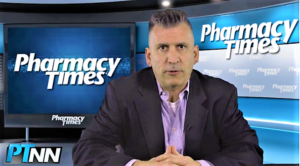
Brian Haug, President of Pharmacy and Managed Markets, Pharmacy Times (PTNN) This weekly video program highlights the latest in pharmacy news, product news, and more.
- 5 Highest Paid Biopharma CEOs of 2016 (biospace.com)
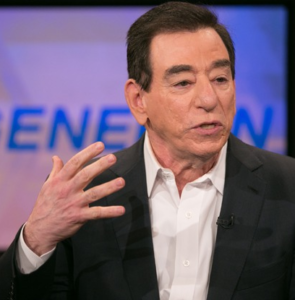
The New York Times recently published the list of the 200 highest paid CEOs in the U.S. as pulled together by Equilar, a leading provider of board intelligence solutions. Let’s take a look at the top five biopharma CEOs on that list.
- Leonard Schleifer, Regeneron Pharmaceuticals. ranked #7, with $47.5 million in total compensation.
- Jeffery Leiden, Vertex Pharmaceuticals, ranked #20 with $28.1 million in total compensation
- Robert Hugin, Celgene , ranked #36 with $22.5 million
- Brent Saunders, Allergan ,ranked #43 with a total compensation of $21.6 million.
- Alex Gorsky, Johnson & Johnson, ranked #46 with $21.1 million in total compensation
- Aurobindo Eyes U.S. Plant in New Jersey As Trump Calls for Local Drug Production (biospace.com)

Indian drugmaker Aurobindo is heeding the call of President Donald Trump and is planning on establishing additional manufacturing in the United States...Aurobindo, which is India’s fourth largest drugmaker by sales, already has a manufacturing site in New Jersey and also has a presence in North Carolina...the company is expecting to expand the New Jersey site to include manufacturing of injectables. Currently the site is used to make tablets...the president’s call has worried drug manufacturers in India. That country provides approximately 30 percent of drugs sold in the United States and relies heavily on U.S. markets for its businesses...India’s pharmaceutical businesses contribute about $15 billion annually to that nation’s economy….it would be prudent for the company to look into opening another manufacturing site in the U.S. Aurobindo generates more than half its revenue in the United States...
- New FDA Database Ensures Timely Access to Drug Safety Labeling Changes (aafp.org)
...a new FDA database that drastically improves timely access to information on drug safety labeling changes...part of the FDA's official website, was launched a few months ago by the FDA's Center for Drug Evaluation and Research...The agency now is leading a push to...get...critical safety data...much more quickly than in the past...The user-friendly and searchable database (www.accessdata.fda.gov) provides updates on labeling information, usually within days of safety labeling changes…Safety labeling changes have been available online...for years, but the information was posted on a monthly basis. That meant when a labeling change was approved early in a month, the information was not made public until the following month -- weeks later...
- Big Pharma’s Offer to Trump: Discounts When Drugs Don’t Work (bloomberg.com)

President Donald Trump says drug prices are astronomical and something needs to be done...Pharmaceutical giants have an answer that doesn’t involve lowering list prices: refunding some of the money to insurers if a drug doesn’t work as expected...The concept of pay-for-performance isn’t new in the industry. But the number of such agreements between drugmakers and insurers has grown in the past year as Big Pharma seeks to defuse criticism over the soaring prices of some brand drugs...In a sign of how central value-based programs have become in the pushback, the lobby group Pharmaceutical Research and Manufacturers of America plans to roll out the concept later this month to the media as part of proposals on addressing drug pricing concerns...While reimbursing part of the cost for a treatment that doesn’t perform well sounds like a sensible solution, the concept is hard to execute. In conditions like diabetes or high cholesterol, results can be tracked with simple numerical measures -- but it may be harder to pull off in areas like depression or cancer. There’s also little evidence that pay-for-performance will significantly lower drug prices overall...
- FTC accuses Shire subsidiary of delaying generic rivals (biopharmadive.com)
The Federal Trade Commission...accused a Shire plc subsidiary of filing dozens of "sham" petitions with the Food and Drug Administration in an effort to delay generic competition to its branded prescription drug Vancocin HCI...the FTC alleged that Shire ViroPharma filed 43 citizen petitions with the FDA (along with 3 lawsuits) over a seven-year period, knowing that the FDA typically waited to approve generic drugs until it had resolved any outstanding citizen petitions...a deliberate attempt to maintain a monopoly...ViroPharma’s efforts led consumers and other purchasers to pay hundreds of millions of dollars more for the drug.
- This Week in Managed Care: February 10, 2017 (ajmc.com)
Laura Joszt, assistant managing editor at The American Journal of Managed Care. Welcome to This Week in Managed Care from the Managed Markets News Network
- U.S. House panel to take up bill to spur generic drug development (reuters.com)

...House of Representatives subcommittee will take up bipartisan legislation next week to foster generic drug development…President (Donald) Trump made it clear...he wants competition to lower drug prices, and that is precisely what this measure will help accomplish...Specifically the bill will require FDA to prioritize, expedite and review generic applications of drug products that are currently in shortage, or where there are few manufacturers on the market...the bill would also increase transparency around the backlog of generic drug applications at the FDA, saying there was an "unacceptably high" number...