
- New precision medicine tool helps optimize cancer treatment (worldpharmanews.com)

Columbia University Medical Center researchers have created a computational tool that can rapidly predict which genes are implicated in an individual's cancer and recommend treatments. It is among the most comprehensive tools of its kind, and the first that incorporates a user-friendly web interface that requires little knowledge of bioinformatics...The researchers found that iCAGES identified personal cancer "drivers" 77 percent of the time when presented with a pair of randomly chosen driver genes and non-driver genes, compared with about 51 percent for other computational tools... Cancer "drivers" can vary from patient to patient, and there are no practical clinical tools for predicting which variants in an individual's genome are driving his or her disease and which are present but not causing disease...Dr. Wang...developed a computational tool called integrated CAncer GEnome Score…(it) analyzes the patient's entire genome, comparing it to the genomic sequence of the patient's tumor to identify possible cancer-causing variants. Next...cross-references these variants to databases of known cancer-causing genes, using statistical analyses and machine learning techniques to prioritize the most likely driver genes. Finally...matches the variants to FDA-approved and experimental drug therapies that specifically address those variants or genes. The entire process takes about 30 minutes...
- Inside the DEA: A chemist’s quest to identify mystery drugs (hosted.ap.org)
New drugs were appearing in the lab every other week, things never before seen in this unmarked gray building in Sterling, Virginia. Increasingly, these new compounds were synthetic opioids designed to mimic fentanyl...The fentanyl-like drugs are pouring in primarily from China...an assertion Beijing maintains has not been substantiated. Laws cannot keep pace with the speed of scientific innovation. As soon as one substance is banned, chemists synthesize slightly different, and technically legal, molecules and sell that substance online…Right now we're seeing the emergence of a new class - that's fentanyl-type opioids...Based on the structure, there can be many, many more substitutions on that molecule that we have not yet seen...Entrepreneurial chemists have been creating designer alternatives to cannabis, amphetamine, cocaine and Ecstasy for years. But this new class of synthetics is far more lethal...Today, it is almost as easy to order synthetic opioids on the open internet as it is to buy a pair of shoes...Payments can be made by Western Union, MoneyGram or Bitcoin, and products are shipped by DHL, UPS or EMS - the express mail service of China's state-run postal service. As the lines between licit and illicit commerce blurred, it became possible for just about anyone with internet access to score an ever-changing array of lethal chemicals...
- New Ebola Vaccine: 100% Effective (pharmacytimes.com)Efficacy and effectiveness of an rVSV-vectored vaccine in preventing Ebola virus disease: final results from the Guinea ring vaccination, open-label, cluster-randomised trial (Ebola Ça Suffit!) (thelancet.com)

An experimental Merck vaccine is showing 100% effectiveness against the Ebola virus, according to results of a trial in Guinea published in The Lancet...The vaccine was tested on people in West Africa from March 23, 2015 through Jan. 20, 2016, and has not been approved by the US Food and Drug Administration or any other agency, but is considered so effective than an emergency stockpile of 300,000 doses has already been created should there be another outbreak…the vaccine, called rVSV-ZEBOV is a recombinant replication competent vesicular stomatitis virus-based vaccine that expresses a surface glycoprotein of the Zaire strain of Ebola virus...
- CME providers use Facebook Live to educate doctors (mmm-online.com)

Physician's Weekly, a point-of-care company that provides continuing medical education services to physicians, launched its first CME course using Facebook Live...the publishing company worked with continuing education provider Advancing Knowledge in Healthcare and Dr. Zubin Damania, also known as ZDoggMD, a physician personality who is known for transforming popular songs with his own music video and lyrics that focus on health, to launch its first accredited CME and continuing education Facebook livecast for physicians and nurses…Damania presented a 39-minute interactive CME course...on how to better understand patients' decisions that include moral choices such as end-of-life care and vaccinations...viewers were able to post comments and receive replies in real time from the physician...Damania's Facebook Live course garnered more than 34,000 views and 600 comments during his live session. Those numbers are expected to grow...The Facebook Live course is the first in a series of CME initiatives Physician's Weekly has planned for social-media platforms. The company will continue working with AKH and ZDoggMD to develop more CME livecasts, including the launch of live tweet chats in the coming months, and is considering using Snapchat in the future...
- Beijing buyers club? China’s cancer patients gamble on gray market (reuters.com)
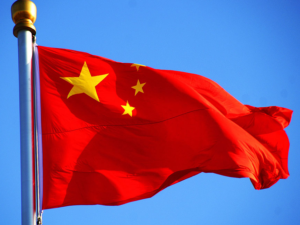
There is no official data on how many cancer patients in China turn to unregulated channels, but research indicates an increase globally in the use of gray and counterfeit markets...Medicines bought through unofficial channels are not necessarily harmful, and some of the Indian generics available online are approved for use in other markets. But they can include drugs that are ineffective or fake...The reason patients in China turn to these unregulated channels are largely financial...Low average salaries, a chasm between urban and rural wealth, and creaking state reimbursement schemes mean serious disease is among the leading causes of poverty, creating a major social burden and rising debt...Turning to unofficial channels can also carry a legal risk...It's because of problems with China's public health insurance system that so many seriously ill patients aren't able to survive…
- Editor’s Corner: Signs point to a surprising pharma new year (fiercepharma.com)

...trends and issues we expect to drive the industry—and related debate—in the coming year. The broad themes aren’t tough to identify. But predicting the specifics, some of them quite important, is, this year, less like reading a crystal ball and more like picking up a Magic 8 Ball...drugmakers will rely on M&A of one sort or another to fuel growth and augment pipelines. As has been pharma’s practice recently, sales and spinoffs will also play a role….just how much cash buyers have to play with depends on an as-yet-unmade decision: Whether U.S. companies can bring home their offshore cash tax-free. Outlook good, which means billions more dollars for U.S. deals and, probably, higher prices as that cash chases a limited number of solid acquisition targets.
- biosimilars, the threat to biologic drug prices and monopolies that’s been on its way for years.
- Manufacturing brought a round of surprises in 2016 as the FDA rejected a series of new drugs because of questions about—or criticisms of—the plants where they’d be produced.
- pharma’s shift to specialty drugs from mass-market blockbusters hasn’t put a dent in DTC budgets, despite the fact that their target populations are far smaller.
- Signs point to definitely when it comes to the drug pricing debate continuing into 2017, but it’s far from definite where that debate will go next.
- This Week in Managed Care: December 23, 2016 (ajmc.com)
Laura Joszt, with The American Journal of Managed Care. Welcome to This Week in Managed Care, from the Managed Markets News Network.
- Cardinal settles with U.S. over painkiller shipments to pharmacies (reuters.com)

A drug distributor owned by Cardinal Health Inc has agreed to pay $10 million to resolve claims it failed to alert the U.S. Drug Enforcement Administration to suspiciously large orders of...painkillers by New York-area pharmacies...The settlement with Kinray LLC, a New York City-based pharmaceutical distributor, disclosed in papers filed...in federal court in Manhattan...Kinray shipped the drugs to more than 20 New York pharmacy locations in amounts that were many times greater than the distributor's average sales of controlled substances to all of its customers...Kinray ignored numerous "red flags" and did not report any suspicious orders to the DEA...latest agreement stemmed from a 2012 settlement with the DEA in which its facility in Lakeland, Florida, was suspended from selling painkillers and other drugs for two years...The 2012 deal only resolved administrative aspects of the case, not potential fines Cardinal Health faced in Florida or elsewhere...(Cardinal Health)...has set aside $44 million to cover those potential liabilities.
- With billions at stake, will biosims finally make a mark in the U.S. in 2017? (fiercepharma.com)

Biosimilars have already taken hold in Europe, with Celltrion's Remicade copy, for one, wreaking havoc on the branded med's sales. Whether they'll finally make their mark in the U.S., though, remains to be seen—and 2017 could be the year we find out...Over the next several years, billions of dollars in legacy drug sales could be ceded to an oncoming and rising wave of biosimilars, with much of the action set to kick off in 2017. All told, 7 of biopharma’s top 10 best-selling drugs next year face a near-term biosim threat, meaning fortunes will be made or lost as the field continues to take shape...Fundamental legal questions also remain surrounding biosims in the U.S...whether the biosimilar pathway will survive...a potential Affordable Care Act repeal...the Supreme Court will likely review the “patent dance clauses which are currently optional.” That could potentially throw a wrench in future launches...
- Pharmacy Week in Review: December 22, 2016 (pharmacytimes.com)
Kelly Walsh, PTNN. This weekly video program provides our readers with an in-depth review of the latest news, product approvals, FDA rulings and more.