
- Pharma-to-physician social media and app marketing will soar by 2018: report (fiercepharma.com)

Pharma companies’ marketing communications to their target audience of healthcare providers are increasingly digital. That's not terribly surprising, considering the uptake in digital channels among physicians for professional use...What is changing…is the way pharma reaches doctors...In 2016 in the U.S., brand promotional emails, healthcare provider portals and key opinion leader webinars are the top three ways pharma companies reach out...by 2018, KOL webinars, social media and mobile apps will top the list, with social media and mobile apps growing the fastest, by 50% and 27%, respectively...Social media is a very powerful channel that can help in understanding the end consumers. It’s easy to make marketing decisions like segmentation, course of patient education, and influence adherence through listening and analysis of the social behavior...
- GAO Releases Compounding Report (iacp.site-ym.com)

The U.S. Government Accountability Office has published a report...on compounding entitled “ Drug Compounding – FDA Has Taken Steps to Implement Compounding Law, but Some States and Stakeholders Reported Challenges.”
- Drug Prices, Senior Programs May Deliver Blow to State Budgets (realclearhealth.com)
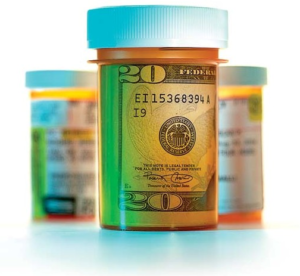
Higher prescription drug prices, combined with changes to Medicare and Social Security, could deal a $1.6 billion blow to state budgets next year by forcing them to ratchet up spending on Medicaid…Without congressional intervention, most state Medicaid agencies will have to come up with tens of millions of dollars to cover the bill...The new costs could prompt states to tighten eligibility requirements or cut benefits...The new costs come at a time when many states already are experiencing budget strains...About $1.2 billion of the $1.6 billion projected Medicaid hike for the states is the result of higher prices for prescription drugs in Medicare, the federal health plan for the elderly and disabled people. Medicaid and therefore the states are affected by a group of “dual eligible beneficiaries,” who receive both Medicare and Medicaid benefits because of their low income...
- Pharmacy Week in Review: November 23, 2016 (pharmacytimes.com)
Kelly Walsh, PTNN. This weekly video program provides our readers with an in-depth review of the latest news, product approvals, FDA rulings and more.
- 21st Century Cures would require pharma to post policies on experimental drugs (statnews.com)21st Century Cures bill would weaken requirements for disclosing industry ties (statnews.com)Bernie Sanders attacks the 21st Century Cures Act and pharmaceutical industry ‘greed’ (statnews.com)
In a nod to patients clamoring for greater access to experimental medicines, the 21st Century Cures legislation would require companies to publicly disclose their policies for making such drugs available...The language in the bill, which is designed to jump start medical innovation, appeared after complaints that many drug makers make it difficult for patients and their physicians to sort out the process for gaining access to medicines that are not yet approved for use by the Food and Drug Administration...only 19 of 100 drug makers publicly post policies about their programs for obtaining experimental medicines...only one of those companies posted information about specific procedures for making requests, and this company did not list any contact information…the findings underscored arguments by patient advocacy groups and lawmakers that the process for gaining access to experimental medicines is unwieldy, which has also generated criticism of the FDA...
- Sandoz to donate up to $10 million in generics to Americares (drugstorenews.com)

Sandoz...announced that it would be donating up to $10 million in generic medicines annually to Americares, an organization that responds to those affected by poverty or disaster with health programs, medicine and medical supplies. The initial donation will include more than 25 Sandoz products for treatment of infections, cardiovascular condition, eyecare, skin conditions and musculoskeletal pain…Limited access to healthcare poses a significant barrier to long-term social and economic development around the world...Sandoz has partnered with Americares since 1989 and Novartis and Sandoz have donated more than $230 million worth of medicine to the organization since then...
- Juno says two more patients die in leukemia drug trial (reuters.com)

Juno Therapeutics Inc said two more patients had died after suffering brain swelling during a trial of its experimental genetically engineered leukemia drug, bringing the total up to five...Juno said...it had voluntarily put the mid-stage study on hold and informed the U.S. Food and Drug Administration earlier this week...The company is still evaluating the cause of the deaths and has not yet decided whether it will continue developing the drug...JCAR015 is an experimental chimeric antigen receptor T-Cell therapy...The FDA, which had imposed a hold on the trial after the first three deaths, lifted it soon after Juno agreed to revert to its original drug regimen that excluded fludarabine...The elimination of fludarabine reduced toxicity but has not proved to be the only contributing factor...
- 8 Things to Know About Biosimilars (medscape.com)

With the recent US Food and Drug Administration approval of a fourth biosimilar medication, these compounds remain a hot topic in many areas of medicine, including nephrology, oncology, endocrinology, gastroenterology, and rheumatology…Despite the growing body of knowledge about biosimilars—and despite their increasing coverage in peer-reviewed journals and presentations—a recent Biosimilars Forum press release reveals that more physician education is needed about these medications...
- What Are Biosimilar Medications?
- What Is the Approval Process of Biosimilars?
- How Many Are Approved, and for What Conditions?
- What Does 'Interchangeable' Mean?
- What Is Extrapolation?
- Are Biosimilars Safe, and Can They Be Trusted?
- Do Patients Know and Trust Biosimilars?
- How Do the Costs of Biosimilars Compare to Biologics?
- Drug errors ‘common in nursing homes but rarely serious’ (nursingtimes.net)
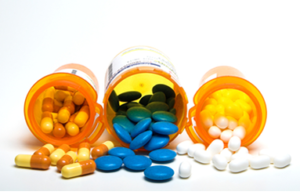
Medication errors remain fairly common in nursing homes but they appear to result in “surprisingly” low rates of serious impacts affecting residents, according to Australian researchers...researchers set out to assess the prevalence of medication errors leading to hospital admission and deaths in nursing home residents, and to determine the factors associated with these errors...They examined three types of errors – all medication errors, transfer-related medication errors, and potentially inappropriate medications...researchers found that medication errors were common, involving 16% to 27% of residents in studies examining all types of medication errors...Transfer-related medication errors occurred in 13% to 31% of residents, while 75% of residents were prescribed at least one potentially inappropriate medication...investigators noted that it was unclear whether medication errors resulting in serious outcomes were truly infrequent or are under-reported due to the difficulty in ascertaining them.
- This Week in Managed Care: November 23, 2016 (ajmc.com)
Sara Belanger with The American Journal of Managed Care. Welcome to This Week in Managed Care from the Managed Markets News Network