
- This Week in Managed Care: September 3, 2016 (ajmc.com)
Justin Gallagher, associate publisher of The American Journal of Managed Care. Welcome to This Week in Managed Care, From the Managed Markets News Network.
- China Drug Sales to the U.S. Grow Despite Safety Concerns at Home (bloomberg.com)

Chinese drugs and pharmaceutical ingredients are found in medicine cabinets as far away as New York and Chicago, and the country’s exports of pharmaceutical products and health supplements worldwide jumped 3 percent to $56 billion last year...Yet even as China’s drug industry has grown in global stature, so have questions about the safety of its products...about 700 Chinese firms were told by regulators in China to review their pending applications to sell new drugs and voluntarily withdraw any that were false or incomplete. Within months, about 75 percent had been retracted by the manufacturers or rejected by Chinese officials...Among those were some medicines that were separately approved for sale in the U.S. by the Food and Drug Administration. Some of the companies say their data in China were flawed because of faulty information by local research firms...
- Forget Apple. It’s time to collect from tax-dodging Gilead, tax group urges U.S. Treasury (fiercepharma.com)

EU antitrust regulators this week cracked down on Apple, ordering the American tech giant to fork over about $14.5 billion in taxes--plus interest--to the Irish government. The watchdogs had decided that Apple's profit-routing scheme through tax-advantaged Ireland was illegal...Gilead Sciences might be in line for a similar European crackdown. But one U.S. advocacy group--which wants similar justice for Gilead--marks one crucial difference: It wants the California-based biotech to pay the tax bill at home...Americans for Tax Fairness penned a letter to U.S. Treasury Secretary Jacob Lew and Commissioner John Koskinen, drawing attention to alleged tax-avoidance moves by the drugmaker. The group says moving sales through Ireland increased Gilead's pre-tax profits fivefold between 2013 and 2015--from $4.2 billion to $21.7 billion. The moves also triggered a threefold jump in untaxed offshore profits, from $8.6 billion to $28.5 billion...
- FDA to hold long-awaited meeting to review off-label marketing (statnews.com)
After years of anticipation, the Food and Drug Administration will hold a public, two-day meeting in November to review the extent to which so-called off-label information about medicines may be disseminated to physicians...the FDA has taken a firm stance toward the issue. A key concern is that public health could be jeopardized if a company were to distribute information about an unapproved use that had not been proven to be safe and effective, a standard for regulatory approval...drug makers have argued that conveying certain types of information is protected by the First Amendment...drug makers and their supporters have grown impatient and fear that various court rulings might become a de facto standard. Last winter, an independent review panel was floated as a way to address the issue. Last May, two lawmakers accused the Department of Health and Human Services of delaying new rules and issued a draft bill that would allow companies to market products for unapproved uses...
- What do patients know about generic biotech drugs? (reuters.com)
Many patients haven’t heard of "biosimilars," generic versions of complex biotech drugs, and even some who say they’re familiar with these medicines may still be confused about them, a small European survey suggests...To see what patients know about biosimilars, researchers analyzed data from online surveys completed by 1,181 patients with irritable bowel disease or Crohn’s disease, chronic intestinal problems that are increasingly treated with biosimilars...just 38 percent (383) of the survey respondents had heard of biosimilars...researchers asked...more questions to see what they knew about these medicines, 47 percent said they worried about whether the copies were safe and 40 percent said they had concerns about whether the generics were effective…The study by Dr. Laurent Peyrin-Biroulet...found most patients were more concerned about the safety and effectiveness of biosimilars than whether they were a lower-priced alternative to brand name biotech drugs...the findings highlight the need for more patient education about biosimilars...
- 5 Questions to Ask About Sales Reps in Your Hospital (hhnmag.com)

In every loaf of bread we buy, the total cost of direct selling is buried in its price tag...We accept this because we know that organization within these markets utilize coordinated public relations, marketing and direct sales efforts to grow their revenues...In health care, we tend to see things differently...But somehow, we’re prone to think those involved in the delivery of care are immune to such promotional tactics. We like to think that we’re giving our patients what’s needed based on therapeutic value and hope our decisions aren’t influenced by factors other than safety and efficacy concerns...Today, the role of direct selling in health care is experiencing unwelcome attention and unprecedented pressure. The pharmaceutical industry is a case in point, but lessons are clear across the entire health system...The health care industry needs to adopt stricter codes of ethics and business practices upon which relationships with sales representatives engage in our organizations...management...must take fresh looks at how selling in our organizations is conducted, and how the companies with whom we do business manage their sales processes and personnel...
- Are confidentiality agreements kept?
- How are confidentiality agreements monitored?
- Are consultant, lawyer and accountant credentials verified?
- Are affirmations in proposals about client satisfaction and relevant engagements independently validated or taken at face value?
- And is the organization’s posture toward its selling—its culture, compensation and performance evaluation procedures — conducive to principled growth or is selling anything at any cost the unwritten policy that rules the realm?
The selling game in health care is out of the closet.
- Cardinal Health Foundation addresses Rx misuse through latest series of Generation Rx grants (drugstorenews.com)

Non-profit organizations across the country were awarded grants Wednesday from the Cardinal Health Foundation to help fight prescription drug misuse by improving their communities' medication disposal programs..."One of the simplest and most effective ways to fight prescription drug misuse is to encourage the proper disposal of unused or expired medication," stated Betsy Walker, community relations director and Generation Rx program manager at Cardinal Health. "Cardinal Health Foundation is investing $360,000 to support these programs and help educate on proper disposal."…All grant projects are required to measure impact and outcomes of the disposal program's promotion efforts and education efforts (comparing community participation in drug disposal before and after program implementation, for example). In addition, each grantee is charged with seeking opportunities, if available, for scaling up and spreading successful programs to other communities...
- Pharmacy Week in Review: September 2, 2016 (pharmacytimes.com)

Kelly Walsh, PTNN. This weekly video program provides our readers with an in-depth review of the latest news, product approvals, FDA rulings and more.
- Long Island county sues opioid drug makers for misleading marketing (statnews.com)

You can add Suffolk County, N.Y., to the list of local and state governments that are filing lawsuits against the drug makers that market opioid painkillers...The Long Island county...accused several companies — Purdue Pharma, Johnson & Johnson, and Endo International, among others — of using deceptive marketing to downplay the risks of their painkillers, and of improperly encouraging physicians to prescribe the medicines in a way that caused some patients to become addicts…The allegations are...identical to lawsuits filed by the city of Chicago; Orange and Santa Clara counties in California; and the state of Mississippi. In each case, the governments have charged the drug makers with illegally widening markets for their opioid painkillers and, as a result, forcing taxpayers to pay for medicines that were often prescribed unnecessarily...The companies "sought to create a false perception of the safety and efficacy of opioids in the minds of medical professionals and members of the public that would encourage the use of opioids for longer periods of time and to treat a wider range of problems, including such common aches and pains as lower back pain, arthritis, and headaches…
- The dark side of ‘compassionate use’ of experimental drugs (washingtonpost.com)To help cancer patients, lawmakers pushed access to a controversial doctor (statnews.com)
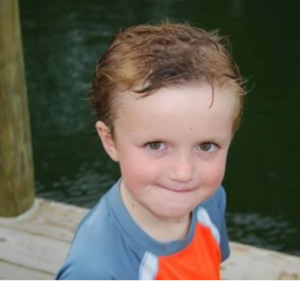
This is a picture of Josh Hardy...Josh...had undergone a bone-marrow transplant for kidney cancer...He was dying...There was an experimental drug called brincidofovir...his doctors thought might work. But the company declined their repeated requests to provide it. His parents...rallied friends, who rallied their friends and their friends...until it seemed as though the entire Internet were behind them...The ending was a good one: The company gave Josh the drug, and it worked and he got to go home...But not all cases like this go so well. A powerful report from STAT this week provides a heartbreaking reminder that the reason experimental drugs are not available for anyone to use is because they are just that — experimental. And the chances that things will go wrong are as strong as that they will go right...