
- Synthetic drugs pose alarming U.S. overdose risk: DEA chief (reuters.com)

Synthetic designer drugs, especially synthetic opioids like fentanyl implicated in the death of pop star Prince, pose an "unprecedented" threat for U.S. overdoses and deaths, especially among youth...Drug Enforcement Administration has been cracking down on synthetic drugs since they began gaining popularity in 2010. But because each newly designed drug needs to be separately banned through a "clunky and cumbersome" process, the problem continues to spiral, DEA head Chuck Rosenberg told a U.S. Senate committee...For every one substance we’ve controlled, legislatively or administratively, there are 11 more out there that are uncontrolled...Rosenberg testified that the DEA has seen a particularly alarming rise in illicit use of the fentanyl...More than 11 million people illegally consume prescription painkillers for non-medical purposes each year, and overdoses are likely to increase as fentanyl is introduced to that market...
- Pharmacy Week in Review: June 3, 2016 (pharmacytimes.com)
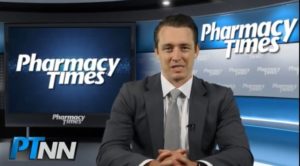
Mike Glaicar, Business Development: Pharmacy Times...(PTNN) This weekly video program provides our readers with an in-depth review of the latest news, product approvals, FDA rulings and more.
- Money-back guarantee: the new trend in drug and device marketing (statnews.com)

Imagine buying a new car only to learn that it doesn’t work as advertised and there’s nothing you can do about it. That’s essentially what happens when you take a pricey medication...there’s no guarantee it will work and you won’t get your money back if it doesn’t...In most realms of commerce, if a product fails to deliver what’s been promised, consumers are financially covered through refunds and warranties. This has never been the case with pharmaceuticals...to stem the growth of health care costs, hospitals, private insurers, governments, and other purchasers of these products are resisting price increases and the introduction of expensive new products. They are also looking for more evidence of effectiveness. At the same time, drug and device makers need new ways to convince skeptical payers that their products are worth the price….If the product doesn’t work as intended, you don’t pay...Cigna has announced signing contracts for two new cholesterol-lowering drugs that would reduce the price paid if real-world outcomes don’t match the results of clinical trials. Cigna will be given access to patients’ cholesterol levels and be able to tell how well the new drugs are working.
- NGO questions drug industry backing of G7 antibiotic preservation pledge (in-pharmatechnologist.com)

Industry backing for a G7 plan to preserve antibiotics is at odds with current marketing practices says an NGO calling for a clamp down on campaigns that promote overuse...This week a pledge by G7 leaders to address 'market failures' that discourage antibiotic R&D and encourage over promotion won the support of the Association of the British Pharmaceutical Industry...The ABPI welcomed the ・commitment for collaborative global action by the G7 on tackling the unique medical, scientific and economic challenges presented by antimicrobial resistance・ telling us antibiotic stewardship was a core focus of the industry declaration launched at World Economic Forum meeting in Davos...industry support for efforts to preserve antibiotics is disingenuous according to Gemma Buckland Merrett, senior research Manager at NGO Health Action International, who suggested current marketing practices are part of the problem..."Evidence is starting to show that increased marketing of antibiotics by the pharmaceutical industry may be exacerbating inappropriate antibiotic use" Merrett told us...Despite the risks of resistance, pharmaceutical companies have continued to market antibiotics, often incentivising medical and veterinary personnel to overuse or inappropriately prescribe antibiotics.
- More Charges Against Ex-Pharmaceutical Executive Martin Shkreli (dddmag.com)

Federal prosecutors in New York have filed additional criminal charges against a pharmaceutical executive who separately was heavily criticized for raising the price of a lifesaving malaria medication...A new indictment filed Friday in Brooklyn says Martin Shkreli and his former attorney Evan Greebel schemed to defraud potential investors of his former drug company Retrophin Inc...They say the two allocated company stock to seven employees to conceal Shkreli's ownership of it...Shkreli previously pleaded not guilty to charges he lost investors' money through bad trades and looted the pharmaceutical company to pay them back.
- Independence of compliance reviews is questioned in drug firm settlements (reuters.com)
Some major U.S. drug companies have hired their own auditors to perform compliance reviews mandated in government settlements over alleged civil violations, such as paying kickbacks or off-label drug promotion, according to federal records...Third-party compliance reviews are playing an increasingly large role in helping the government ensure companies fulfill their obligations in federal settlements...Some lawmakers and legal experts say that practice creates conflicts of interest and could impair outside reviewers' independence...Susan Gillin, an attorney in the inspector general's office, said she agreed that "theoretically, a potential conflict of interest exists."...But she said her agency has not observed any problems with weak oversight by auditors serving in dual roles. Such arrangements are allowed, she said, as long as the firm is not involved in corporate management or advising on policies it will also review...Senate Judiciary Chairman Charles Grassley...said such arrangements could weaken enforcement..."If the firms enforcing the agreements aren't independent,"...that "defeats the purpose of the agreements."
- Resistance is Futile (pharmatimes.com)

This month, the UK government's review of antimicrobial resistance sent alarm bells ringing in Whitehall and issued a call for new medicines to kill antibiotic-resistant superbugs...When economist and government minister Jim O'Neill published the final version of his long-awaited report...its message was clear – antimicrobial resistance is perhaps the single biggest threat in modern medicine...O'Neill stresses the need for new antibiotics...A truly new class of antibiotic has not been seen for decades because the lack of incentives for investment has led to reduced R&D...Many of the 'low hanging fruit' in terms of development have already been picked... Antibiotics are given for just a short course of treatment and so sales are very limited. If a new antibiotic is reserved only for use in treating resistant infections, then most of the time it will sit on the pharmacy shelf not being used. Again this disincentivises any commercial company to develop new antibiotics...With a renewed focus on AMR, big pharma has started to take interest...
- Website Domains of Fake Online Drug Outlets Seized by Federal Authorities (nabp.net)Federal Court Orders Seizure of 67 Website Domains Involved in Smuggling and Selling Misbranded and Counterfeit Prescription Drugs (justice.gov)

Sixty-seven domain names of commercial websites involved in the illegal sale and distribution of counterfeit and prescription drugs had seizure orders executed against them, according to an announcement by the US Department of Justice. The federal government now has custody of the seized domains. When visiting the sites, users will see a seizure banner indicating that the domain name has been seized for violation of federal laws against smuggling and trademark misuse...Individuals who have an interest in the seized domain names have a period of time after the Notice of Seizure to file a petition with a federal court and additional time after the notice to contest the forfeiture.
- Drugmakers can’t charge beyond making costs for compassionate use: FDA (reuters.com)
Food and Drug Administration said companies could only charge patients for the cost of manufacturing experimental treatments used under compassionate grounds, and it cannot force government or private health insurers to pay for these drugs..."Compassionate use" of experimental drugs allows physicians to prescribe unapproved treatments for patients who have no other satisfactory alternatives in the market...The FDA's move seems to be intended to soften the repercussions of its possible rejection of Sarepta Therapeutics Inc's muscle-wasting drug (Duchenne muscular dystrophy)...FDA last week deferred its decision on whether to approve Sarepta's drug, eteplirsen, after an advisory panel determined that the treatment was not effective...The FDA is trying to create a compromise, saying drug companies can charge for a drug even if its not approved...Sarepta's drug has been in the spotlight over the past few months with patient groups and parents arguing passionately in favor of the treatment to pressure the regulator to approve the drug.
- Want to win $2 billion? Create the next antibiotic. (washingtonpost.com)

The prices of antibiotics are too low. Low prices reduce the barrier to prescribing antibiotics, while high patient demand fosters overprescribing. Consequently, an estimated 20 to 50 percent of antibiotics dispensed in hospitals and about a third of those prescribed in physicians’ offices are inappropriate or unnecessary. Overuse breeds resistance...low prices discourage the development of new antibiotics…Even without a superbug, the CDC estimates that more than 2 million people annually are infected with antibiotic-resistant bacteria and more than 23,000 people die as a result...Unless we shift course, superbugs will become a fact of life. Here is a four-pronged approach that might work:
- every hospital must implement a drug stewardship program to reduce inappropriate antibiotic use.
- reduce inappropriate prescribing for colds, sore throats and other, mostly viral or self-limiting minor ailments, every antibiotic prescription should be electronically reviewed to be certain it meets national guidelines.
- the government and industry should collaborate to fund pre-clinical research on antibiotics — in other words, studies of how drugs get into and fight infections.
- we need financial prizes for researchers and companies who develop new antibiotics.