
- FTC Sues Endo, Alleges Company Paid Off Generic Drugmakers (wsj.com)
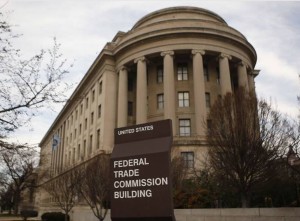
The Federal Trade Commission said...it sued drugmaker Endo International PLC, alleging the company violated federal antitrust laws by paying hundreds of millions of dollars to delay generic competition against two of its biggest drugs...The suit...is the latest by the FTC to target alleged "pay-for-delay" agreements. In these deals, generic-drug companies typically agree to drop patent challenges against brand-name drugs and to refrain from launching cheaper knockoffs before a certain date in exchange for payments from the manufacturer of the brand-name drugs...The FTC contends such agreements cost consumers and taxpayers $3.5 billion annually by keeping drug prices higher than they would be otherwise...Suits like the one filed against Endo are relatively rare...These are very resource-intensive cases, and we don’t have the resources to bring that many cases," Markus Meier, FTC acting director for the bureau of competition...
- How Technology Is Changing the Inhaler Industry (pharmacytimes.com)
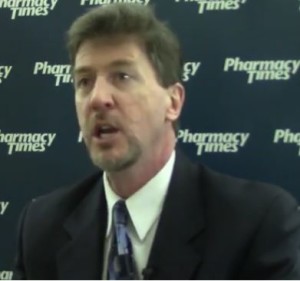
Michael Cawley, BS, PharmD, RRT, CPFT, FCCM, professor of clinical pharmacy at the University of the Sciences, discusses how new technology is changing the inhaler manufacturing industry.
- Regulator orders drugmaker Valeant management to cease trading (reuters.com)
Valeant Pharmaceuticals International Inc's directors and key officers have received a cease-trade order by the securities regulator in the Canadian province of Quebec, on the company's request, Valeant said...In a separate statement, the Autorité Des Marches Financiers said the order against trading shares takes effect Thursday and is in place for 15 days...The delay in Valeant filing its annual report poses a risk of debt default, Valeant said March 15, generating new scrutiny of the much-criticized company. Defaulting on debt could prompt lenders to demand faster repayment and place restrictions on Valeant's ability to borrow...The cease-trade order technically applies only to Quebec, but the practical effect of such orders in Canada, which does not have a national securities regulator, is to stop trading across the country...Valeant is not under active investigation by AMF, but has been under "verification"...
- With the Threat of an Ad Ban Looming, Pharma Is Fighting to Repair Its Reputation (adweek.com)
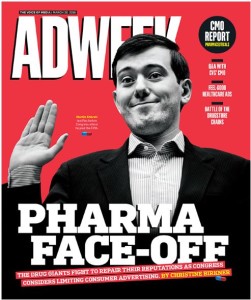
When ex-Turing Pharmaceuticals CEO Martin Shkreli smirked his way through congressional testimony...it stoked Washington's and the general public's ire against the pharmaceutical industry. That same month, Congress introduced legislation to ban direct-to-consumer drug ads...the pharmaceutical industry finds itself in deep damage control mode. Pharma's fight with Washington isn't new...the industry's efforts to restore its reputation have so far been lacking...Pharmaceutical executives...argue that DTC advertising is necessary because it educates patients about new treatment options...The way to bring costs down is to have educated, empowered consumers, and they need information to be so...DTC ads in the form of paid media could soon fade organically as social media becomes a more widely used source for patient information...the pharma industry still has a lot of work to do in restoring its reputation...The industry has done a horrible job of highlighting the benefits of pharmaceutical products, or explaining why pharmaceutical products cost what they do, so they've allowed themselves to get painted as big bad guys...pharmaceutical companies should highlight their patient assistant programs to bolster their reputations...Pharma companies have done a lot of work to build patient assistance programs to get people who couldn't otherwise afford medication on therapy. That's a huge deal...pharmaceutical companies need to play up their altruistic sides, which automatically puts distance between them and characters like Shkreli...the real opportunity is the relationship that you build so you become the go-to place...Pharmaceutical companies have a unique opportunity to stand for very meaningful things, and I don't think they're there yet. They haven't established strong, values-based corporate brands that would withstand the occasional pot shot...
- Drug makers paid fewer fines for bad behavior in recent years (statnews.com)

After a decade in which drug makers regularly paid huge fines for various fraudulent practices, there was a noticeable drop over the past two years, according to a new analysis by Public Citizen...Pharmaceutical companies paid approximately $2.8 billion to settle federal and state civil and criminal charges in 2014 and 2015, compared with $9.9 billion during 2012 and 2013. The most recent payments also amounted to the lowest two-year total since 2004 and 2005...Among the worst offenders in recent years were Johnson & Johnson, Pfizer, Novartis, and GlaxoSmithKline, although the report noted that nearly every large drug maker has paid fines to resolve some kind of infraction over the past two decades...A spokesman for the Pharmaceutical Research and Manufacturers of America...We are disappointed at the report’s misleading conclusions...Among its many methodological flaws, the report aggregates all settlements involving the pharmaceutical industry, with little regard as to whether the companies actually broke the law. Civil settlements rarely resolve the question of guilt. Yet the report glosses over its own finding that 88 percent of the settlements reported were civil, not criminal...
- GlaxoSmithKline promises reduced drug patents to help world’s poor (reuters.com)
GlaxoSmithKline is to adopt a graduated approach to patenting its medicines, depending on the wealth of different countries, in order to make drugs more affordable in the developing world...Britain's biggest drugmaker said...it would not file patents in low-income states, leaving the way clear for generic companies to make cheap copies of its drugs without fear of being sued...For lower middle-income countries, GSK will seek patents but it aims to strike license deals that allow supplies of generic versions of its medicines for 10 years. These licenses are expected to earn GSK a "small" sales royalty...The company will continue to seek full patent protection in high- and upper middle-income countries, as well as members of the Group of 20 major economies...It is the latest move by the pharmaceuticals industry to address criticism that many new drugs are simply too expensive for....people in Africa, Asia and Latin America...
- Drug makers inconsistently report side effects in the US and Europe (statnews.com)Variation in adverse drug reactions listed in product information for antidepressants and anticonvulsants, between the USA and Europe: a comparison review of paired regulatory documents (bmjopen.bmj.com)
Drug makers must report side effects to regulators, but the amount of useful information can vary depending upon which regulator gets the data, according to a new analysis...A team of researchers examined a dozen brand-name drugs used to treat depression and seizures and found that, on average, the manufacturers filed 77 more side effects reports with the US Food and Drug Administration than with the European Medicines Agency...On average, 71 percent of the side-effect terms listed in the reports submitted to the FDA were not filed with the EMA...86 percent of reports submitted to the FDA, there was more information on the source of the report — such as a spontaneous patient report during treatment or if it occurred during a trial — than what was provided to the EMA...On average, only 29 percent of the side effects were reported to both agencies. Moreover, most of the reports lacked information on duration and seriousness of the side effects, as well as the extent to which the reactions were reversible...that reporting needs to be improved...This study shows that the reporting of drug adverse effects on product information is fragmentary and inconsistent...neither the FDA nor the EMA versions provided much information about the onset, duration, and severity of drug side effects. Instead they provided just lists that were not necessarily in agreement...
- New App Helps Travelers Find Appropriate Medications Abroad (pharmacytimes.com)

A new app may help streamline medication needs for travelers...International travel is increasingly more common, but many travelers are often ill prepared for dealing with health issues while abroad...French pharmacist...developed a new app to help...travelers with essential medication information...The "Convert Drugs Premium" app allows users to find information in 11 different languages for therapeutically equivalent medications in 220 countries...Convert Drugs Premium promises that health care professionals who use it will "be able to quickly help visitors from other countries find the medications they need, or help advise domestic patients about the products they will and will not be able to find in the country they plan to travel in."
- Drug firm to pay $4m to settle investor fraud charges (statnews.com)

Aveo Pharmaceuticals agreed to pay $4 million to settle charges that it misled investors about efforts to obtain regulatory approval for its flagship drug, a kidney cancer treatment called Tivozanib, the US Securities and Exchange Commission said today...the agency is still pursuing a case against three former executives...The biotech allegedly concealed concerns that the Food and Drug Administration had about the medicine in public statements to investors. In particular...failed to disclose that FDA staff had recommended...that the company should run a second clinical trial to address issues concerning patient death rates that were seen during an earlier clinical trial...A spokesman for Aveo..."we hope to have this matter behind us and to be able to pursue our new strategy without being distracted by these claims" The new strategy...includes running a second Phase III study for the...drug...
- Why hackers are going after health-care providers (washingtonpost.com)

Washington is reeling from the news of a hack at MedStar, one of the largest medical providers in the area. A computer virus infecting the organization's computer systems forced MedStar to shut down much of its online operations...The exact nature of the attack is not yet known, but MedStar is just the latest victim in a string of cyberattacks that have hit the health-care industry hard. Here's what you need to know about how health-care providers became the latest digital battleground.
- Why would cybercriminals go after the health-care industry?
- Just how vulnerable is the health-care sector to cyberattacks?
- What is the health-care sector doing to fix all this?