
- Shoppers Drug Mart posts 4Q same-store sales lift of 5% (drugstorenews.com)
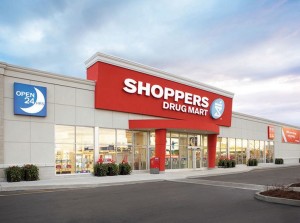
Loblaw...posted $33.6 billion in revenue for its year ended Jan. 2, a 6.5% lift with one week less of sales - Loblaw's fiscal 2015 represents 52 weeks while fiscal 2014 represents 53 weeks...I am pleased to report that we continued to deliver against our financial plan in the fourth quarter...The company continues to execute on its strategic framework and purpose...delivering the best in food, best in health and beauty, operational excellence and growth...this framework has positioned us to achieve our financial plan amidst a competitive environment and continued pressures from healthcare reform...For the fourth quarter, Loblaw's retail pharmacy arm Shoppers Drug Mart realized same-store sales growth of 5%, with same-store pharmacy sales increasing by 4.2% and same-store front-store sales increasing by 5.7%.
- McKesson extends reach into oncology space with two acquisitions (drugstorenews.com)

McKesson announced...that it has signed definitive agreements to purchase Vantage Oncology, a leading national provider of radiation oncology, medical oncology and integrated cancer care, and Biologics, an oncology pharmacy services company, in a pair of transactions valued at $1.2 billion...Collectively, these acquisitions will increase McKesson’s specialty pharmaceutical distribution scale, oncology-focused pharmacy offerings, solutions for manufacturers and payers and scope of community-based oncology and practice management services available to providers and patients...Vantage will broaden the company’s scale in radiation oncology management services, adding more than 50 cancer centers across 13 states. Vantage operates a practice management model through joint ventures and shares profits with their partner physicians and hospitals...Biologics...specialty pharmacy model provides controlled dispensing channels, including rapid and traceable pharmaceutical delivery solutions, increased analytics, and services for oncology patients...
- CMS Seeks to Improve Access to Preferred Cost Sharing Pharmacies (specialtypharmacytimes.com)
Centers for Medicare Medicare & Medicaid Services is prioritizing an effort to make preferred cost sharing pharmacies available in geographical areas that have little access...we heard concerns that some beneficiaries did not have ready geographic access to preferred cost-sharing pharmacies...Increasingly, Part D plans are creating smaller networks of pharmacies within their larger networks and offering lower cost-sharing arrangements to beneficiaries who use these preferred cost-sharing pharmacies...Although plans are marketed with lower cost-sharing arrangements, there are some areas that do not have pharmacies accessible to beneficiaries...In order to address this issue, CMS laid out a plan to help in these areas...The plan includes measures such as:
- Working with outlier plans that addressed concerns regarding marketing and access
- Require the discloser in marketing material of plans offering less access to preferred cost-sharing pharmacies
- Publish access levels that offer a benefit structure for each plan.
- Bayer’s Aleve and GSK’s Flonase top list of OTC TV ad spenders for 2015 (fiercepharmamarketing.com)
In a head-to-head prescription versus over-the-counter drug battle, prescription wins. At least when it comes to advertising...TV ad spending for the top 10 prescription drugs tallied $876.3 million, while over-the-counter spending among the top 10 brands totaled just $514 million for TV ads in 2015…Bayer's pain reliever Aleve topped the OTC list with almost $75 million in TV spending. Aleve also had the highest number of different TV spots as well with 23 creative executions running in 2015. GlaxoSmithKline's Flonase at No. 2 was no surprise after the drug went off patent and GSK went on an aggressive push to keep the brand thriving through the spring allergy season...The top 10 OTC list by estimated TV media spending by iSpot.tv for 2015 follows:
- Aleve (Bayer): $74.5 million
- Flonase (GlaxoSmithKline): $73.1 million
- Claritin (Merck): $58.4 million
- Advil (Pfizer): $58.3 million
- Nasacort (Sanofi): $50.3 million
- Alka-Seltzer (Bayer): $49 million
- Allegra (Sanofi): $43.8 million
- Tylenol (J&J): $37 million
- Nexium (Pfizer): $36.3 million
- Zyrtec (J&J): $33.1 million
- 3 compliance rules pharmacies must know (drugtopics.modernmedicine.com)
With 2016 well underway, pharmacies of all sizes should review recent regulatory updates to ensure compliance with rules already in effect, and preparation for those to be implemented soon. Three, in particular, warrant a close look.
USP 797 Pharmaceutical Compounding – Sterile Preparations. The comment period for USP’s proposed revisions for compounding sterile preparations closed January 2016, and comments are now under review. If finalized as-is, USP 797 may publish by November 2016, at which time pharmacies will face significant changes...
USP 800 Hazardous Drugs – Handling in Healthcare. This was approved and published in February 2016. It defines hazardous drug containment processes to promote patient safety, worker safety, and environmental protection...
Drug Supply Chain Security Act. Enacted in November 2013, this sets forth requirements to build electronic systems to identify and trace certain prescription drugs in the United States. Pharmacies should consider which aspects of the law they’re held accountable for now, and which aspects they will be held accountable for in the future...
- Pharmacy Week in Review: February 26, 2016 (pharmacytimes.com)
Mike Glaicar, Business Development: Pharmacy Times...(PTNN) This weekly video program provides our readers with an in-depth review of the latest news, product approvals, FDA rulings and more.
- Science Takes a Fresh Swat at Zika (bloomberg.com)

Among the trial methods: genetic engineering, radiation, larvicide...Until there’s a vaccine or treatment for the Zika virus, the quickest way to control its spread is to attack the mosquitoes that carry it. Biotech companies and governments are wielding their best weapons, all of which involve breeding the bloodsuckers in labs and applying treatments that render them unable to reproduce or spread viruses, then releasing them into the wild...In Brazil, Oxitec says it expects approval within weeks to sell the government a bioengineered mosquito incapable of having offspring...The United Nations International Atomic Energy Agency has offered to show Brazilian authorities how to sterilize male mosquitoes with radiation...Australian scientists say they might be able to block transmission of Zika by infecting mosquitoes with a naturally occurring bacterium. And MosquitoMate...is experimenting with a way to dust the bugs with a hormone-based larvicide...These strategies mark a sharp departure from the old pesticide-centric method of "spray-’n’-pray." So far, "we don’t really have any method that’s working,"...
- NHS England approves Cancer Drugs Fund plans (pharmatimes.com)NHS plan to reassess value of cancer drugs alarms patient groups (theguardian.com)
The...controversial Cancer Drugs Fund will be replaced by a new fund controlled by the National Institute of Clinical Excellence from July this year... officials have now waved through proposals that will see the CDF switch to a ‘managed access’ fund...the current CDF list will be rolled over but will remain closed to new drugs pending the start of the new scheme in July...The operational detail of the new scheme will be developed over the coming months, but NHS England insists that it will help provide faster access to the most promising new cancer treatments for patients, drive stronger value for money for the taxpayer, and for drug companies willing to price their products "responsibly," offer a new fast-track route to NHS funding...Industry reaction... largely unchanged proposals that carry a very real risk of significantly setting back patient access to cancer medicines, now and for the foreseeable future...if cancer medicines go through more or less exactly the same NICE appraisal process that was in place five years ago - which necessitated the setting up of the CDF in the first place - we will largely get the same answers as before - the majority of medicines will be turned down...The Government needs to come clean about the impact of these proposals on cancer patients by publishing an assessment of their impact...
- Swedish industry wants European medicines agency if UK quits EU (reuters.com)EFPIA Statement on Brexit (efpia.eu)

Sweden should become the new home of the European Medicines Agency if Britons vote to leave the European Union in a June referendum, according to the head of the Swedish pharmaceutical association...The agency, which approves medicines for all EU countries, has been based in London since it started in 1995. However, a so-called Brexit would leave Europe's equivalent of the U.S. Food and Drug Administration outside the bloc and could force a move...Shifting to Sweden would make sense, given the country's scientific strength and the leading role Swedish experts already play in European drug regulation…If the referendum in the UK results in a 'no' to the EU, the government should immediately launch an intensive lobbying campaign to make Sweden the new host country for the EMA...Many pharmaceutical executives also see a move as inevitable and they fear that a British "Out" vote would disrupt healthcare regulation in the world's biggest trading bloc...
- The Power of Attending Pharmacy Association Meetings (pharmacytimes.com)
When it comes to enjoying a life-long career, mentoring, networking, and learning are all critical. Where can you go to power up on this trifecta of career development all at once?...Pharmacy association annual meetings, of course!... There is power in attending and participating in pharmacy professional associations. Learning the trends, getting up-to-date education, and reconnecting with mentors and colleagues can all happen when you take the time to attend professional society or association meetings...Regardless of your area of practice or the passions you have in pharmacy, do yourself a favor and attend a few pharmacy association meetings this year. Although the cost of attending is high in terms of both time and money, the rewards from participating in these conferences can be immense, from meeting up with colleagues and discovering best practices to learning how to get more involved in pharmacy on a larger level.