
- PhRMA launches biologics and biosimilars online resources (catalyst.phrma.org)

Biological medicines often represent the cutting-edge of biomedical research and have revolutionized the treatment of a variety of medical illnesses and conditions that presently have no other treatments available. A biosimilar product is exactly what its name implies — it is a biologic that is "similar" to another biologic drug already approved by the FDA. To help increase awareness and understanding of the important scientific, regulatory and reimbursement policies for these medicines, PhRMA is excited to launch a new section of our website today that provides educational resources on these topics.
- How biologics and biosimilars work;
- What data protection measures are in place to promote research and development of these medicines; and,
- How science-based regulatory policies protect patient safety and facilitate health care provider and patient choice.
Our goal is to create a comprehensive source of information on biologics and biosimilars, so that we can help improve awareness, science and evidence-based decision-making and patient choice. To access the new biologics and biosimilars web page, go to: Biologics and Biosimilars
- 3 Exotic Diseases Pharmacists Should Know (pharmacytimes.com)
Pharmacists should learn how to properly diagnose foreign-acquired diseases in order to optimize outcomes for infected patients...these diseases are rarely seen in US emergency departments, health-system pharmacists might nevertheless encounter them during their careers...It’s important to recognize these diseases and know what you need to help them, [but] you don’t need to be an expert...Pharmacists can also play a role in preventing these diseases by reminding patients that they must follow their entire prescribed regimen when taking drugs prior to travel...The following are some exotic diseases primarily coming from Southeast Asia that pharmacists should know:
- Malaria
- Dengue Fever
- Typhoid Fever
- Concerns with Medication Use Risk Outside of Pharmacy (pharmacytimes.com)

Matthew C. Grissinger, RPh, FISMP, FASCP, director, of error reporting programs at the Institute for Safe Medication Practices, discusses medication use risk outside the pharmacy.
- 5 Must-Know Facts About Chikungunya (pharmacytimes.com)

Chikungunya (chik-ən-ˈgu̇n-yə) was rarely seen in US travelers before 2006, but the virus has grown more prevalent. Now, almost all states have seen at least one case of the disease in US travelers this year...Chikungunya virus is transmitted primarily through mosquito bites...Reports of infection tend to come from US travelers who visited Puerto Rico, American Samoa, and the US Virgin Islands...Since there is no antiviral therapy specifically for chikungunya viral disease, patients diagnosed with it may be treated with corticosteroids or physiotherapy for joint pain. They may take nonsteroidal anti-inflammatory drugs for pain and fever...Health care professionals should stress plenty of fluids and rest for infected patients...Here are 5 must-know facts pharmacists should know about chikungunya:
- Look out for symptoms such as fever and polyarthralgia among travelers.
- Chikungunya may cause central nervous system disease such as encephalitis.
- More than 2811 chikungunya cases were reported among US citizens in 2014.
- So far, 623 cases of chikungunya have been reported among Americans in 2015.
- Researchers have made strides in developing a chikungunya vaccine.
- Lack of cyber security draws hackers to hospital devices (ft.com)

Imagine if simply typing “password123” into a computer did not open your email account, but an internet-connected medical device responsible for feeding you drugs or monitoring your blood oxygen or insulin levels...It may sound like the nightmare stuff of fiction, but the lack of basic cyber security on hospital equipment is attracting hackers who want to use them as a way to enter medical networks...Experts say that while they have not yet seen someone die as a result of hacking, the risks are growing...Motives for attacks could range from wanting to harvest patient information or stealing intellectual property from medical trials to simply wanting to create chaos...Devices with default passwords that are left unchanged, and outdated operating systems that are connected to the network, such as medical databases, are all too common in healthcare...Each provider needs to carefully examine for themselves what types of risk are being brought in by new devices. They will have to give careful consideration to making sure they are kept up to date, behind firewalls and in networks segmented off from key medical and personnel data…
- Two serialization companies team up to tackle counterfeit pharmaceuticals (americanpharmacynews.com)Prohibition on proactive serialization for the EU FMD (securingindustry.com)

Systech International and Servicepoint recently joined forces to provide serialization and automation solutions to the pharmaceutical manufacturing industry...Internationalization, outsourcing, e-tailing and the expansion of international trade zones have created enormous complexities throughout the supply chain and product life cycle...This has resulted in a rapid escalation of global counterfeiting issues, threatening consumer safety like never before...Systech is known to have pioneered serialization and is becoming a model for the future of authentication. It unifies and protects the supply chain through...authentication and track and trace technologies that ensure regulatory compliance and reduce risks. These technologies have been used not only in the pharmaceutical industry, but also in industries, such as life science and consumer packaged goods...As part of a regulation adopted by the European Commission in October, the serialization of prescription medicine packages will be mandatory in all European Union countries by 2019. There are currently 15,000 prescription medicine production lines in Europe, and some may have to be either replaced or automated in order to put serialization into effect.
- Mr. Mucus-repped cough meds get the most positive buzz online (fiercepharmamarketing.com)
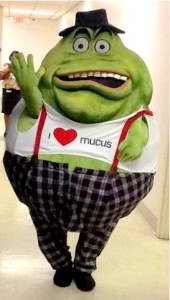
Mr. Mucus
Score one for Mr. Mucus. A new study found that the slimy spokes-character helped propel Reckitt Benckiser's family of Mucinex brands to three of the top four slots on a new list of preferred OTC cough-and-cold medicines. Treato, the online data-analysis company, created the list by analyzing findings from more than 5 million patient-written online posts and reviews...Mucinex D was No. 1, earning 4.6 (5-point satisfaction scale), followed by Delsym, which is also a Reckitt brand. Mucinex and Mucinex DM ranked Nos. 3 and 4, with Pfizer's Robitussin DM and Dimetapp brands tied at No. 5...Reckitt Benckiser's investment in DTC advertising is clearly paying off as consumers are disproportionately discussing their brands online...
- Drugmaker Settles Free Speech Dispute as FDA Agrees on Label (bloomberg.com)

U.S. regulators have backed off an attempt to limit Pacira Pharmaceuticals Inc.’s promotion of its pain drug, striking an agreement that’s likely to fan the flames of debate over free speech and drug marketing...After the drugmaker filed suit citing its constitutional rights to free speech, the Food and Drug Administration agreed to let Pacira broadly promote the medication Exparel (bupivacaine), rather than limiting its sales team to talking only about its use after bunion and hemorrhoid surgeries...The painkiller, a non-narcotic shot, hadn’t been studied for use with other surgeries, such as dental or orthopedic procedures. While its FDA-approved label notes that fact, it doesn’t explicitly say the medication can only be used for surgeries that have been studied. Pacira argued that meant it could market the treatment for broader use...FDA has faced difficulty in its efforts to police drug marketing. In August, a court ruled the agency couldn’t bar Amarin Corp. from talking to doctors about unapproved uses of its fish-oil pill. While doctors are already allowed to prescribe drugs off-label, drugmakers have been restricted on promoting such uses...Drugmakers are able to give doctors information about unapproved uses if doctors specifically request it. The Amarin ruling allows pharmaceutical companies to hand out the information more widely without a request…
- SEC, in complaint against Shkreli, alleges ‘widespread’ fraud over nearly 5 years (cnbc.com)Shkreli, CEO Reviled for Drug Price Gouging, Arrested on Securities Fraud Charges (bloomberg.com)

Martin Shkreli...was arrested by the FBI...after a federal investigation involving his former hedge fund and a pharmaceutical company he previously headed...The securities fraud probe of Shkreli, who is now chief executive officer of Turing Pharmaceuticals and KaloBios Pharmaceuticals, stems from his time as manager of hedge fund MSMB Capital Management and CEO of biopharmaceutical company Retrophin...SEC alleged that Shkreli engaged in "widespread fraudulent conduct" from at least October 2009 to March 2014... "made material misrepresentations and omissions to investors and prospective investors,"...once Shkreli took Retrophin public, he "fraudulently induced" the company to fund settlements with individuals who had claims against Shkreli from their investments in his hedge funds...
- How Practice Settings Will Be Affected by Changing Pharmacy Trends (pharmacytimes.com)
James Hoffman, PharmD, MS, FASHP, explains how pharmacy practice settings may change going forward.