
- 4 Patient Safety Initiatives Pharmacists Should Promote (pharmacytimes.com)Safe Use Initiative (fda.gov)
Pharmacists can lead by example by promoting the FDA’s patient safety initiatives in their practice settings…FDA’s Safe Use Initiative involves a series of recommendations aimed at reducing preventable harm from medication errors…Pharmacies, hospitals, and other health care entities that regularly interact with patients and their medications are among the partners that the FDA hopes to actively engage in its comprehensive initiative…Here are a few current projects in the Safe Use Initiative that pertain to pharmacists:
- Acetaminophen overuse
- Atypical antipsychotic use in pediatric populations
- Medication non-adherence
- Non-steroidal anti-inflammatory drug use in elderly patients
- Reducing LDL with PCSK9 Inhibitors — The Clinical Benefit of Lipid Drugs (nejm.org)
…Endocrinologic and Metabolic Drugs Advisory Committee of the Food and Drug Administration…met to consider marketing applications for the new molecular entities alirocumab (Praluent) and evolocumab (Repatha)on the basis of their ability to lower low-density lipoprotein cholesterol levels…These first-in-class medications are fully humanized monoclonal antibodies that inactivate proprotein convertase subtilisin–kexin type 9…consequent lowering of LDL cholesterol levels…has led to optimism regarding the potential — but as yet unproven — cardiovascular benefits…LDL cholesterol reduction as the surrogate measure of clinical benefit. No efficacy data on cardiovascular outcomes were provided…Establishing evidence of improved cardiovascular outcomes is key to evaluating medications from any new drug class intended to reduce such risk….definitive evidence of reduced cardiovascular event rates is essential…to provide such evidence should elucidate the medications' true clinical benefits and possible risks.
- 4 facts on why importing drugs is bad for patients (catalyst.phrma.org)
Ensuring patients have access to needed medicines is critical, but importing medicines, whether from Canada or elsewhere in the world, is the wrong answer…Due to the Food and Drug Administration’s comprehensive drug approval process, medicines on the U.S. market are widely regarded as the safest in the world. The U.S.’s relatively closed distribution system plays a critical role in helping to keep the global proliferation of counterfeit medicines from infiltrating the U.S. prescription medicine system…Importation is often viewed as a means to lower drug costs, but these proposals ignore key facts about how importation impacts patient safety and access to new, innovative treatments. Consider the following four facts:
- To date, not a single Secretary of the U. S. Department of Health and Human Services has been able to certify that importation will both 1) pose no additional risk to public health and safety, and 2) generate cost-savings that are passed on to American consumers.
- Foreign governments will not ensure that prescription drugs entering the U.S. from abroad are safe and effective.
- There is no guarantee any potential savings generated from the importation of medicines will be passed on to the patient.
- Counterfeiters are becoming increasingly sophisticated with their technology and pose a significant health and safety risk to patients.
- 5 tips for fighting cybercrime (healthcareitnews.com)

If you want to know how well a health system is protecting against cybercrime, you would have better luck talking to the criminals…IT executives…in the healthcare industry – aren't doing a good job keeping the enterprise up to date on cyber threats, and that those looking to steal and make a profit from health information are much more informed… five tips for fighting cybercrime:
- Network segmentation: Make sure only those who need to see sensitive information have access privileges
- Dedicated incident response team: Set up a chain of command in the event of a breach, with roles clearly defined. In short, expect a breach, and plan accordingly
- Teach with breaches: Show staff what happens when a breach occurs, reviewing how other breaches have occurred and how they could have been avoided, so they're dealing with concrete examples rather than invented scenarios
- Drill your breach response: Practice often, so staff instinctively know what to do if/when something happens
- Include partners: With reports indicating as many as one-third of all healthcare data breaches are caused by vendors, it's wise to invite them and all others to the party
- Specialty Pharmaceuticals for Hyperlipidemia — Impact on Insurance Premiums (nejm.org)
PCSK9 inhibitors…offer the promise of reductions in blood cholesterol levels…This broad indication sets the practice of cardiology on a collision course with specialty pharmaceutical pricing models…reserved for drugs that benefited relatively limited patient populations…these therapies may also lead to savings down the road, by reducing rates of cardiovascular events…There will surely be formal economic evaluations of these data, and there are long-term outcome studies under way to elucidate the potential effect of these therapies on cardiovascular event rates…it is apparent that the prices for these drugs will result in net costs to the health care system, even if they may eventually be found to offer good value for the money…expected total annual costs in the billions, it's important to ask who will bear these costs...Pricing pressure on innovative products would drive a fundamental restructuring of the industry and further increase the financial challenges of bringing scientific innovations to the market. It is important that we manage these downside risks carefully as we work toward a more sustainable pricing model in this market..
- Kentucky pharmacy PharMerica agrees to $9.25M settlement (washingtonpost.com)
..Kentucky pharmacy has agreed to pay $9.25 million to settle allegations that it solicited and received kickbacks from a manufacturer in exchange for promoting a drug with nursing home patients,… PharMerica Corp. resolves claims that it received kickbacks from Abbott Laboratories in exchange for recommending that physicians prescribe the Abbott-manufactured drug Depakote. The federal government alleged the kickbacks were disguised as rebates, educational grants and other financial support....
- Financial Capital Empowering the Business of Pharmacy (pharmacypodcast.com)

Pharmacy Podcast Show with Todd Eury
We interview pharmacy owner and operator Leonard Lynskey Chief Executive Officer of Complete Pharmacy Care. (podcast 20:52)
- Walmart plans ‘America’s biggest health fair’ (chaindrugreview.com)

…retail giant…will offer free blood glucose, blood pressure and vision screenings along with product samples and health insurance information at more than 4,400 stores nationwide on Oct. 10… "We expect to set record-breaking numbers during this single day because we will have hundreds of thousands of both screenings and immunizations,"…we believe that during this health fair more than 3,000 Americans will learn that they may have diabetes, and another 7,000 will find out that they have high blood pressure."…."This is a continuation of our commitment to helping our customers live healthier lives,"…"We have a long history of making health care more affordable and accessible…
- U.S. cancer doctors drop pricey drugs with little or no effect (reuters.com)

…oncologists, aware that patients are paying more of the costs of expensive cancer drugs, are increasingly declining to prescribe medicines that have scant or no effect, even as a last resort…At least half a dozen drugs,..aren't worth prices that can exceed $100,000 a year… If specialists do start considering a drug's cost in their prescribing habits, such decisions could dent the multibillion-dollar cancer drug business…Doctors are unimpressed with so-called "me too" drugs developed by companies looking to grab market share from a more established product. "There are drugs that don't make much sense given how much they cost, given their small benefits,"…
- CMS drops final EHR meaningful use rule (healthcareitnews.com)
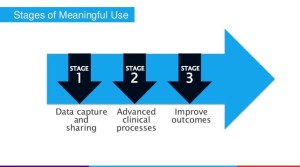
Centers for Medicare and Medicaid Services and ONC have released final rules for the EHR Incentive Programs, which they say will ease reporting requirements for providers and allow for 90-day reporting periods…also announced major news on Stage 3 of the program…CMS made some…big changes to the regulations:
- Give providers and state Medicaid agencies 27 months, until Jan. 1, 2018, to comply with the new requirements and prepare for the next set of system improvements.
- Give developers more time to create the next advancements in technology that CMS says will be easier to use and more appropriate to new models of care and access to data by consumers.
- Support provider exchange of health information and interoperable infrastructure for data exchange between providers and with patients.
- Address health information blocking and interoperability between providers.