
- Arizona Enacts Law: Pharmaceutical Companies to Legally Communicate Off-Label Treatment to Medical Professionals (policymed.com)

...pharmaceutical companies are not permitted to discuss off-label, legal, alternative uses for an approved drug with physicians and other healthcare professionals as regulated by the FDA. However, a bill in Arizona, HB 2382 that passed unanimously (The Free Speech in Medicine Act) has changed that...Governor Doug Ducey signed the bill into law, lifting the aforementioned off-label promotion restriction and allowing drug companies to communicate with doctors and other healthcare providers about safe and effective alternative uses for approved prescription drugs...The law...safeguards the free speech rights of pharmaceutical industry members to share truthful research and information about FDA-approved medicines...HB 2382...only protects the sharing of information that is "not misleading, not contrary to fact, and consistent with generally accepted scientific principles;" and it only applies to communication between pharmaceutical manufacturers and licensed healthcare professionals. The bill does not permit pharmaceutical manufacturers to advertise off-label uses directly to the public...Since Arizona enacted this protection for industry, it is likely to expand options in doctors’ toolkits, enhance patient autonomy, and increase access to healthcare. It will be interesting to see if any other states will follow suit and implement similar laws...
- Pharmacy Week in Review: March 31, 2017 (pharmacytimes.com)

Brielle Urciuoli, PTNN. This weekly video program provides our readers with an in-depth review of the latest news, product approvals, FDA rulings and more.
- Ohio Limits Opioid Prescriptions to Just Seven Days (msn.com)

The Ohio governor unveiled a plan...that targets the place where experts say many opioid addictions begin — the doctor's office...Gov. John Kasich's order limits the amount of opiates primary care physicians and dentists can prescribe to no more than seven days for adults and five days for minors...In addition to the pill limits, Kasich said the new rules require doctors to provide a specific diagnosis and procedure code for every painkiller prescription they write...And Kasich warned that doctors who don't follow the rules will lose their licenses...The new limits, which have gotten the blessing of the Ohio Board of Pharmacy, the State Medical Board, and the state's dental and nursing boards, do not apply to patients who take prescription painkillers for cancer treatment or to dying patients who are already receiving hospice care...As bad as things are in Ohio, it's ever worse in West Virginia, New Hampshire and Kentucky, which have even higher drug overdose death rates, according to the federal Centers for Disease Control and Prevention...Americans get hooked on locally prescribed painkillers, lawmakers say the drug cartels have made a mint feeding their habits by smuggling Chinese-made fentanyl and other opioids into the country
- Physician And Medical Assistant Convicted Of Conspiracy To Distribute Large Quantities Of Oxycodone For Non-Medical Necessity (justice.gov)Las Vegas pharmacist testifies at his federal drug trial (reviewjournal.com)

Dr. Henri Wetselaar, MD, 93, and David A. Litwin, 58, were found guilty of conspiracy to distribute and distribution of oxycodone and other controlled substances, announced Acting U.S. Attorney Steven W. Myhre for the District of Nevada…Wetselaar was a Nevada physician practicing as a specialist in pain management. Litwin was...his medical assistant...(they) conspired with each other and local drug dealers to distribute the prescription drugs in and around Las Vegas. Wetselaar prescribed large amounts of...oxycodone, hydrocodone, Xanax and Soma, to persons for no legitimate medical purpose...Wetselaar and Litwin were found guilty of conspiracy to distribute controlled substances,...distribution of controlled substances,...money laundering and structuring of money transactions.
- 5 Takeaways From the AMCP Annual Meeting (ajmc.com)
At the Academy of Managed Care Pharmacy Annual Meeting, held March 27-30...in Denver...the cost of healthcare was on everyone’s minds and was a common thread in most sessions...Here are 5 key takeaways from the meeting.
- Value frameworks were on people’s minds...AMCP sees value frameworks as a tool that can help with the formulary decision making process…
- They are increasingly being used by payers...a survey of payers from the beginning of 2016 found that 26% were currently using value frameworks and an additional 22% planned to use them in the next 12 months. Only 19% had no plans to use value frameworks…
- Frameworks are just 1 solution centering on value…the National Pharmaceutical Council, outlined 3 other solutions that center around value. These include value-based insurance design, value-based contracting, and financing...
- Change is coming to healthcare...L.E.K. Consulting, followed the money in healthcare and came to the conclusion that healthcare is an unsustainably big business, which necessitates change.
- Obamacare repeal isn’t the only legislation to watch...Republicans may not have gotten the American Health Care Act, which would repeal and replace the Affordable Care Act, through the House of Representatives, but there could be future efforts to bring the legislation back in another form…
- Trump FDA Nominee Wants Lower Drug Costs With More Generics (bloomberg.com)Trump selects Scott Gottlieb as FDA nominee (cnn.com)

Dr. Scott Gottlieb
President Donald Trump’s pick to head the U.S. Food and Drug Administration is among the most vigorous advocates of lowering drug costs by approving cheap generics faster, an initiative aimed directly at the profit centers of major companies...Scott Gottlieb, a former FDA deputy commissioner, would make streamlining approvals his top priority...He’s particularly focused on complex medications that combine old drugs with newer delivery devices, as well as those with unusually complicated formulations...The administration could make the changes without Congress passing a law...But it also risks angering companies that have considerable legal firepower to defend their money-makers...Getting more generics to market faster could save Americans billions of dollars a year...Absent a new law, the FDA could do much to speed approval of generics. It could devise broad guidelines for copies. And the agency could become swifter in approving drug-device combos, finding ways to allow slight differences so long as they wouldn’t confuse patients...
- President’s Pledge
- Complicated Cures
- Pricey Pens
- EpiPen Dispute
- Bill proposes Nevada small businesses offer paid sick leave (reviewjournal.com)
Businesses with 50 or more employees would have to provide paid sick leave under a bill heard...by the Senate Committee on Commerce, Labor and Energy...Under Senate Bill 196 sponsored by Democratic Majority Leader Aaron Ford of Las Vegas, workers would earn one hour of paid leave for every 30 hours worked, and could access the benefit after being on the job 90 days...An employer could limit accrual to 48 hours per year, and cap usage at 24 hours per year. The time could also be used to care for a child, a relative or attend medical appointments...There are exceptions for temporary employees, construction workers, and employees covered under bargaining agreements. It also exempts religious organizations, nonprofits and private membership clubs from compliance...The bill was opposed by the Las Vegas Metro, Henderson and Reno-Sparks chambers of commerce, who complained the requirement would be onerous for small businesses and lead to increased costs and paperwork...Paul Moradkhan of the Las Vegas Metro Chamber of Commerce said many members already offer paid leave and they worry about the “cumulative effect” of bills being considered in the Legislature will have on their businesses.
- This Week in Managed Care: March 31, 2017 (ajmc.com)
Brielle Urciuoli, Welcome to This Week in Managed Care from the Managed Markets News Network.
- FDA approvals for specialty drugs to pick up in 2017 (managedhealthcareexecutive.modernmedicine.com)

The specialty drugs market is seeing increased competition and important advances in cancer and orphan drug development, including specialty generics and biosimilars...Following December’s FDA approvals of the intravenous biosimilar Lartuvo (olaratumab) for soft tissue sarcomas and the oral ovarian cancer biosimilar Rubraca (rucaparib), biosimilar and other specialty drug approvals are expected to hasten in 2017... Last year we saw a dip in...approvals but this year we are going to rebound with about 30 pending approvals...With 73 patent expirations for biologic agents by 2021, biosimilars will begin to emerge as a larger market presence in the next several years...New FDA biosimilars approvals over the next five years—including anticipated biosimilar approvals for the anti-cancer biologic agents Avastin (bevacizumab) and Herceptin (trastuzumab)—could represent a $46.2 billion market...Biologics are really acting more like competing brands, coming in at perhaps a 15% discount" compared to brand-name biologics...
- Pending approvals/patent expirations
- Recently approved specialty medications
- Specialty drug pipeline
- Senate probe keeps heat on J&J, Mylan, Depomed and others for their opioid marketing (fiercepharma.com)
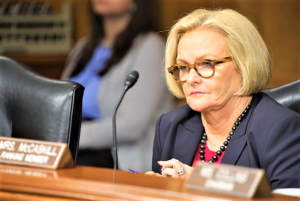
Opioid makers have had no shortage of critics in recent years as the United States suffers the sting of a painful addiction epidemic. Now, a top senate Democrat is throwing the weight of her office behind efforts to dig into the industry’s marketing practices for the risky painkillers...Sen. Claire McCaskill is targeting Johnson & Johnson, Mylan, Depomed, Insys and Purdue in her investigation, which is aimed at learning whether the companies had any role in the country’s "overutilization and overprescription" of the meds...Among the documents she’s requesting are internal opioid abuse estimates, info on marketing strategies, sales quotas and contributions to patient groups...McCaskill laid out evidence that suggests drug companies sought to downplay the risks of the painkillers and positively influence physicians’ perceptions of the meds. She wrote that the allegations "show an industry apparently focused not on preventing abuse but on fostering addiction as a central component of its business model."