
- 9 Drugs That Cost Medicare a Fortune (fool.com)
...Medicare is in trouble...The program -- designed to protect our nation's senior citizens by covering some of the eligible costs tied to their hospitalization and outpatient care -- is on an unsustainable course...the Hospital Insurance Trust Fund stands just an estimated 14 years away from burning through its excess cash reserves...2030 would be the year Medicare's HI Trust exhausts its cash reserves...Once the cash reserves...are exhausted, hospitals would only be reimbursed at a rate commensurate to what the program brings in via payroll tax revenue...Medicare's prescription drug problem...prescription drug costs that Medicare Part B covers...include injections given on an outpatient basis by a physician...the real culprits the GAO report identified for rising Medicare Part B expenses are new Part B prescription drugs...between 2007 and 2013, new prescription drug introductions...83 in total, added $5.4 billion in costs to Part B...almost two-thirds of Part B new drug treatments are for ophthalmologic or cancer-based diseases...these are not inexpensive indications...Nine drugs wreaking havoc on Medicare's bottom line (total expenditures in 2013)...
- Lucentis: $1.37 billion
- Eylea: $1.09 billion
- Prolia: $665 million
- Treanda: $332 million
- Lexiscan: $257 million
- Yervoy: $224 million
- Privigen: $184 million
- Provenge: $183 million
- Soliris: $150 million
- Drug price cuts in Japan sink in though details sparse (fiercepharmaasia.com)

Domestic and foreign drugmakers in Japan may cut spending on R&D as the scope of mandated price cuts for reimbursed products kicks in--suggesting that future investments are at stake...Pfizer and Eli Lilly have raised the issue as a combination of price reviews for pharmaceuticals hits in one of the top 5 reimbursement markets globally...Without stability and predictability in drug prices, investments will go elsewhere...cost cuts raise the risk of less investment in Japan...Reimbursement in Japan was a double-whammy this fiscal year that started April 1 for many drug firms, with price cuts for widely prescribed drugs by Japan's Central Social Insurance Medical Council, known as Chuikyo, reaching as much as 50 percent...Under the formula, drugs with annual Japan sales of more than ¥150 billion ($1.8 billion) and that see sharp sales gains can face cuts...On top of that, the every-other-year price-cut exercise by the government at the same time aims for savings of $1.5 billion. The exact revenue losses for companies won't likely be known until second-quarter results are released--although several companies flagged the issue in fourth-quarter earnings calls... Japan's Ministry of Finance has suggested the price cuts need to be every year as healthcare costs balloon along with a rapidly aging society that requires increasingly expensive care...
- Pharmacy on demand New, portable system can be configured to produce different drugs. (news.mit.edu)
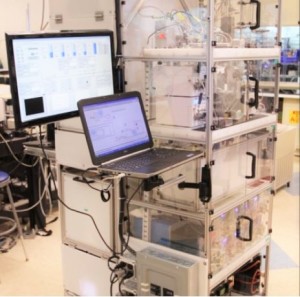
MIT researchers have developed a compact, portable pharmaceutical manufacturing system that can be reconfigured to produce a variety of drugs on demand...Just as an emergency generator supplies electricity to handle a power outage, this system could be rapidly deployed to produce drugs needed to handle an unexpected disease outbreak, or to prevent a drug shortage caused by a manufacturing plant shutdown...Think of this as the emergency backup for pharmaceutical manufacturing...The purpose is not to replace traditional manufacturing; it’s to provide an alternative for these special situations...The goal of this project was to build a small-scale, portable unit that was completely integrated, so you could imagine being able to ship it anywhere. And as long as you had the right chemicals, you could make pharmaceuticals...system can produce four drugs formulated as solutions or suspensions — Benadryl, lidocaine, Valium, and Prozac. Using this apparatus, the researchers can manufacture about 1,000 doses of a given drug in 24 hours...researchers are now working on the second phase of the project, which includes making the system about 40 percent smaller and producing drugs whose chemical syntheses are more complex. They are also working on producing tablets, which are more complicated to manufacture than liquid drugs.
- Safety issues at compounding pharmacy underscore oversight problems (statnews.com)

A tussle between a Texas compounder and the Food and Drug Administration underscores the ongoing difficulties that regulators can have overseeing this controversial portion of the medical supply chain...The episode also illustrates how varying approaches taken by state and federal authorities to regulating compounding pharmacies can leave doctors and patients confused about the safety of medicines...the FDA issued a health alert recommending that doctors and patients should toss sterile medicines made by IV Specialty. The agency found numerous safety issues during an inspection...the compounder refused an agency recommendation to halt production or issue a recall until the problems were fixed...The FDA...lacks authority to force the compounder to take these steps...In response to the FDA actions, the state agency (Texas State Board of Pharmacy) sent its own inspector to review IV Specialty facilities...According to our rules, they’re doing what they need to do. We didn’t see anything that we felt would prompt us to immediately close them down...state regulations are not as stringent as FDA regulations..."We’re still in the early stages of figuring out how state and federal regulation schemes are going to work," said Elizabeth Jungman, director of public health programs at Pew Charitable Trusts, which tracks compounding issues. "So it’s confusing for patients and physicians to see disagreement between regulators at state and federal levels."
- Medicare Plan on Payment for Cancer Drugs Stirs Battle (dddmag.com)

A Medicare proposal to test new ways of paying for chemotherapy and other drugs given in a doctor's office has sparked a furious battle, and cancer doctors are demanding that the Obama administration scrap the experiment...At issue are some of the most expensive drugs for treating life-changing diseases...Medicare now pays doctors and hospital outpatient clinics the average sales price of a drug, plus a 6 percent add-on, somewhat reduced by federal budget cuts. Naturally, 6 percent of a $15,000 drug is more than 6 percent of a $3,000 drug. But does that influence doctors' decisions, raising costs for the government as well as those on Medicare?... The new formula...combines a 2.5 percent add-on with a flat fee for each day the drug is administered...The experiment could become permanent policy if it lowers costs while maintaining quality...Specialist doctors, drugmakers and some patient advocacy groups are trying to compel Medicare to drop the plan. Primary care doctors, consumer groups representing older people, and some economic experts want the experiment to move ahead...Opponents say if that happens, cancer patients will be forced to go to outpatient hospital clinics instead of their local cancer doctor for the latest and most effective drugs. That's because smaller, doctor-owned clinics may no longer be able to afford the upfront costs of cutting-edge medications. In rural areas, patients may have to travel long distances to get to a hospital clinic...
- Colorado lawmaker aims to outlaw pot-laced gummy bears (reuters.com)

A Colorado lawmaker (Dan Pabon) is trying to outlaw marijuana-laced gummy candies that resemble children's treats, the latest effort...to address the complexities and unintended consequences of pot legalization...In 2014 Colorado became the first state to allow the sale of marijuana for recreational use, and it has grown to be a billion dollar industry in the state...there are no distinguishing characteristics between the gummy bear that contains marijuana and one that does not...Numerous children in Colorado were hospitalized after becoming critically ill as a result of ingesting edible marijuana products after pot became legal...
- GAO finds security flaws in Obamacare exchanges in California, Kentucky, Vermont (healthcareitnews.com)

Government Accountability Office discovered vulnerabilities in three states and said that other state-run health insurance exchanges may be at risk too...Obamacare health insurance websites in California, Kentucky and Vermont have serious cybersecurity flaws that could result in hackers obtaining personal data from hundreds of thousands of people...One state didn't encrypt passwords, GAO officials said. Another state didn't properly use a filter to block hostile attempts to the site. And the other state didn't use proper encryption - leaving a door for hackers to gain entry...Officials from both California and Kentucky told the AP there was no evidence hackers had stolen anything, while Vermont officials declined to comment on the findings...
- CRISPR Dispute Raises Bigger Patent Issues That We’re Not Talking About (realclearhealth.com)
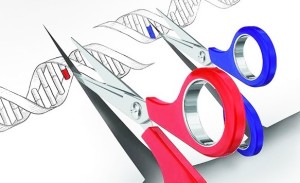
The worlds of science, technology and patent law eagerly await the...government’s decision on who deserves patents on what many have referred to as the biotechnology invention of the century: the CRISPR/Cas9 gene-editing technique...Scientists hail CRISPR/Cas9 as more accurate and efficient than other, now-traditional genetic engineering methods...CRISPR has generated worldwide debate about how it could accelerate the manipulation of plants, animals and even human beings at the molecular level. That some DNA modifications can be passed on to future generations raises particular concern...But the patent dispute, focusing on whether scientists at the Broad Institute of MIT and Harvard or those at University of California, Berkeley invented the technology, seems far from these ethical concerns...the...Patent and Trademark Office, which will make a decision in the next few months...But amid all the breathless anticipation, we’ve been ignoring two important lessons from the CRISPR/Cas9 patent dispute: patent systems no longer fit the realities of how science works, and patents give their owners significant control over the fate and shape of technologies.
- Do we need patents to stimulate innovation?
- Power of patents, in absence of regulations
- CRISPR’s future use in one institution’s hands
- Valeant CEO Pearson May Be Held in Contempt by Senate Panel (bloomberg.com)Valeant asks CEO Pearson to cooperate with U.S. Senate committee (reuters.com)
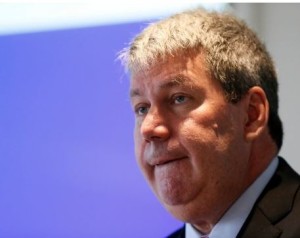
A Senate committee may start contempt proceedings against Michael Pearson, chief executive officer of Valeant Pharmaceuticals International Inc., for failing to appear to give testimony related to an investigation on drug pricing...Michael Pearson was under subpoena to appear for a deposition today related to the Senate Special Committee on Aging’s drug pricing investigation, and he did not comply with that subpoena...It is our intent to initiate contempt proceedings against Mr. Pearson...a lawyer representing Pearson said the executive will appear at the hearing but that the deposition subpoena was unfair in both timing and scope...Pearson shouldn’t be expected to give sworn testimony if the committee hasn’t been clear about what topics and documents he’ll be questioned about...Mr. Pearson looks forward to testifying publicly at the committee’s hearing on April 27, but has informed the company and the committee that he does not intend to also appear for private testimony in advance of the hearing...
- FDA to revoke pig drug approval over human cancer risk concern (reuters.com)
Food and Drug Administration...moved to revoke approval of a drug used to treat certain conditions in pigs because it could leave a cancerous residue that may affect human health...The drug, carbadox, is made by Teaneck, New Jersey-based Phibro Animal Health and is used to control swine dysentery and bacterial enteritis...It has also been used to promote weight gain in pigs...Potential cancer risks are based on an assumed lifetime of consuming pork liver or other pork products containing carbadox residues...adding that it is not recommending that people change their food choices while it works to remove the drug from the market...The FDA said it asked Phibro for additional information about the safety of carbadox but the company has not submitted any proof that there is a safe way to use it...Three antibiotics made by Phibro contain the drug: Mecadox Premix 10, Banminth/Mecadox; and Mecadox/Terramycin...