
- Pharmacy Week in Review: April 8, 2016 (pharmacytimes.com)
Mike Glaicar, Business Development: Pharmacy Times...(PTNN) This weekly video program provides our readers with an in-depth review of the latest news, product approvals, FDA rulings and more.
- Abandoned Pfizer deal leaves all sides tainted (blogs.reuters.com)Investors stick with Pfizer CEO after Allergan deal scrapped (reuters.com)Treasury Is Wrong About Our Merger and Growth (wsj.com)

Pfizer Chief Executive Ian Read
Pfizer’s abandoned deal leaves all sides tainted. The U.S. Treasury looks bad for changing the rules on Monday to kill the $160 billion merger with Allergan. Lawmakers’ inaction encouraged such tax-driven transactions. But Pfizer and Chief Executive Ian Read bear the most responsibility for wasting time and resources pushing an overpriced, risky deal...Monday’s new standards directly target Pfizer’s deal, as they disregard U.S. assets acquired in the past three years. That eliminates Allergan and its low Irish tax rate as a target. It’s unclear if the Treasury Department has overstepped its authority. But purposefully and rapidly mutating laws, especially when applied retroactively, are bad for business and legal authority...Lawmakers emerge covered in tar, too. They could have stopped inversions cold by adopting a territorial tax system. This would have stopped U.S. companies having to pay an extra levy to Uncle Sam on cash earned overseas if local taxes are lower than the U.S. statutory rate. Their fecklessness encouraged Pfizer and other firms to pursue complicated deals where the main payoff is tax avoidance...
- Pfizer Vs. Obama: The Treasury Tries To Stop Pharma’s Tax Dodge (forbes.com)Allergan down over 20% after Treasury inversion rule (cnbc.com)Don’t Try to Leave (blogs.sciencemag.org)Would Pfizer And AstraZeneca Both Revisit That $100 Billion Deal? (forbes.com)
Most experts in corporate taxes thought there was little President Barack Obama could do to force Pfizer, the largest drug company in the U.S., from moving its corporate address to Dublin, Ireland, in order to escape paying American taxes...Yesterday evening, Jack Lew, Obama’s secretary of the treasury, called Pfizer’s bluff, instituting new rules to make the move as difficult as possible. The punch hit, and investors are reeling...Now the move could intensify an election-year battle over what it means for companies to be American, and the fairness of the U.S. corporate tax code...Lew is peeling the Allergan onion. Until last year, the company called Allergan...was based–and paid taxes–in Irvine, Calif. Then it was bought by Actavis , a Dublin, Ireland-based drug maker...But wait! Actavis itself was built by a rapid succession of deals, starting when Watson Pharmaceuticals...bought Actavis...partly in order to move its tax domicile to Dublin, Ireland. Now, for the purposes of laws related to the Pfizer deal, the Treasury says many of those other deals don’t count...the Treasury’s new rules reek of overreach. Really? We’re going to redefine what counts as a share of a company as a regulatory action, so that we can make the law mean what we want it to?...Pfizer is going to have to be just as clever as the Treasury is here, and then some...expect a fight: Pfizer versus the Obama administration.
- FDA proposes biosimilar labeling that favors generic drug makers (statnews.com) Labeling for Biosimilar Products - Guidance for Industry (fda.gov)

In a closely watched move, the Food and Drug Administration...released draft guidelines for labeling that should appear on biosimilars...the directive is likely to give a lift to generic drug makers as they battle their brand-name rivals in this nascent but important market...The battle over labeling is significant because this information is used by physicians to determine which medicine — the original biologic or the newer biosimilar — to prescribe to patients...the FDA rejected the argument made by brand-name companies that clinical trial data used to prove a drug is a biosimilar should appear on the product labeling. Brand-name companies believe the data should be included in order to distinguish the medicines...Instead, the agency proposed using the same information found on the brand-name label along with a simple statement indicating the biosimilar is similar...The issue is "a debate with far-reaching implications,"..."The content of the biosimilar label was argued as critical" for how companies position their different medicines. But in its guidance...the FDA "struck a clear position" for labeling that resembles the requirements found on generic drugs...
- Nevada State Board of Pharmacy April Newsletter (bop.nv.gov)
- Darla Zarley Appointed to Board
- Does That DEA Number Really Match?
- FDA Approves Naloxone Nasal Spray to Prevent Opioid Overdose Deaths
- Selected Medication Safety Risks to Manage in 2016: 1) Patient Information – Placing Orders on the Wrong Patient’s Electronic Health Record; 2) Communication About Drug Therapy – Confusing the Available Concentration as the Patient’s
- Dose on Electronic Records
- FDA Provides Training Videos on MedWatch Resources and Breakthrough Therapy
- Reading Medicine Labels Helps Reduce Acetaminophen Overdoses
- Over-the-Counter Children’s Medicine
- Recalled Due to Incorrect Dose Markings
- FDA Offers Webinars on Online Drug Information Resources for Students and Clinicians
- Eye-Opening NTSB Analysis
- Drug dosing goes digital with software to personalize medication (statnews.com)Individualizing liver transplant immunosuppression using a phenotypic personalized medicine platform (stm.sciencemag.org)
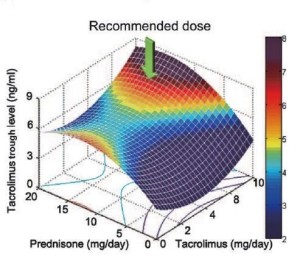
A new algorithm may take the guesswork out of medicating patients with cancer, bacterial infections, organ transplants, and other conditions that require very precise drug dosing...Individual differences can alter patient response to medications...Metabolism, body type, ethnicity, other illnesses, and genetics can play a role in how patients respond to drug treatment...The researchers call their method parabolic personalized dosing, or PPD. They gave patients medication and then observed the dosages which brought positive responses...the dosage could be reduced or increased based on how much medication was in the patient’s blood, with the successful doses added to the parabola. The researchers called the parabola "a robust map that identifies drug doses (inputs) that ensure that a patient will stay in a target range."...Establishing a patient’s parabola still requires administering drugs and then observing the response, something doctors already do. "This allows us to make a better guess,"...In the age of big data, algorithms could play a helpful role in integrating a lot of patient information to make dosing decisions.
- Florida joins nine states in restricting DXM access to adults (drugstorenews.com)

Florida recently became the 10th state to restrict the sale of cough medicines containing dextromethorphan to adults over the age of 18, a move lauded by industry...a law addressing the issue of cough medicine abuse among teens...limiting teen access to DXM is an effective way to prevent abuse. We are assured that this legislation will empower parents to prevent abuse among their children, while continuing to ensure access for the millions of families who responsibly use products containing DXM to treat common cough symptoms...
- Results of world’s first study on new treatment for heroin addiction (worldpharmanews.com)Hydromorphone Compared With Diacetylmorphine for Long-term Opioid DependenceA Randomized Clinical Trial (archpsyc.jamanetwork.com)Meeting the Growing Need for Heroin Addiction Treatment (archpsyc.jamanetwork.com)
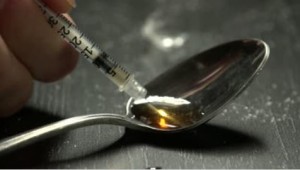
The results of the ground-breaking SALOME (Study to Assess Longer-term Opioid Medication Effectiveness) research, published in the Journal of the American Medical Association Psychiatry, show chronic heroin addiction now has another effective treatment tool – hyrdomorphone...(The study) found hydromorphone to be as effective as diacetylmorphine (pharmaceutical-grade prescription heroin) for people who have not benefited from previous treatments, such as methadone or suboxone...Key findings of the research include:
- Injectable hydromorphone is as effective as injectable diacetylmorphine for long-term street opioid users not currently benefitting from available treatments
- Study participants on both medications reported far fewer days of street-heroin and other opioid use at six months
- Participants also reported a significant reduction in days of illegal activities
- Almost 80% were retained in treatment at six months.
- Hydromorphone and diacetylmorphine are both safe when taken in a clinical setting.
- Pfizer, Allergan scrap $160 billion deal after U.S. tax rule change (reuters.com)Allergan CEO: Merger with Pfizer was targeted by US government (cnbc.com)After failed Allergan merger, Pfizer once again considers splitting up the company (statnews.com)The big winners and losers of the Pfizer-Allergan breakup (statnews.com)Don't worry, Pfizer and Allergan. Treasury just did you a favor (fiercepharma.com)
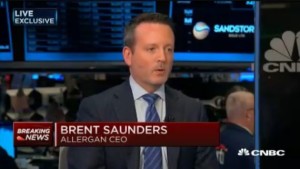
Pfizer Inc and Allergan Plc walked away from their $160 billion merger on Wednesday, a major win for President Barack Obama, who has been pushing to curb deals in which companies move overseas to cut taxes...Pfizer said the decision was driven by new U.S. Treasury rules aimed at such deals, called inversions. The merger would have allowed New York-based Pfizer to cut its tax bill by an estimated $1 billion annually by domiciling in Ireland, where tax rates are lower…Allergan Chief Executive Brent Saunders said...that the new Treasury rule would not stop the company from doing other stock-based acquisitions as soon as this fall...It really looked like they did a very fine job at constructing a temporary rule to stop this deal and obviously it was successful…
- Pharmaceutical industry is lobbying hard against an L.A. County drug take-back proposal (latimes.com)Got Drugs - Turn in your unused or expired medication for safe disposal Saturday, April 30 (deadiversion.usdoj.gov)
Drug manufacturers have mounted a vigorous lobbying campaign against the county proposal, which would require pharmaceutical companies to finance a disposal program for unused medications and syringes...Proponents say the program would reduce chemicals ending up in the water supply, and would help curb prescription drug abuse by making sure that unused drugs are safely disposed of rather than stockpiled in medicine cabinets...The opponents say it would be costly and have little effect on the problem. They argue that the better solution would be to educate consumers about how to properly dispose of their unused medications...The county has about 20 collection sites run by the Sheriff's Department, and some pharmacies have voluntary take-back programs...But officials said there aren't enough available sites for the county's 10 million residents. They want the pharmaceutical industry to finance the creation of a larger network...pharmaceutical industry groups spent nearly $250,000 lobbying the county...Supervisors' offices received dozens of letters and phone calls from consumers worried that the measure would push up the cost of their medication...Consumer Healthcare Products Assn. said in a statement that the county proposal would create "an expensive, inefficient, unworkable and ineffective program that would garner low levels of participation and do little to accomplish the goals the county is seeking to resolve."